Get Full Government Meeting Transcripts, Videos, & Alerts Forever!
Get email alerts on the Transit Services topic
No spam. Unsubscribe anytime.
Rural transit trips rise; county agency reports blended-vehicle accounting, triennial review and Title VI update
Summary
Area 10 Agency on Aging reported rising demand in 2024 for rural transit across the four-county service area, described a blended-trip accounting approach with INDOT, said the agency passed its triennial review and updated its Title VI materials after Spanish-language population increases.
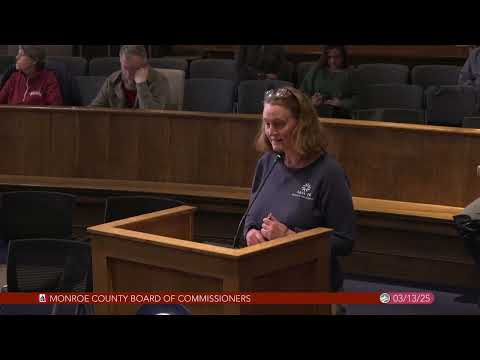
MONROE COUNTY, Ind. — Chris Myers of the Area 10 Agency on Aging gave the Monroe County Board of Commissioners an update on rural transit operations on March 13, 2025, reporting increased trips in 2024 and operational adjustments tied to funding rules.
Myers said the 53-11 rural transit program logged just over 45,000 trips in 2024 across a four-county service area; Monroe County accounted for 18,633 of those trips (about 42%). The urban service area recorded an additional 6,090 trips for the calendar year. The agency said total rural trips increased by just over 5% from the year before.
Myers explained that late approval from INDOT and its consultant last year required the agency to develop a blended-trip accounting method allowing purchased 53-11 vehicles and electric vehicles to be used for both rural and urban trips. County staff said the blended accounting creates a monthly net charge that is allocated between programs; in January 2025 that net vehicle-use charge was about $1,100 and may increase per-trip costs for the urban program.
The agency reported a successful triennial NDOT/INDOT review in December, with staff noting compliance in roughly 15 major areas including Title VI requirements. Myers said the Title VI plan was updated and posted publicly after a rise in the county99s Spanish-speaking population triggered safe-harbor thresholds, and the agency has added Spanish-language documents in addition to other languages.
Commissioners thanked staff for the work and asked that transit data remain clearly separated between rural and urban service areas when reported.