Lifetime Citizen Portal Access — AI Briefings, Alerts & Unlimited Follows
Glendora youth leagues report rising enrollment, press city on field upkeep and access
Loading...
Summary
Leaders of Glendora’s youth leagues reported rising registrations and urged the city to address field maintenance, fencing and spectator access issues at the Community Services Commission meeting.
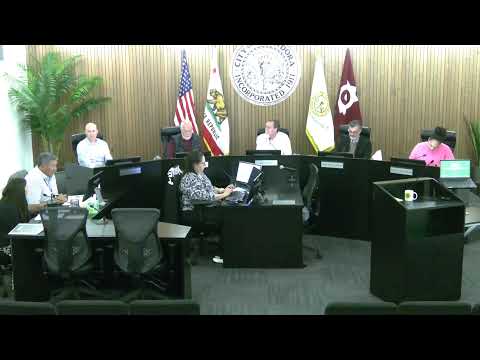
Leaders of Glendora’s three community-run youth baseball and softball leagues told the Community Services Commission that registrations have risen sharply this year, while field maintenance, fencing and spectator accessibility remain pressing concerns.
Glendora National Little League president Jason Miltenberger told commissioners the league’s spring roster reached 319 players this year. Miltenberger said the league charges registration fees that cover umpire and equipment costs and that the city separately collects a per-player maintenance fee. He said two offseason priorities are leveling and resodding infields and replacing worn perimeter fences around Sandburg fields. “My main goal here is community,” Miltenberger said. “Bringing the community together…that’s my big thing.” He also told the commission the league has discussed buying an electric vehicle to shuttle older or mobility-impaired spectators from parking areas to the hilltop fields; Miltenberger said such a vehicle would cost “$5,000 or less,” and raised questions about on‑site storage, insurance and red tape.
Matt Balinski, president of Glendora Lassie League, reported a jump to 498 registrants this spring from 374 last year and said the board now manages 44 teams across five age divisions. Balinski outlined the league’s budgetary picture: a $275 registration fee per player plus a separately itemized $50 city fee; roughly $20,000 in snack‑bar revenue; major expenses including umpires (about $22,000) and uniforms (about $25,000); and recent capital expenditures — roughly $12,000 for new backstops, $10,000 for higher‑grade pitching mats and about $8,500 to buy new catchers’ gear for every team. Balinski described the league’s Victory Program for developmentally disabled players (about 40 players), and partnerships with Azusa Pacific University for clinics and a team “Adopt a Cougar” program. He said the league will host the Pride of the Foothills tournament May 30–June 1; he reported about 80 teams already registered and estimated the tournament generates significant local economic activity.
Janelle Somthion, speaking for Glendora American Little League, said her league has about 420 players and emphasized fundraising and volunteer provisions. Somthion described an included $100 fundraising card program that many families embraced this year, a refundable snack‑bar deposit tied to volunteer shifts, and a policy the league uses to refund families that have multiple children and fulfill volunteer duties. She also raised persistent concerns about field trash, restroom supplies and unclear responsibilities under the new Memorandum of Understanding (MOU) between the city and youth groups. “If somebody can’t play, we are never gonna turn away a player that can’t pay for it, period,” Somthion said, describing the league’s scholarship and payment‑plan practices.
Commissioners and league leaders discussed three recurring themes: (1) field maintenance and capital repairs — leveling, infield sod, and fences that volunteers and league boards have asked the city to assess; (2) operational costs — umpires, uniforms and pitching mats are cited as major line items that drive registration prices; and (3) spectator access — several presenters described elderly and mobility‑impaired family members who cannot easily reach Sandburg/Pompeii hilltop fields. Leagues proposed options ranging from a league‑owned shuttle vehicle to coordinated volunteer shuttles; presenters flagged insurance, storage and approval questions that require city and school‑district review.
The commission heard requests for clearer signage, more consistent trash/restroom servicing and discussions about whether the city or leagues pay for particular maintenance tasks under existing MOUs or school‑district policies. Commissioners encouraged the leagues to bring formal cost estimates for fence and field repairs and asked staff to review the MOU language governing site maintenance and access for disabled patrons.
Ending: League leaders emphasized that the leagues rely heavily on volunteers and community sponsorships, and that rising enrollment creates both opportunities and new strain on field capacity and volunteer rosters. Commissioners said they will follow up with staff on MOU responsibilities, potential funding partners and whether a foundation or donor could help underwrite accessibility equipment such as a league shuttle vehicle.