
DPW warns of vehicle, landfill and solid-waste cost pressures; flags electric-truck and charging costs
Get AI-powered insights, summaries, and transcripts
Subscribe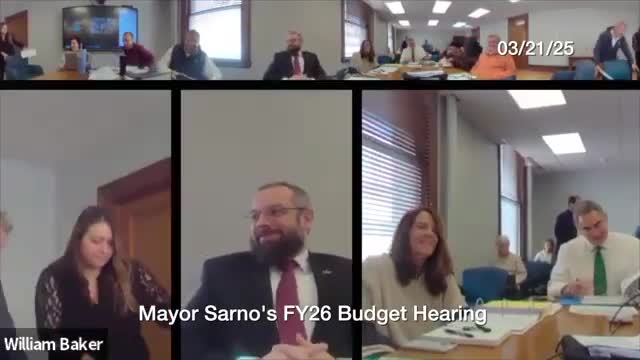
Summary
Director Chris Sigoli told the hearing DPW faces aging vehicles, rising disposal costs and future regulatory pressure pushing toward electric trucks. He described the city's solid-waste enterprise fund, current tipping fees and trade-offs if staffing or services are reduced.
Director Chris Sigoli presented the Department of Public Works FY26 request and described operational pressures in fleet, solid waste and sidewalk/street maintenance.
Sigoli said DPW is managing a smaller fleet than earlier eras and that vehicle lead times and parts delays are increasing downtime. He noted that trash collection trucks currently cost roughly $420,000 each and said an electric alternative could reach about $1,000,000 per truck when combined with required charging infrastructure; he estimated charging infrastructure for the fleet could cost roughly $2,000,000 to $2,000,000 to set up, and noted multi-year lead times for electric trucks.
On disposal costs, the DPW presentation included a tipping-fee figure used in departmental planning. Sigoli described current per-ton charges and the city's annual tonnage profile and warned that landfill availability is finite; he said the city's landfill capacity may be limited in four to six years and that disposal markets and contract terms will affect long-term cost projections.
DPW also described neighborhood street and sidewalk work, a nearly $900,000 sidewalk program and about $2.2 million for the city's street-maintenance division (personnel and operating). The department said it uses interns successfully and is renegotiating a range of contracts (mattress, e-waste, bulk recycling) and will update the one-call excavation manual and fee schedules this year.
Why it matters: DPW operations are cost- and capital-intensive. Aging vehicles, high replacement costs and evolving state requirements for electric vehicles could materially increase the city's capital needs and operating costs.
Attribution: details above are drawn from remarks by DPW Director Chris Sigoli during the FY26 hearing. Where transcript numeric phrasing was unclear, the article reports the department's stated estimates and notes they require confirmation.