Get Full Government Meeting Transcripts, Videos, & Alerts Forever!
Get email alerts on the School Food Services topic
No spam. Unsubscribe anytime.
Bethlehem Central food service projects shortfall, outlines green initiatives and menu changes
Summary
Food service director Claire Gardine reported increased breakfast participation, expanded local-food initiatives and a projected operating shortfall that would require a general‑fund subsidy unless state or federal changes occur. She recommended pricing, menu and staffing reviews and described several sustainability and equity efforts.
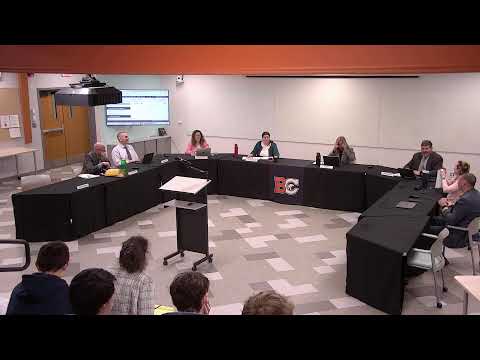
Claire Gardine, food service director for the Bethlehem Central School District, told the Board of Education on March 19 that the district’s school meal program has expanded local‑food and sustainability efforts while projecting an operating shortfall for the year.
Gardine said the cafeterias are operating as an internal business within the district and are funded by federal and state meal reimbursements and cash sales. “The cafeteria operates as its own business within the school district, so the goal is that it is self sufficient,” she said.
Gardine highlighted green initiatives that are already in place: district kitchens are composting food prep scraps (picked up by Compost360), the district used produce from its school gardens for grades 6–12 this year, and the food service secured a Local Food for Schools grant of about $35,000 to buy local products such as beef from Kilcoyne, cheese from the Argyle Cheese Farmer and maple syrup from Mountain Wind Farms in Bern. She said the district plans to expand garden produce use to K–5 and reduce single‑use plastics where food safety permits.
The presentation described menu and equity efforts: a continued Harvest of the Month program that features locally produced items, new vegetarian daily options and a pilot of individually packaged halal items after a community taste test. The program also offers take‑home meals for students observing Ramadan and is testing a mobile breakfast cart at the high school to increase accessibility.
Gardine presented participation and financial figures. Average daily breakfast participation rose from about 4% in 2022–23 to about 7.5% this school year; lunch participation averaged about 39.5%. Gardine said the program is projecting an operating loss of about $118,000 for the current school year. Applying a beginning fund balance of about $41,000 would reduce that to an approximately $77,000 general‑fund subsidy, she said. The current‑year projected expenditures were described as just under $2,000,000, with program revenue and outside aids noted in the slide deck.
Gardine warned that federal and state funding changes could materially affect the outlook. She noted that the USDA recently cut the Local Food for Schools grant and that COVID‑era supply chain assistance funds have ended. Gardine also said the state executive budget includes a proposal for universal free school meals; if enacted, it would change the district’s projections but the district did not yet have final details on reimbursements.
To address the projected shortfall, Gardine recommended several steps that would require board or administrative follow‑through rather than an immediate vote: reevaluating meal pricing using the paid‑lunch equity tool once available, evaluating and selectively scaling back menu offerings to reduce costs, reassessing staffing and hours as positions become vacant, exploring expanded catering to generate revenue, boosting a la carte sales and continuing efforts to reduce foodservice waste and packaging.
Board members and administrators asked logistical and accounting questions about specific line items, composting operations, how grab‑and‑go breakfasts are served in elementary schools, point‑of‑sale fees and whether the loss projection accounted for recent one‑time grants. Gardine and district staff answered that compost is collected districtwide by Compost360, elementary grab‑and‑go practices vary by school (some students take breakfast to class), point‑of‑sale hardware costs are annualized in the BOCES contract, and that the Local Food for Schools grant had enabled some higher‑cost local purchases this year that may not be affordable without the grant.
Board members expressed support for the food service initiatives and asked staff to return with further information if state or federal funding changes require budget revisions.
The presentation did not include a formal board action or vote; the board received the update and asked staff to follow up where additional decisions or budget adjustments become necessary.