Get Full Government Meeting Transcripts, Videos, & Alerts Forever!
Get email alerts on the Public Safety Fire topic
No spam. Unsubscribe anytime.
Central Pierce fire chief outlines plan to fold three valley departments into one; April 22 community vote planned
Summary
Central Pierce Fire and Rescue chief described an administrative consolidation of Orting Valley, Graham and Central Pierce fire services, a single labor contract for about 605 personnel, expanded access to stations and a required community vote on April 22 for the Orting Valley and Graham jurisdictions.
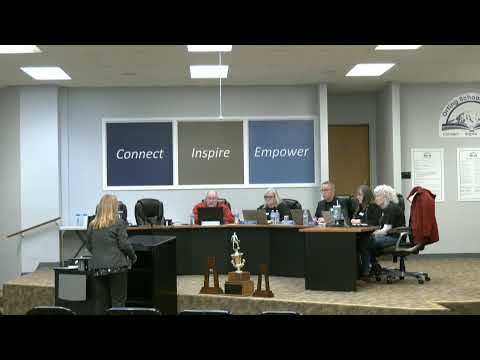
Dustin Morrow, who identified himself as fire chief for Central Pierce Fire and Rescue and the neighboring valley departments, told the Orting School District board that the three‑agency consolidation aims to improve emergency response, share resources and reduce administrative duplication.
Morrow said the consolidation has already produced operational changes: pooled staffing, access to more stations and a negotiated single labor contract covering roughly 605 personnel. He described cultural work to align values and said the consolidated organization now fields larger engines and more staff per shift without added cost to local taxpayers.
Morrow said the consolidation required multiple administrative steps and would culminate in community votes in the valley jurisdictions. Under existing Washington law governing fire districts (RCWs), the Orting Valley and Graham communities must vote to join Central Pierce; Central Pierce does not vote. Morrow said that community vote is scheduled for April 22.
Board members asked how the new structure would benefit students and whether the departments could partner with the district’s CTE and career pathways. Morrow said the consolidation expands the fire service’s capacity to do prevention and education work in schools and that the combined organization has hired three certified public‑education staff to help teach fire safety and connect with local curricula.
Other points Morrow raised: the consolidation allows sharing of 22 additional fire stations, the district of commissioners will be reduced from 15 to five over three election cycles, and the change was achieved largely through contracts and administrative work rather than new taxes. He also said the consolidated organization plans to solicit community input, including whether to change the agency name (which would carry additional cost).
Morrow framed the effort as intended to increase on‑the‑ground performance while holding or lowering costs to taxpayers. He closed by offering to work with the district on CTE connections and educational outreach.