Board reviews multiple policy updates and wording clarifications during second-reading consent
Summary
Board members reviewed Section 3 policies and two policies slated for second reading, asking staff to clarify language on vehicle keys, bus driver licensing, use of pagers versus cell phones, and principals' responsibilities in emergency preparedness.
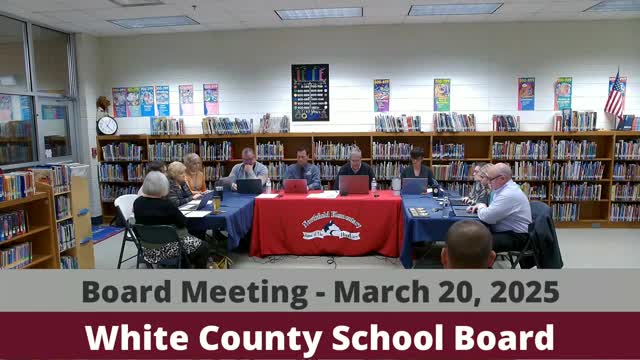
Board members reviewed policy language and implementation details March 20 as part of a regular consent package that included two policies scheduled for second reading, identified only by their numbers in the meeting packet.
Several board members and staff discussed specific operational items that emerged from a recent Section 3 policy review. Topics included who holds keys for school vehicles and how keys are issued (principals keep keys at schools and use signout procedures for district vehicles), distinctions between school buses — which require a commercial driver’s license and S and P endorsements — and other district vans or passenger vehicles covered by district insurance when driven by employees.
Board members questioned a policy clause that favors two-way radios and pagers over cell phones; staff said pager language remains in policy because pagers can be more reliable in some coverage conditions and hospitals and other organizations still use them. The director said he would follow up with staff on whether the pager language should be removed.
The board also asked for clearer language about principals’ responsibilities under the emergency-preparedness policy, including who is responsible for checking fire extinguishers and delivering extinguisher training. Staff said custodians and contracted service providers perform required extinguisher inspections and that principals or their designees should be explicitly named in policy language.
A related discussion covered remote-learning drills required for students, which staff described as exercises showing students and families how to log into district devices and access assignments; younger students commonly receive paper packets on remote days.
Why it matters: The questions raised — about vehicle access, driver licensing, emergency-preparedness responsibilities and communications equipment — affect daily safety, liability and operational clarity for district employees. Board members asked staff to return suggested wording changes where appropriate.
What’s next: Staff will follow up with recommended edits to policy language and present them at a future meeting or the next policy cycle.