Get Full Government Meeting Transcripts, Videos, & Alerts Forever!
Get email alerts on the Land Use Code Update topic
No spam. Unsubscribe anytime.
Staff previews broad 'Rural Done Right' land‑use rewrite; Planning Commission delays public hearing
Summary
Staff presented a comprehensive draft rewrite of residential and commercial land‑use chapters—changes include new cottage/courtyard cluster options, revised lot and building size minimums, and clarified mixed‑use and commercial setbacks. Commissioners requested more review time and postponed scheduling a public hearing.
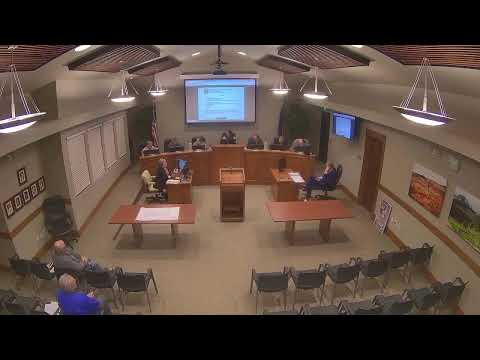
Planning staff presented a comprehensive set of proposed land‑use code updates March 19 intended to standardize language across residential zones, add a cottage/courtyard/cluster subdivision option and clarify mixed‑use and commercial standards.
The draft would: add a cottage/courtyard/cluster subdivision pathway; set density targets tied to zone (R1→4 units/acre, R2→6 units/acre, R3→8 units/acre in staff examples); introduce twin‑home ownership through subdivision; change lot‑size minima in some zones (examples discussed: single‑family lots down to 7,500 or 6,000 square feet in certain zones); and clarify building‑size minima (staff proposed 850 square feet Ground Floor minimum for single‑family, with smaller minimum dimensions for twin/duplex sides). Staff also proposed clarifying commercial code to better distinguish a downtown, zero‑setback pattern from general commercial setbacks and to require fire‑resistant walls where buildings abut each other.
“We do not want to move so quick that we end up with a problem. So I do need to spend a little bit of time going through it,” Dan, the planning staff presenter, told commissioners while reviewing the draft language. Commissioners also asked staff to check for unintended conflicts with other chapters of the land‑use code before a public hearing.
Commissioners were split on timing and some substantive tradeoffs. One commissioner said she wanted more time to review the full text and supporting analysis: “I would prefer to wait to schedule the public hearing just because, since it was — I mean, this is huge in my opinion, and I need some time to go through it,” Heather said.
The Commission agreed to continue review and tentatively target the next meeting for further discussion; staff will return with updated wording and a review of cross‑references before the Commission schedules a public hearing.
Next steps: Planning staff will complete a code‑wide cross‑check for conflicts, incorporate commissioner feedback and return with updated language and supporting materials. The Commission did not set a firm public hearing date at this meeting.