Get Full Government Meeting Transcripts, Videos, & Alerts Forever!
Get email alerts on the Tort Reform topic
No spam. Unsubscribe anytime.
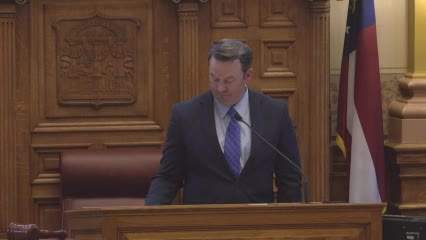
Georgia Senate Agrees to House Substitute on Broad Tort-Reform Measure After Heated Debate
Summary
After hours of debate and a failed amendment to expand carve-outs for child and elderly victims, the Georgia Senate voted to agree to the House substitute for Senate Bill 68, a comprehensive tort-reform package changing civil-practice rules, damages testimony and premises-liability standards.
The Georgia State Senate on Friday approved the House substitute to Senate Bill 68, a wide-ranging tort-reform measure that revises rules on civil practice, evidentiary matters, damages and certain premises-liability claims.
Senate proponents said the bill will rebalance Georgia's civil justice system and reduce litigation-related costs for businesses and insurers; opponents said the measure would make it harder for many victims to obtain justice.
Senator Kennedy (18th District), the bill sponsor, told colleagues the substitute incorporates months of work between the governor's office, the House and Senate committees, and outside stakeholders and “strikes that needed balance.” The sponsor outlined changes the House made on timing for damage arguments, voluntary-dismissal timing, seat-belt evidence and bifurcation procedures.
Opponents repeatedly warned the bill would limit remedies for victims of negligence or criminal conduct on private property. Senator Parens (40th District), who offered Amendment 1 to expand carve-outs for victims under 18 and those 65 and older, described multiple Georgia criminal cases and argued: “If these lawsuit reforms pass, the victims in these cases may never get their day in court.” The Senate voted down Amendment 1 (yeas 22, nays 32).
Sponsor and supporters said the substitute preserves causes of action for trafficking victims and that the bill excludes civil claims tied to specific trafficking statutes; it also leaves many traditional tort claims intact, they said. Senate floor debate included requests for clarity on how the bill would interact with existing anti‑trafficking statutes and with prior laws giving civil remedies to trafficking victims.
After debate, the President Pro Tempore moved to agree to the House substitute; the motion carried (ayes 34, nays 21). The House later had passed its substitute; the Senate’s vote to agree moves the revised language forward.
What the bill does: the substitute makes procedural reforms (timing of damage arguments, mandamus when courts delay motions), narrows or clarifies some forms of recoverable “phantom” or billed damages, revises voluntary‑dismissal timing, preserves trial‑court discretion on seat‑belt evidence, clarifies bifurcation rules and includes a premises liability section that provides limited protection for owners against certain types of negligent‑security claims while expressly excluding claims arising from covered criminal trafficking offenses in chapter 6 of Title 16 of the Official Code of Georgia Annotated.
What happened on the floor: Amendment 1 (offered by Senator Parens, 40th District) to add express protection for victims under 18 and victims 65 and older failed 22–32. The motion to agree to the House substitute passed 34–21.
Next steps: With the Senate’s agreement to the House substitute, the bill proceeds per the legislative process to the next step specified by chamber procedure.
Context: Supporters, including the governor’s office and business groups, framed SB 68 as a needed correction to litigation costs they say raise insurance and business expenses; critics including plaintiff attorneys and victim advocates argued the measure would remove accountability and reduce deterrence that civil suits provide.
Ending note: The floor debate repeatedly returned to whether the bill would meaningfully lower insurance premiums without independent oversight of insurers; several senators urged additional transparency and data from insurers before broad legal changes were enacted.