Get Full Government Meeting Transcripts, Videos, & Alerts Forever!
Get email alerts on the Tobacco Policy Cap topic
No spam. Unsubscribe anytime.
Board debates retiring-cap for tobacco permits to reduce retailer density
Summary
Lynn Board of Health discussed proposals to retire unused tobacco permits to lower the city's per-capita density of tobacco retailers from historically available 135 permits toward the current 22 active permits, and considered notifications and timelines to ensure a fair process for owners and potential buyers.
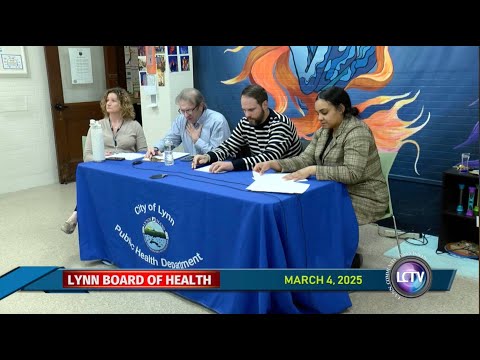
Board members and staff on March 4 discussed a proposal to institute a retirement cap on tobacco permits that would reduce the number of available tobacco retail permits over time as permits go dormant or are not actively used.
Joyce (public health inspector) told the board that Lynn historically authorized 135 tobacco permits and currently lists about 22 active permits; she described a proposed retirement-cap mechanism under which a permit could be retired if an establishment remains dormant and no buyer or operator applies to renew or reactivate within a set timeframe. Joyce said the intent is to reduce per-capita retailer density while preserving a clear process for owners and prospective buyers.
Board members debated how to define “closed” and which triggers should prompt staff outreach. Several members urged a staged approach: notify an apparently dormant permit-holder, give 30 days to respond, and then, if they confirm closure, allow 60 days for sale/transfer activity before retiring the permit. One board member suggested certified notice or documented outreach before removing a permit so owners have a fair opportunity to reactivate or sell the business.
Members also discussed keeping a small buffer of reserve permits and the legal risk of discretionary allocations; staff said many neighboring communities use similar attrition-based approaches and that retiring permits generally returns them to the city rather than awarding them by discretionary selection. The board asked staff to consult the city solicitor (Attorney Lamato was suggested) and other municipalities (Peabody, Salem, Danvers were named as comparators) about model language and enforcement practice.
No formal vote was taken on March 4. The board directed staff to draft proposed language that would set notification, response, and dormancy time frames and to consult legal counsel and peer communities before returning the proposal for formal action.
Why it matters: Board members framed the change as a public-health strategy to reduce retail access points for tobacco products in Lynn while preserving owners’ ability to sell or transfer active businesses. Staff emphasized that a carefully drafted process is needed to avoid inadvertent removal of active permits and to preserve municipal fairness and defensibility.