
Internal audit presents eight reports; board hears two findings and corrective steps
Get AI-powered insights, summaries, and transcripts
Subscribe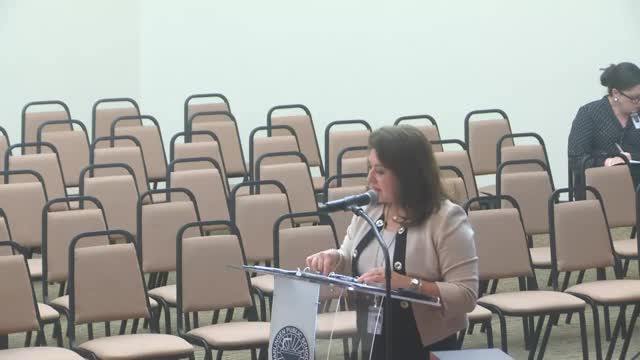
Summary
HCISD internal audit office presented eight audit reports used by the external auditors; staff reported two coding exceptions that were corrected and broader recommendations for risk-based reporting and communications.
Harlingen CISD’s internal audit office presented eight audit reports that supported the district’s 2023–24 external financial audit and provided the board with findings, corrective steps and ongoing monitoring activities.
Miss Ledesma, who led the internal audit presentation, said the reports included: the annual activity-fund audit (all campuses and departments), year-end physical inventories, audit of bid files, audits of student classification and program-eligibility coding (special education, dyslexia, career and technology, CCMR and at-risk), payroll program-intent coding, non-payroll program-intent coding, self-funded health insurance claims testing, and a special activity-fund audit for Harlingen Collegiate High (conducted because of campus leadership changes).
Ledesma told trustees the activity funds report covered the audit period of June 1, 2023–May 31, 2024, noted combined activity-fund balances “more than $1,800,000” (86% agency/student funds, 14% campus activity funds), and recapped receipts of over $3.1 million and disbursements of a bit more than $2.6 million for the year. She said auditors test receipts and disbursements, deposit timing, reconciliations and other attributes, and that campus-specific assessment memos are issued to principals and secretaries following audit visits.
On state-compliance audits that supported the external auditors, Ledesma said the district had two coding exceptions in payroll program-intent: “We had 2 employees who were inappropriately coded. And as soon as we discovered that, we spoke to Ms. Debbie with human resources… those were immediately correctly corrected to the appropriate program intent code. Internal controls have been revised and additional training for staff was conducted.” For non-payroll disbursements, she said the auditors found one exception (about $600) that was corrected with a journal entry.
Ledesma also reported the audit of bid files that examined 25 vendors with $50,000+ transactions; she said there were no findings there and that the audit traced approvals, coop/sole-source documentation and invoice tracing. The self-funded insurance audit tested 86 claims from a total universe of 243,529 medical and pharmacy claims (totaling more than $23 million) and found no findings. The Harlingen Collegiate High special activity fund audit (required after principal and bookkeeper retirements) showed an audited activity fund balance of $40,210 and no findings.
Board members and the committee pressed audit leadership on how internal-audit time and testing align with district risk. Trustee comments requested an audit “tornado chart” tying hours and findings to risk stratification, and a clearer ranking of findings by severity. Ledesma and committee members said the audit plan is risk-based and presented annually in July; they said some risk areas have changed since the plan was approved and that audit work is continuous and adjusts as necessary.
Trustees asked for stronger, routine communication if auditors become aware of emerging or significant issues; Ledesma said internal audit monitors transactions and is on workflow for consultant agreements to ensure authorizations and funds are available before transactions are executed.
Ending: Trustees acknowledged the two corrected coding exceptions were addressed and asked internal audit to give a clearer risk-to-effort picture in upcoming reports (for example, a summary of hours spent vs. risk areas and a severity tiering of findings). Ledesma said the office will incorporate those reporting suggestions into future audit-plan updates and committee briefings.