Get Full Government Meeting Transcripts, Videos, & Alerts Forever!
Get email alerts on the Camp Variance Next Level topic
No spam. Unsubscribe anytime.
Board grants variances for Next Level Watersports; staff and board set inspection conditions
Summary
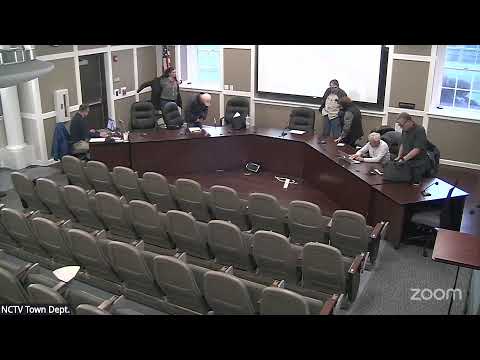
The Nantucket Board of Health on March 20 approved variances allowing Next Level Watersports to operate a primarily water-based day camp without a fixed land base, but the board required inspection access to vessels and annual review.
The Nantucket Board of Health on March 20 approved a set of variances permitting Next Level Watersports to operate a mobile day camp that picks up and drops off campers at the town pier rather than from a fixed, inspected land base. The board approved the requested variances by voice vote: 4 in favor, 0 opposed, 1 abstention.
Attorney Rick Bodette, representing Next Level Watersports, asked the board to grant variances from multiple camp requirements in the state regulations — including site location, emergency medical facility, shelter, sewage disposal, and handwashing facilities — on the ground that the operation can achieve "the same degree of protection" through alternative measures while operating primarily on the water.
John Geary, the camp operator, described a nine-year operating history on the island and said staff are first-aid and CPR certified, that each vessel carries a first-aid kit, and that the operation maintains a mother ship with restroom facilities. He and the camp’s counsel emphasized daily weather briefings, multiple weather apps and VHF radios for real-time monitoring, and written policies for toileting, medical response and incident reporting.
Health department staff opposed several of the requested variances. Staff noted the camp’s sessions last up to three hours and that the nearest restroom can be a 20-minute boat ride away; the department questioned whether portable tents and "privy seats" provide equivalent sanitary and medical protections required under the regulations. "I don't see the same degree of protection being offered at all with these variances," one staff speaker said.
Camp counsel and supporters pushed back, arguing many island camps operate away from fixed facilities and that the Board’s variance authority exists precisely to address nonstandard operations. The camp provided evidence of insurance (the operator said coverage meets the town-required limits) and daily data collection systems for attendance and incident reporting. A 10-year-old camper, Finn Fingatore, spoke in favor of the camp and described scholarship participation and positive experience.
After lengthy discussion the board asked staff and the applicant to ensure inspectors could access vessels for inspection. The motion approved variances "as listed in the application" and included encouragement that Health Department inspectors be permitted to board the camp vessels for inspections; the board also asked that the camp and department coordinate on reporting and inspection logistics and signaled intent to review the arrangement annually. One board member asked that the camp and staff prepare aggregated operational data (cancellations, injuries, incidents) for future review.
The board agreed the variances will be revisited annually and that the Health Department and the camp should work to ensure inspection access and clear emergency protocols.
Votes at a glance: Next Level Watersports — variances for site location, medical facility, shelter, sewage/toileting and related provisions approved (voice vote recorded in transcript as 4–0 with 1 abstention).