Get Full Government Meeting Transcripts, Videos, & Alerts Forever!
Get email alerts on the Student Identity Pronoun Policy topic
No spam. Unsubscribe anytime.
Residents split as Eastern York board considers policy on student names and pronouns
Summary
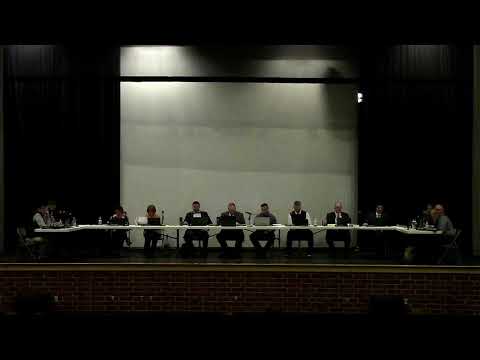
The Eastern York School District Board of Directors on Tuesday heard extensive public comment and debate over a proposed policy, cited in remarks as Policy 216.2, that would require the district to notify parents when a student asks to be called by a different name or pronouns and would allow staff to decline to use a student’s chosen pronouns on religious or speech‑compulsion grounds.
The Eastern York School District Board of Directors on Tuesday heard extensive public comment and debate over a proposed policy, cited in remarks as Policy 216.2, that would require the district to notify parents when a student asks to be called by a different name or pronouns and would allow staff to decline to use a student’s chosen pronouns on religious or speech‑compulsion grounds.
Supporters and opponents packed the meeting, delivering personal testimony, legal warnings and policy recommendations. Speakers for the policy said it protects parents’ rights and staff conscience; speakers against it said it would put transgender and gender‑nonconforming students at risk, invite litigation and divert limited district resources.
Why it matters: Commenters tied the measure to federal and state law, potential insurance and litigation exposure, and to student safety and mental health. Some speakers warned the district could lose federal funding or insurance coverage if it did not follow federal guidance; others cited studies and first‑hand accounts that respect for students’ names and pronouns reduces suicide risk and improves school outcomes.
Public testimony ranged from legal argument to personal testimony. Michael Zappler of Elk Township urged the board to “put your personal agendas second to what is best for kids,” while Cara Velour, a Lower Windsor Township resident and Eastern alum, said the policy would “open up this district and you personally as board members, for litigation,” referencing Title IX and the Pennsylvania Human Relations Act. Several speakers named recent court decisions; one referenced the Gloucester County case involving Gavin Grimm as a cautionary example of expensive litigation.
Parents, students and community members told personal stories. Nicole, a Yorkana foster parent, said teachers deadnamed her foster son and that “he sat alone at lunch every day” until he attempted suicide; she described the emotional harm she said resulted when school staff refused to use his chosen name. A parent who identified herself as Carissa Stoner said her son’s grades and quality of life improved after teachers supported his coming out.
Speakers urging adoption stressed parental notification and protection for staff. Laurie Langman, Helm Township, said the policy “protect[s] the teacher” and “protect[s] the parents” by ensuring families are informed. Opponents, including several teachers and parents, said the district has more urgent budget and program needs and warned that the policy would institutionalize a process that singles out a small group of students.
Legal and funding concerns were a recurring theme. Multiple speakers urged the board to consider Title IX and the Pennsylvania Human Relations Act; one speaker warned that a loss of federal funding or insurance coverage was possible if the district adopted certain policies, though board members asked for clarification on those claims during the meeting.
Board action: The transcript shows the board discussed policy items and conducted routine votes on agenda items at the meeting, and a motion and second were entered under the meeting’s policy section. The transcript does not contain unambiguous language recording a final board decision specifically adopting or rejecting Policy 216.2; the outcome for that proposed policy is not specified in the record provided.
What came next: Board members said they would continue to receive information and legal advice; the meeting concluded with notice of an executive session for legal advice after adjournment.