
Florence 3 highlights tutoring center growth and test-score gains
Get AI-powered insights, summaries, and transcripts
Sign Up Free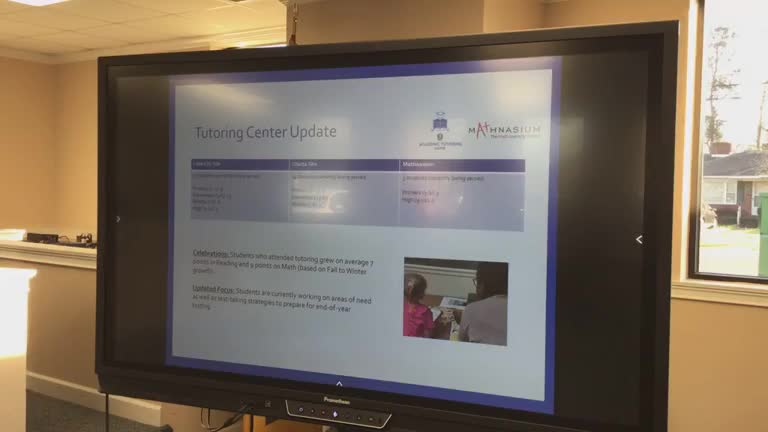
Summary
District staff reported that the Florence County School District 3 tutoring centers are serving students across grade bands and showing measurable winter-to-fall MAP growth for regular attendees.
District instructional staff told the Board of Trustees on March 20 that Florence County School District 3''s tutoring centers are operating at two sites and producing measurable short-term gains for students who attend regularly.
Liz Thomas, who presented the tutoring-center update, said the Lake City site serves 35 students (8 primary, 13 elementary, 6 middle school and 4 high school) and the Atlanta site serves 14 students (9 primary, 4 elementary and 1 middle school). The district also contracts math support through a Florence provider where five students currently receive services.
Thomas described the tutoring program''s structure: students typically receive one-hour sessions twice a week and frequently use digital programs such as Lexia, DreamBox and IXL alongside teacher-designed practice. For students who attend regularly, Thomas reported an average MAP (Measures of Academic Progress) growth of about seven points in reading and nine points in math between fall and winter administrations for that cohort.
Mary Howard, who introduced the instructional updates, and other staff highlighted that each student at the center has a learning plan and a portfolio of practice work tied to assessed skill gaps. Staff said spring MAP reports were still being collected and additional outcomes will be reported when available. Board members asked no questions about the tutoring presentation during the meeting.
Why it matters: The tutoring centers target students identified as needing additional support; reported short-term gains on MAP assessments are presented by staff as evidence the model is helping students catch up on targeted skills ahead of state testing and end-of-year assessments.
The instructional update also included district event notices and upcoming assessments; staff encouraged parents and stakeholders to complete the district Title I needs-assessment survey posted on school and district websites.