Get Full Government Meeting Transcripts, Videos, & Alerts Forever!
Get email alerts on the Finance General Fund topic
No spam. Unsubscribe anytime.
Administration proposes $60 million local contribution for schools, plans to use one‑time fund balance to smooth FY26–27 budgets
Summary
Borough administrators told the Assembly Finance Committee the borough ended FY24 with roughly $20 million above its target reserve and proposed using some of those one‑time funds to stabilize education funding: a $60 million local contribution for FY26 and a $5 million set‑aside toward FY27.
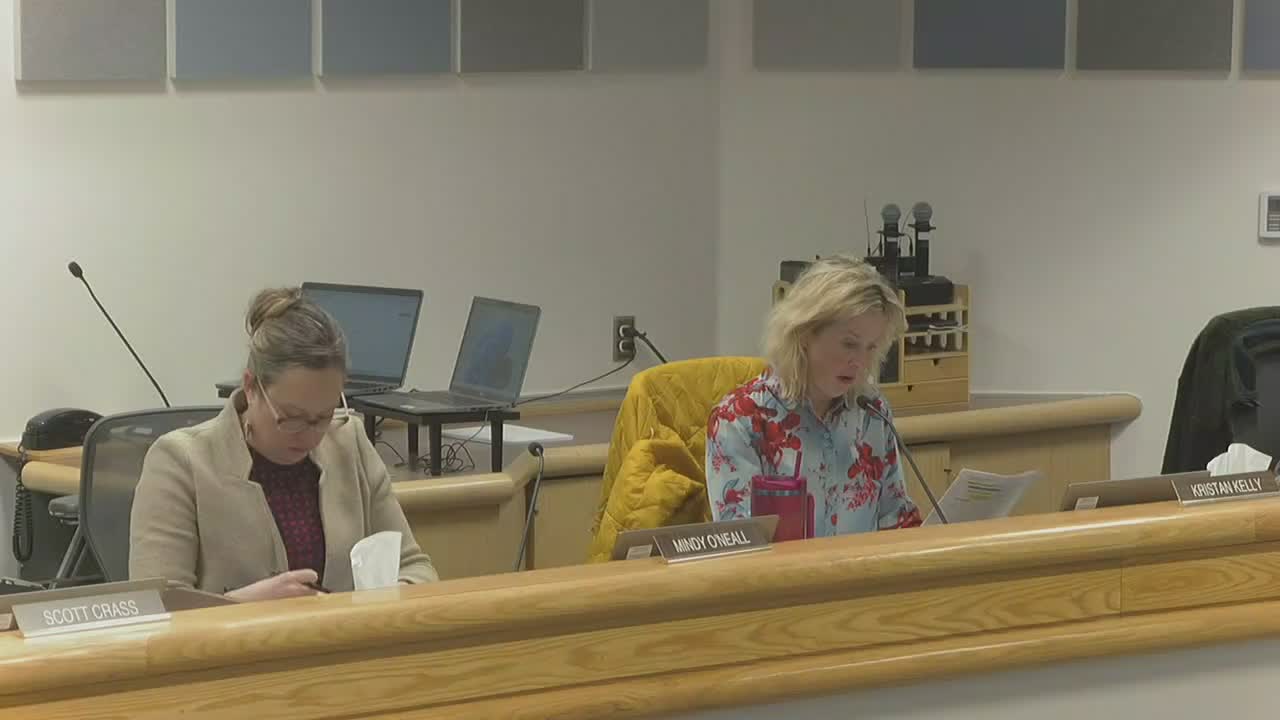
Fairbanks North Star Borough administrators told the Assembly Finance Committee on Feb. 6 that audited results for the year ending June 30, 2024, left the borough with an unassigned general fund balance well above the code‑required target reserve and that the mayor plans to use part of that one‑time balance to steady the borough’s contribution to the school district.
Why it matters: The borough’s required local contribution to education increases under state formulas as assessed property values grow; administrators say a shortfall in state funding plus limits set by the borough’s tax cap means the borough must either increase the local contribution or make deeper cuts to operations or the school contribution.
“On behalf of the administration, I plan on proposing $60,000,000 in local contribution to the education, our district for FY ’26,” Mayor Hopkins told the committee. The mayor said $60 million would be about $2 million more than the assembly approved for FY25 and that the administration proposes setting aside an additional $5 million to sit for 12 months to help stabilize the FY27 budget.
Administration presentation: Kuvig Junda, the mayor’s chief of staff, led a review of the audited comprehensive financial report (ACFAR) for FY24 and explained why the unassigned fund balance grew. He said FY24 revenue exceeded budget by about $6.9 million and expenses were about $5.3 million below budget. He attributed most of the revenue variance — roughly $5.9 million — to higher investment returns than budgeted and about $1 million to unexpected tax collections from prior years.
Junda told the committee the borough’s June 30, 2024, unassigned fund balance was reported near $51.5 million, with a memorandum total of nearly $48.0 million after supplemental appropriations; the borough’s target reserve was listed at about $27.26 million. “What that means is that we’re now about $20,000,000 above the target reserve amount,” he said.
On expense savings, administrators said roughly $2.6 million of the $5.3 million variance was attributable to lower personnel costs (vacancies and step differences when senior staff are replaced by less‑tenured hires) and about $2.7 million to underspending on contractual services. About $1.9 million returned to the general fund from completed projects.
How the mayor would use the funds: The administration said it plans to rely in part on those one‑time funds to help the mayor’s proposed FY26 budget reach a $60 million local contribution to education without abruptly cutting other services. Junda warned that building ongoing operations on one‑time funds is risky: “Building a budget on these one‑time funds can be dangerous and fiscally unsustainable,” he said, noting the administration’s intent is to stretch the above‑target funds over two fiscal years to reduce the risk of “dramatic cuts.”
Mayor Hopkins said he will propose dedicating about $5 million of the unassigned fund balance to sit for a year to earn interest and be available for the FY27 budget, which he called a step toward “stable funding for the school district.” He and staff noted an estimated reduction in state funding to the district tied to the foundation formula of about $1.2 million for FY26.
Questions from the committee: Assembly members pressed for more detail on (1) how much one‑time fund balance was used last year (administration staff responded “approximately $6,100,000”), (2) how the mayor calculated that roughly $10 million of fund balance would be needed this year to support the $2 million increase in the local contribution, and (3) whether the proposed set‑aside ($5 million) could be invested in higher‑yield instruments if held for a year. Administration staff said the $5 million set‑aside would be held in an interest‑bearing account and flagged the option of identifying a higher‑yield vehicle if the funds are to sit for a defined period.
Other context discussed: Committee members raised the longer‑term sustainability question — whether the borough can continue using one‑time balances to meet recurring education obligations — and asked for a 10‑year variance history of the “amounts returned to the fund balance” so the Assembly could see whether the FY24 result was anomalous. Staff agreed to provide a 10‑year look‑back. Several assembly members also pressed whether using fund balance for education would reduce monies available for capital projects; the mayor replied the Assembly can choose to reallocate CIPMR funds and that capital allocations remain within the Assembly’s purview.
Ending: The administration presented its figures and plan as a proposal for the mayor’s FY26 budget, which the mayor said the Assembly will receive in early April and can modify. Staff agreed to return with follow‑up details requested by the committee, including the 10‑year look‑back on fund‑balance variances and a clearer breakout of what last year’s fund‑balance draw included.