Get Full Government Meeting Transcripts, Videos, & Alerts Forever!
Get email alerts on the Mining topic
No spam. Unsubscribe anytime.
House returns two Senate memorials urging relief for Idaho mining and fast-tracked permits for Stibnite project
Summary
The House returned Senate Joint Memorials 102 and 103 urging streamlined permitting and attention to mining's economic role; one memorial specifically urged swift permitting for the Stibnite (Stibnite/Stibnite) project and highlighted antimony's defense uses.
The Idaho House on March 20 returned two Senate joint memorials to the Senate that asked federal and state officials to consider steps to reduce permitting delays and regulatory burdens on mining and to expedite permits for specific projects.
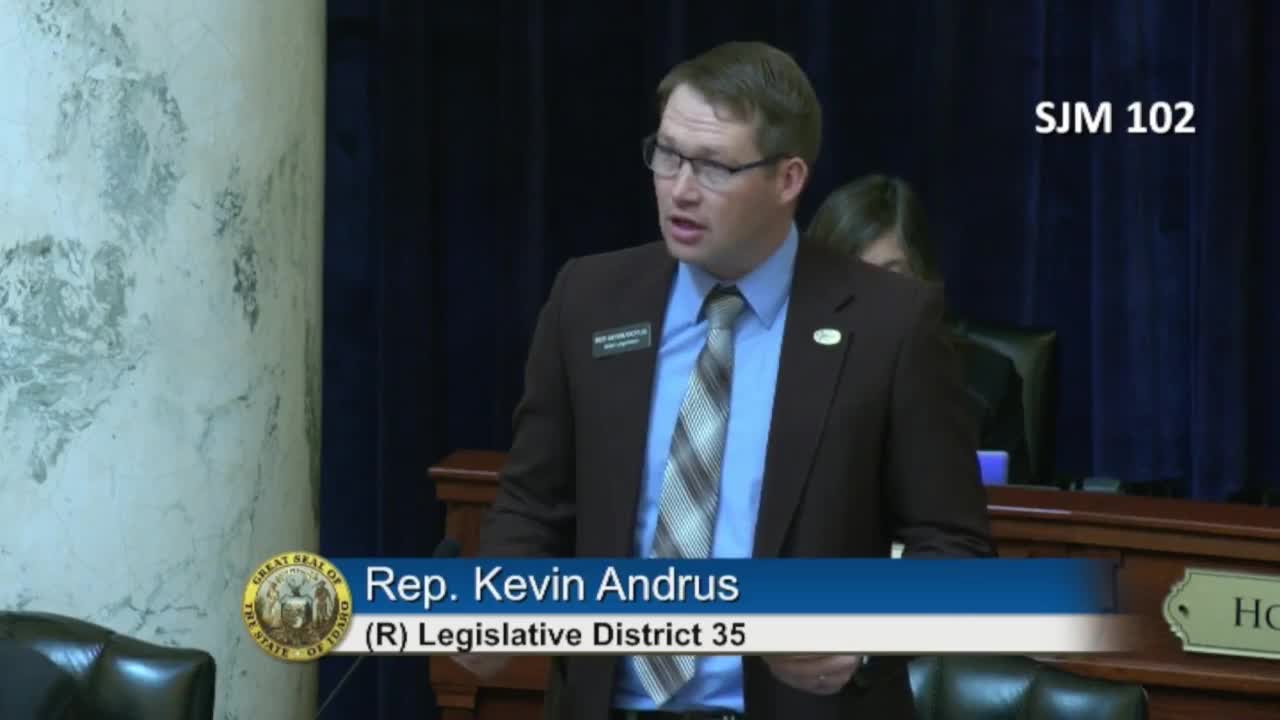
Senate Joint Memorial 102 urged broader administrative improvements to prevent what sponsors called over-regulation that had impeded mining projects in Idaho, and urged the administration to improve permitting efficiency. Representative (Sponsor of SJM 102) said overregulation had "crippled" the ability to use Idaho resources and called for administrative changes to restore effective permitting.
Senate Joint Memorial 103 focused on the Stibnite (Stibnite/Stibnite) gold mine near Yellow Pine and emphasized the strategic importance of antimony, noting that much of the world's antimony supply is foreign-sourced and that domestic production matters for defense supply chains. Supporters said the Stibnite project had been in permitting for years and urged swift approval of remaining permits.
Both memorials received floor support and were returned to the Senate. Because they do not appropriate state funds the House handled them by voice vote or unanimous consent.
Supporters framed the memorials as nonbinding requests to address regulatory and permitting delays and to support projects considered important to local economies and national supply chains; opponents did not register recorded objections on the floor.