Get Full Government Meeting Transcripts, Videos, & Alerts Forever!
Get email alerts on the Education topic
No spam. Unsubscribe anytime.
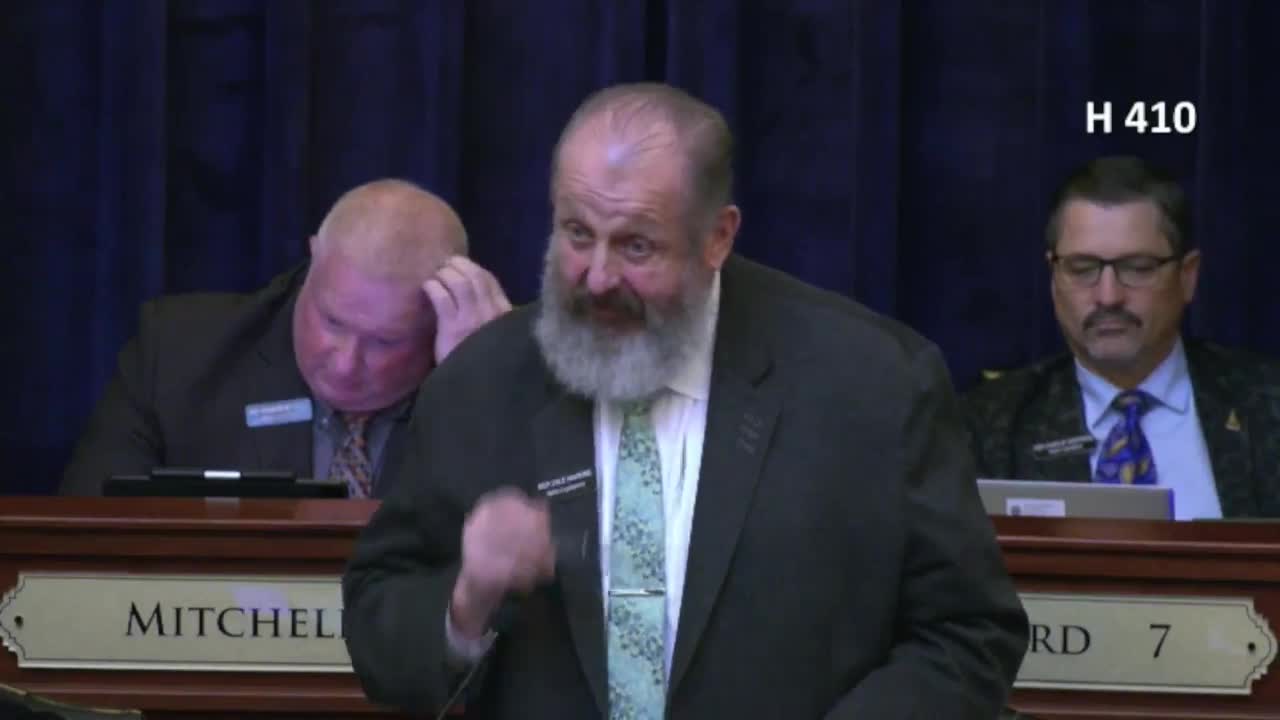
Idaho House approves bill to allow school districts to use vetted chaplains; lawmakers debate confidentiality and single-subject concerns
Summary
House Bill 4 10 passed after debate over scope, mandatory reporting and whether the bill violated the Idaho constitution's single-subject rule; sponsors said implementation is voluntary and local districts decide vetting and background checks.
The Idaho House passed House Bill 4 10 on March 20, a measure that allows school districts to provide access to chaplains for students upon local vetting and background checks. Sponsors said the bill is optional for districts and meant to expand access to supportive adults amid a nationwide mental-health context.
Representative (Sponsor of HB 4 10) told colleagues the bill "would allow school districts upon their own vetting, criminal background checks, their communities and support" and emphasized the program would be implemented at the local level, with school districts responsible for setting guardrails.
Several members asked about confidentiality and reporting obligations. Representative (Questioned confidentiality) pressed whether chaplains would be bound by Idaho mandatory reporting laws and whether communications with chaplains would be confidential; the sponsor replied he was not an attorney but said that chaplains are compelled to report the same as mandated reporters when abuse is disclosed: "Chaplains are, forced to report... they are to do so as well." Another legislator asked whether the bill violated Article III, Section 16 of the Idaho Constitution requiring single-subject bills; the sponsor said he believed the bill was permissible.
The House first voted to suspend rules to allow immediate consideration of the bill's reading and then debated the measure. A recorded floor vote showed 52 ayes and 18 nays; the bill passed and will be sent to the Senate. Supporters described the policy as locally controlled and voluntary; opponents raised privacy and constitutional questions and urged careful implementation at the local level.
The House record includes multiple questions from legislators about the scope of confidentiality and whether chaplains could be required to report certain communications to parents or authorities; the sponsor said local districts would determine details and that the bill does not itself create a state-run chaplain program.