Get Full Government Meeting Transcripts, Videos, & Alerts Forever!
Get email alerts on the State Budget topic
No spam. Unsubscribe anytime.
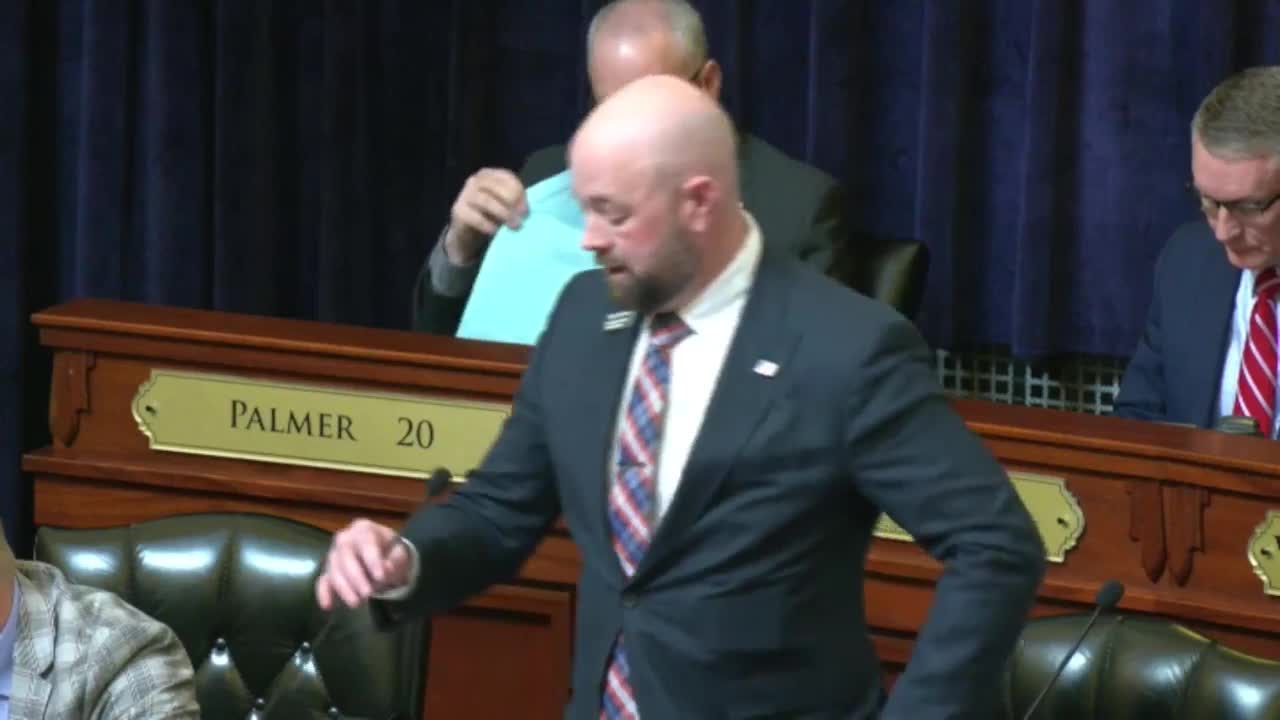
Idaho House approves Health and Welfare maintenance budget after debate over size and cuts
Summary
Lawmakers debated Senate Bill 11 08, the Department of Health and Welfare maintenance budget, including a reported 3.2% reduction and cuts of 11.5 FTEs; the House approved the budget 63-7 after extended debate.
The Idaho House on March 20 approved Senate Bill 11 08, the Department of Health and Welfare maintenance budget for fiscal year 2026, after extended floor debate over the size of the department's funding and staffing.
Representative (Sponsor of SB 11 08) described the bill as a maintenance budget that reduces some items and excludes enhancement requests, saying it reflected policies the Legislature has enacted and included "some cuts" in keeping with previous decisions. The sponsor said the proposal included a reduction of 11.5 full-time positions and a reduction of roughly $117,100,000 compared with prior levels, describing the net change as a 3.2% reduction in the department's maintenance budget.
Opponents pressed that the department's maintenance budget represented a large share of the state's spending and argued for deeper cuts; one legislator said "At 41% of the total maintenance budget, it's just still too much." Supporters urged that the bill reflected policy choices the Legislature had already made and that some funds are federal and not fully within state control.
After debate that included concerns about scope and past policy choices, the clerk recorded the final vote as 63 ayes and 7 nays; the bill passed the House and will proceed in the legislative process.
Members also discussed the budget's mix of federal and general fund dollars, conversions of ongoing funds to one-time items to reduce maintenance next year, and reorganization items credited with the staff reduction. The House record shows members urged those with policy objections to pursue policy bills rather than deny funding for currently authorized programs.