Get Full Government Meeting Transcripts, Videos, & Alerts Forever!
Get email alerts on the Snap Waiver Candy Soda topic
No spam. Unsubscribe anytime.
Senate committee sends bill to floor asking Idaho to seek SNAP waiver to bar soda, candy
Summary
The Senate Health and Welfare Committee voted to send House Bill 109 to the floor with a due-pass recommendation after a day of testimony that split public-health advocates, grocery and beverage industry representatives and retailers.
The Senate Health and Welfare Committee voted to send House Bill 109 to the floor with a due-pass recommendation after a day of testimony that split public-health advocates, grocery and beverage industry representatives and retailers.
House Bill 109 would direct the Idaho Department of Health and Welfare to request a federal demonstration waiver allowing the state to exclude candy and sugar‑sweetened beverages from purchases made with SNAP benefits. "The actual purpose of the SNAP program ... is to provide a nutritious diet to low income households," sponsor Senator Ben Toews said in his opening remarks, urging members to consider public-health and stewardship of taxpayer dollars.
Supporters told the committee the measure is a limited, state-level way to reduce sugar consumption among SNAP recipients and to prompt federal action. Brian Sickman of the Make America Healthy Project said state demonstration waivers are the fastest route to change in the SNAP program and cited national obesity trends and military-recruitment impacts as reasons states should act. Roy Leonardson with FGA Action called the bill "a stake in the ground" in a broader public discussion about diet and chronic disease.
At the hearing, several registered dietitians and citizens expressed conditional support but flagged drafting problems. "The language in the bill of containing more than 10% of flour by weight is unachievable," testified Jen Beazer, a registered and licensed dietitian, citing lack of access to proprietary recipe data and ambiguity over how "10%" would be measured on labels.
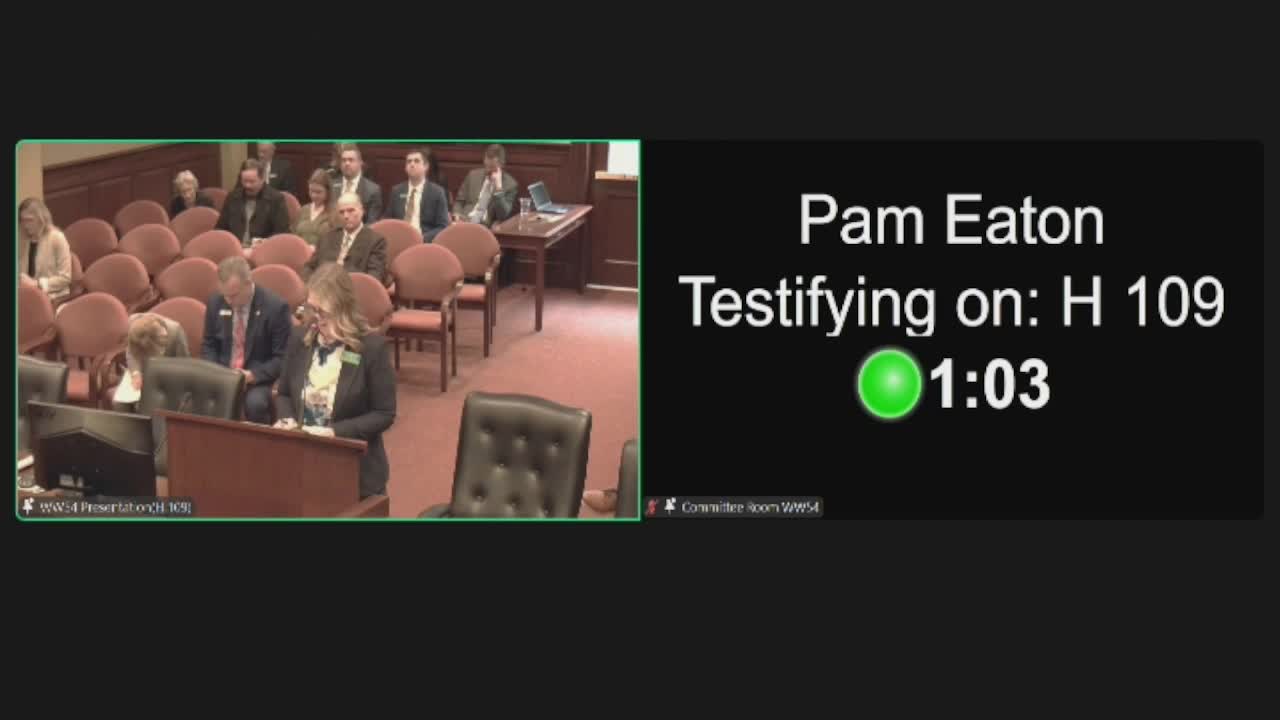
Retail and industry witnesses urged delay or defeat, saying implementation would impose heavy burdens on grocers and create inconsistent rules across state lines. Pam Eaton, president and CEO of the Idaho Retailers Association, cited the EBT Interoperability and Portability Act, which she said was designed to make EBT transactions uniform across states, and warned that state-by-state waivers could undo that work. Melinda Merrill, representing the Northwest Grocery Retail Association, told the committee that typical grocery stores stock tens of thousands of items and that retailers lack access to recipe-level ingredient breakdowns.
Industry representatives also argued the bill’s definitions would sweep in many products and unfairly target low‑ and zero‑calorie beverages. Steve Thomas, representing the Idaho Soft Drink Association, said many beverages now contain zero calories and that the industry has reduced beverage calorie footprints in recent decades.
Committee members raised implementation and equity questions during debate. Senator Cindy Wintrow and others said the bill’s drafting is unclear, pointed to possible unintended consequences for rural, single‑store communities and questioned whether excluding certain items would address obesity on a meaningful scale. Supporters including Senator Toews and several colleagues said the bill would preserve access to core nutritious items such as fruits, vegetables, dairy and meat while using SNAP dollars for food that provides nutritional value.
The committee’s motion to send the bill to the full Senate carried by voice vote. No roll-call tally was recorded in the transcript; the presiding officer declared, "The ayes have it. The bill passes." The measure now moves to the Senate floor for further consideration.
Votes at a glance: House Bill 109 — motion to send to the floor with a due-pass recommendation; method: voice vote; outcome: approved (committee).