Get Full Government Meeting Transcripts, Videos, & Alerts Forever!
Get email alerts on the Covenant Enforcement topic
No spam. Unsubscribe anytime.
Committee clears cleanup bill narrowing who can enforce real-property covenants
Summary
House Bill 325 would tighten the definition of parties who may enforce property covenants, clarifying that owners and homeowners associations, and not unrelated third parties, should be the usual enforcers.
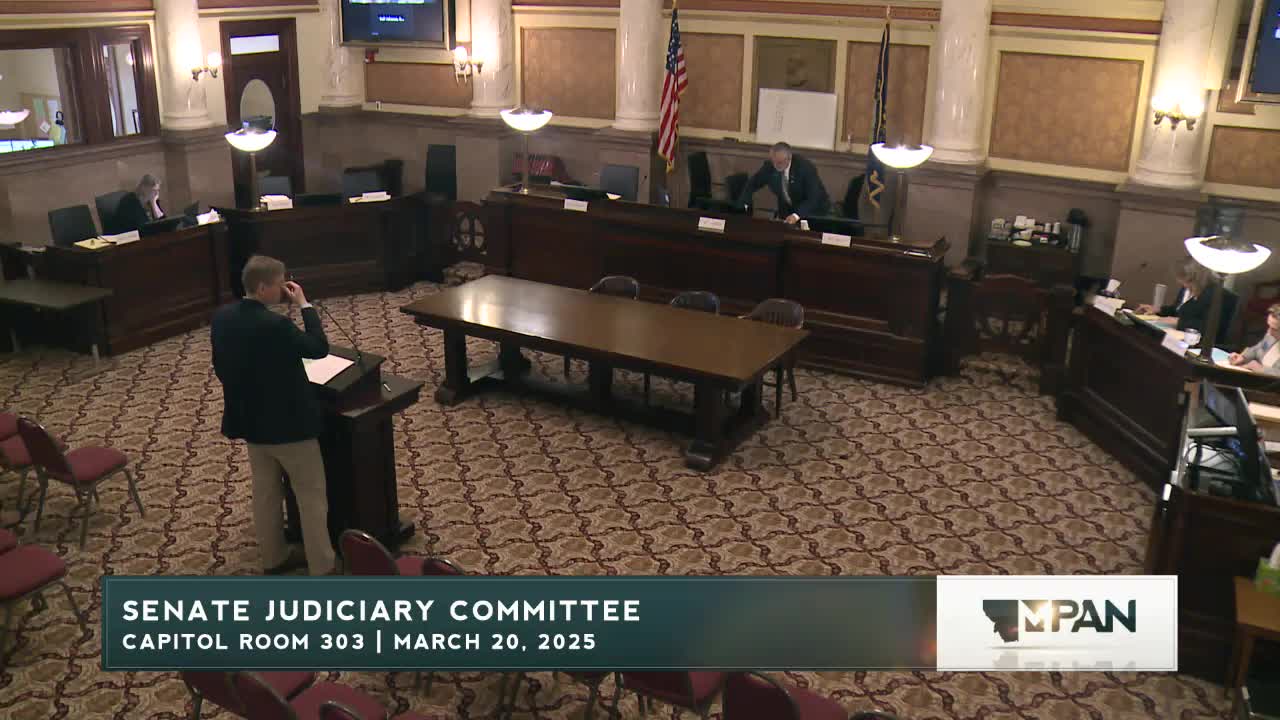
The Senate Judiciary Committee considered House Bill 325, a cleanup measure that would narrow who may enforce covenants affecting real property. Representative Steve Fitzpatrick, the bill’s sponsor, said the amendment tightens language so only parties with a property interest or homeowners associations would have enforcement rights, and it was intended to prevent unrelated third parties from using the covenant-enforcement process.
Lieutenant Governor Kristin Juras testified she and the sponsor worked to refine the language and that the bill would also make clear that covenants between neighbors who are not members of an HOA could still be enforced by those parties. Fitzpatrick said the changes are meant to “restrict this down” and avoid creating a tool for people without a contractual interest to sue to enforce covenants.
Committee members asked whether realtor organizations or community association stakeholders had been consulted; the sponsor said he had not spoken specifically with realtors but believed they had seen the bill. Senator Olson raised that some written comments received by the committee said passage could limit community associations’ enforcement options; Fitzpatrick replied that the bill changes who may enforce covenants, not the existing time limits for enforcement.
The committee recorded concurrence on the bill during executive action and indicated support for the cleanup language. The bill moves on for further Senate consideration.