Get Full Government Meeting Transcripts, Videos, & Alerts Forever!
Get email alerts on the Statutes Repose Appraisers topic
No spam. Unsubscribe anytime.
Committee backs statute-of-repose limits for real-estate appraisers
Summary
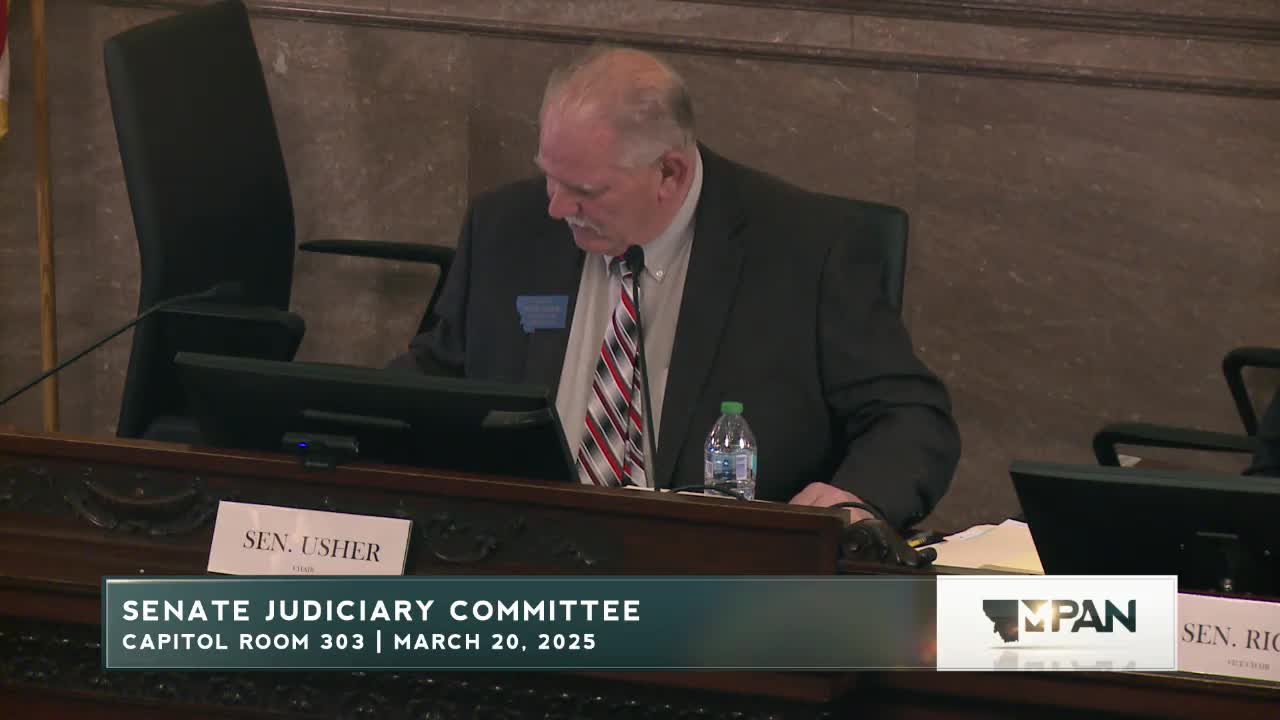
The Senate Judiciary Committee voted to concur on House Bill 135, which would set five-year and eight-year statutes of repose for tort and contract claims against real-estate appraisers, after proponents said the change would protect small appraisal businesses from suits long after records are discarded.
The Senate Judiciary Committee voted to concur on House Bill 135 on a 5-3 vote, moving the measure to the full Senate. The bill, sponsored in the House by Representative Steve Fitzpatrick, would create statutes of repose for claims against individual real-estate appraisers and appraisal firms: five years for tort claims and eight years for written-contract claims.
The bill’s sponsor, Representative Steve Fitzpatrick (House District 24), told the committee the measure would add a “hard cap” so claims cannot be extended indefinitely even if defects are discovered late. Fitzpatrick said lenders have sometimes sued appraisers five, 10 or more years after an appraisal, by which time appraisers commonly have destroyed their files under ordinary record-retention practices.
Scott DiBiase, representing the Appraisal Institute, testified in strong support. He said Montana currently uses a three-year statute of limitations for negligence and related malpractice claims but that appraisal defects are sometimes discovered years later, which can leave small appraisal businesses with little or no defense. “By establishing clear and reasonable time limits on claims, it provides much needed legal certainty,” DiBiase said.
Committee members asked about how appraisers use third-party reports in assignments and how retention practices affect defenses; DiBiase said appraisers may consider inspection reports and other sources but must evaluate their reliability. Fitzpatrick and witnesses emphasized the bill does not shorten existing limitation periods but instead adds repose periods that serve as hard caps.
The committee recorded a roll-call concurrence motion moved by a senator and later reported a 5-3 concurrence. Recorded individual votes during executive action show several senators voting both yes and no (tally: 5 yes, 3 no).
If enacted, the change would affect appraisers, appraisal firms, lending institutions and the timeline for litigation involving property valuations; proponents said it should also reduce professional-liability insurance pressure for appraisers. Opponents did not appear in the hearing record. The bill now moves to further Senate consideration.