Get Full Government Meeting Transcripts, Videos, & Alerts Forever!
Heated hearing on House Bill 3,835 exposes split over out-of-state placements and restraint rules
Summary
A packed House committee hearing on House Bill 3,835 brought sharply divided testimony. Supporters say the bill will restore treatment capacity and clarify when restraint or seclusion is wrongful; opponents say it weakens safeguards, reduces transparency and risks greater harm to children, especially those with disabilities.
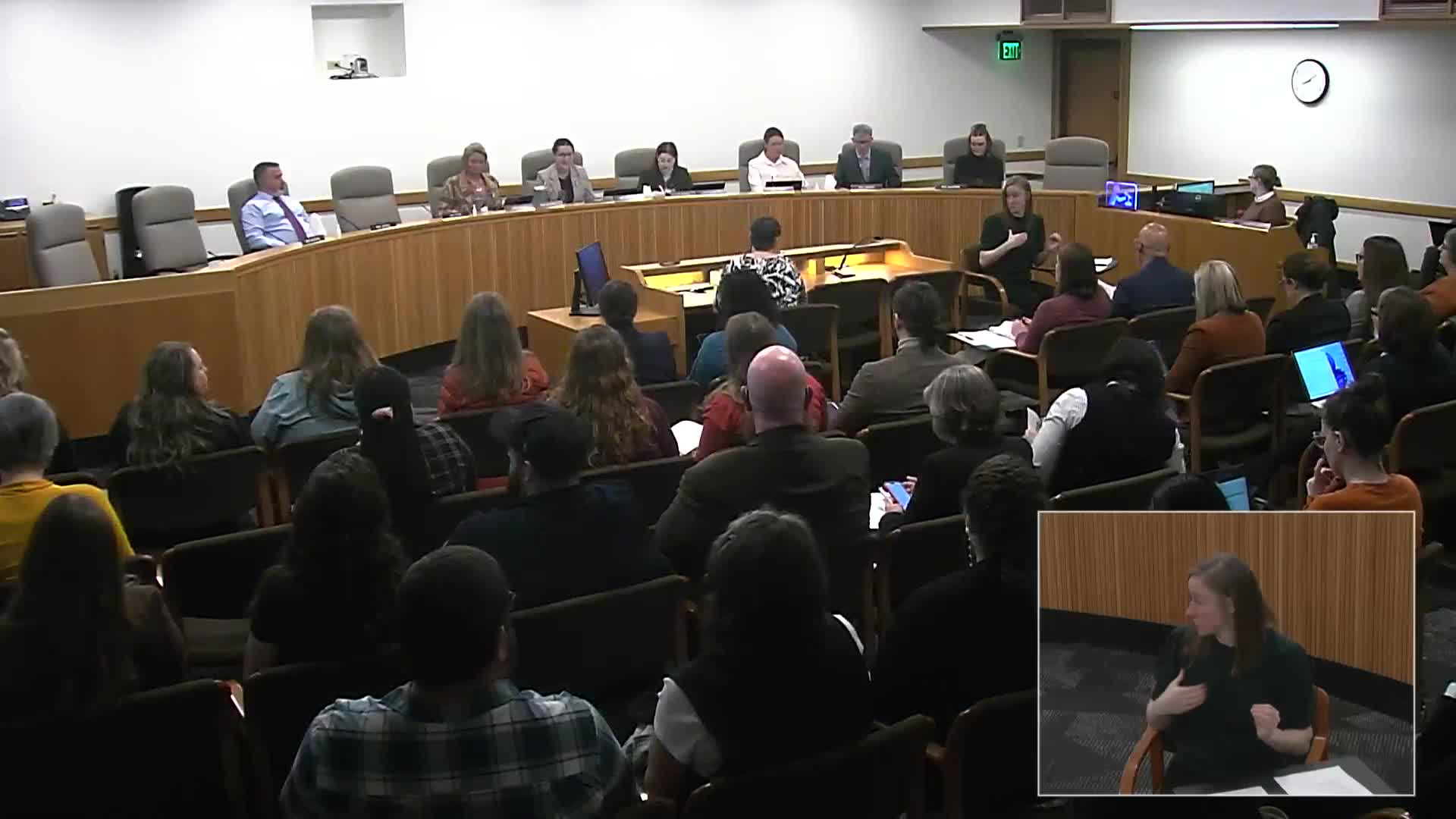
The House Committee on Early Childhood and Human Services opened a lengthy public hearing on House Bill 3,835 on March 20, drawing more than 60 people to testify and sharply divided testimony about how Oregon should care for children with high behavioral‑health needs.
Representative Rob Nosse, one of the bill's legislative sponsors, described Oregon as “among the worst in the nation for youth access to behavioral health services” and said HB 3,835 offers “practical solutions” with “strong safeguards” to keep children safe while expanding access to treatment, including placements outside the state when clinically necessary.
Opponents, including Senator Sarah Gelser‑Blueen, told the committee the bill would “eliminate laws protecting kids in care, kids at school, and kids with disabilities,” and criticized provisions that, they say, shift oversight to executive-branch rulemaking and reduce public transparency. “House Bill 3,835 will allow ODHS to hide critical information from the public,” Gelser‑Blueen said, citing past litigation, injury payouts and what she described as the department’s uneven oversight record.
Agency summary and the Dash‑1 amendment
Michelle Pfeiffer, legislative coordinator for child welfare at ODHS, walked the committee through a dash‑1 amendment posted to OLIS the day before the hearing. Significant changes in the amendment included:
- Removing two clarifying subsections that had unintentionally increased confusion about whether an act constitutes wrongful restraint or wrongful seclusion; - Allowing school personnel to intervene without immobilizing a child when necessary to break up a physical fight or prevent serious harm, aligning the school standard with child‑care settings; - Deleting a prior requirement that seclusion rooms in schools be equipped with operating video recording equipment after a racial‑equity review raised concerns about disparate…
Already have an account? Log in
Subscribe to keep reading
Unlock the rest of this article — and every article on Citizen Portal.
- Unlimited articles
- AI-powered breakdowns of topics, speakers, decisions, and budgets
- Instant alerts when your location has a new meeting
- Follow topics and more locations
- 1,000 AI Insights / month, plus AI Chat