Get Full Government Meeting Transcripts, Videos, & Alerts Forever!
Get email alerts on the Children Advocate Ombudsman Transfer topic
No spam. Unsubscribe anytime.
Senate bill would move Office of the Children’s Advocate into long-term care ombudsman structure
Summary
A bill before the Senate Human Services Committee would transfer the Office of the Children’s Advocate from the Department of Human Services to the Office of the Long Term Care Ombudsman, expand investigative authority, and preserve a dedicated birth-certificate surcharge that funds the office.
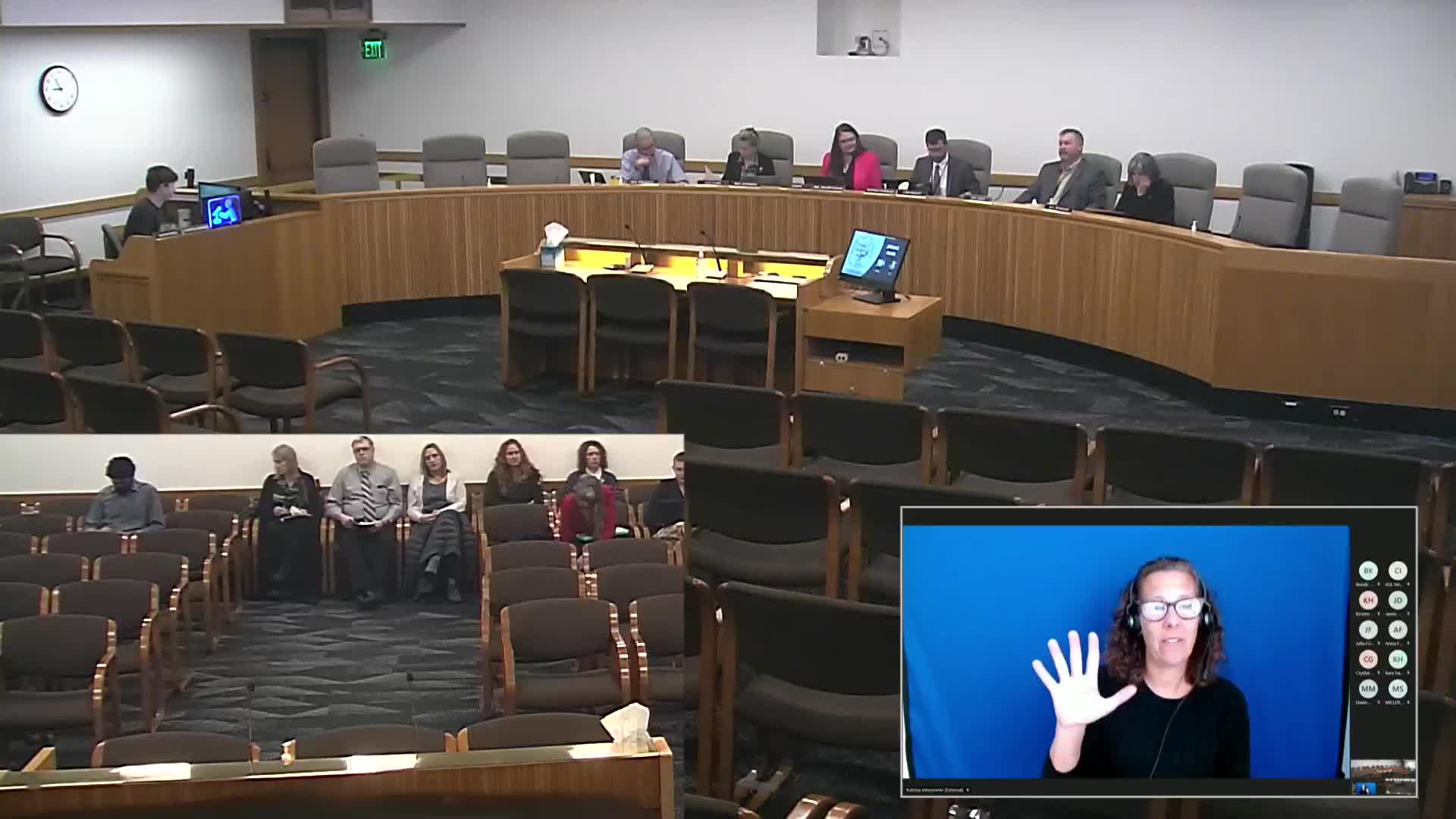
Senate Bill 1159 would transfer the Office of the Children’s Advocate from the Oregon Department of Human Services to the Office of the Long Term Care Ombudsman and expand the office’s powers to investigate and review administrative decisions.
The measure, presented in a public hearing before the Senate Human Services Committee, would preserve the office’s dedicated funding stream — a $1 surcharge on certified birth certificates — and move that statutory authority and money into the new structure. The bill also would create an advisory board modeled after the long-term care ombudsman’s board to recommend candidates for the advocate; the governor would choose one of three nominees and the Senate would confirm the appointment.
Committee members and witnesses described the proposal as intended to provide independence from ODHS. “You can’t advocate for someone against the administrative decisions of an agency if you’re an employee of the agency,” said the bill’s sponsor during the hearing, arguing the transfer is necessary so the advocate can publish recommendations and speak independently. The sponsor said the change would not give the newly placed office the authority to impose sanctions, but would align its investigative and access powers with those of other ombudsman offices.
Fred Steele, state long-term care ombudsman, described how the advisory board functions in his office and how the board acts as “a buffer” that monitors the program and can recommend removal for cause. Steele said the board identifies three candidates for the governor to choose among and that the ombudsman is not an at-will employee of the governor during the appointment term. “Our agency is monitored by the board,” Steele said.
Committee members asked how the move would affect staffing and funding levels. The sponsor said the bill would transfer existing positions and funding, and that future legislative allocations could increase the office’s capacity. The sponsor also noted an option discussed in drafting — raising the surcharge from $1 to $2 — but said the bill was written to match existing funding and leave any rate change as a separate policy question.
The committee closed the public hearing and said amendments and further work were expected on details such as oversight of critical-incident review teams and volunteer programs. No final action was taken at the hearing.
The bill’s proponents said the office’s independence would allow the children’s advocate to provide an independent voice focused on youth, including youth in detention and juvenile institutions; opponents were not recorded during the hearing. The committee indicated the measure will return for additional consideration and amendments.