Get Full Government Meeting Transcripts, Videos, & Alerts Forever!
Get email alerts on the Law Enforcement Immunity topic
No spam. Unsubscribe anytime.
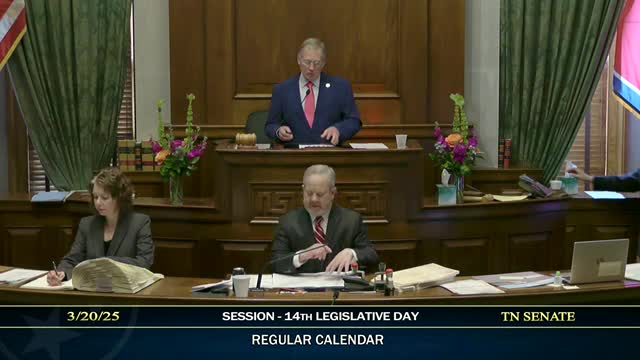
Senate debate examines proposed civil immunity for officers; sponsor rolls bill to Thursday
Summary
Senate Bill 280, which would grant civil immunity for officers when a person inflicted injury or damage and subsequently was convicted for resisting arrest, drew sharp questioning on limits and was postponed to Thursday next at the sponsor's request.
Senate Bill 280, a bill that would bar certain civil liability claims against law enforcement officers who inflict property damage or personal injury while performing official duties when the person later is convicted of resisting arrest, prompted extended floor debate and constitutional concerns before the sponsor asked to roll the bill to Thursday next.
Senator Jackson, the sponsor, said the bill would make an officer "not be civilly sued" for injury or damage if the injured party was convicted of resisting arrest. He added the immunity would not apply if the officer acted outside training or used excessive force.
Senators questioned what gap the bill would fill given existing legal protections. Senator Sara Yarbrough noted existing doctrines such as qualified immunity and asked the sponsor to identify specific liability instances the bill addresses. Senator Giarbor said the measure risked creating civil immunity in cases where constitutional rights had been violated and cited past Tennessee cases in which excessive force led to criminal prosecution; he said such officers should not become civilly immune. Senator Yeager defended the bill as a measured protection for officers performing duties and said it did not "condone or endorse excessive or unnecessary damage."
After debate, Senator Jackson requested the measure be rolled to Thursday next and the Senate agreed without objection. The bill did not receive a final vote on the day; the sponsor indicated he would return with clarifications.
Because the proposal would change civil-liability exposure for officers, several senators urged additional drafting and legal review to clarify whether criminal liability or proven constitutional violations would remain subject to civil suits. The sponsor acknowledged uncertainties in the legal landscape and indicated he was not an attorney for some questions raised about interaction with existing case law.
The Senate's action was a postponement; the bill will be taken up again on Thursday next.