Get Full Government Meeting Transcripts, Videos, & Alerts Forever!
Get email alerts on the Building Permits topic
No spam. Unsubscribe anytime.
City reports building-permit surge in 2022; department shifts more plan review in-house to retain fees and speed turnaround
Summary
City staff presented a four-year summary of building permits and project costs: a spike in 2022 tied to post-COVID activity, a reduced third-party plan-check reliance and a shift to in-house plan review to accelerate processing and retain fees locally. Staff also noted several active development projects.
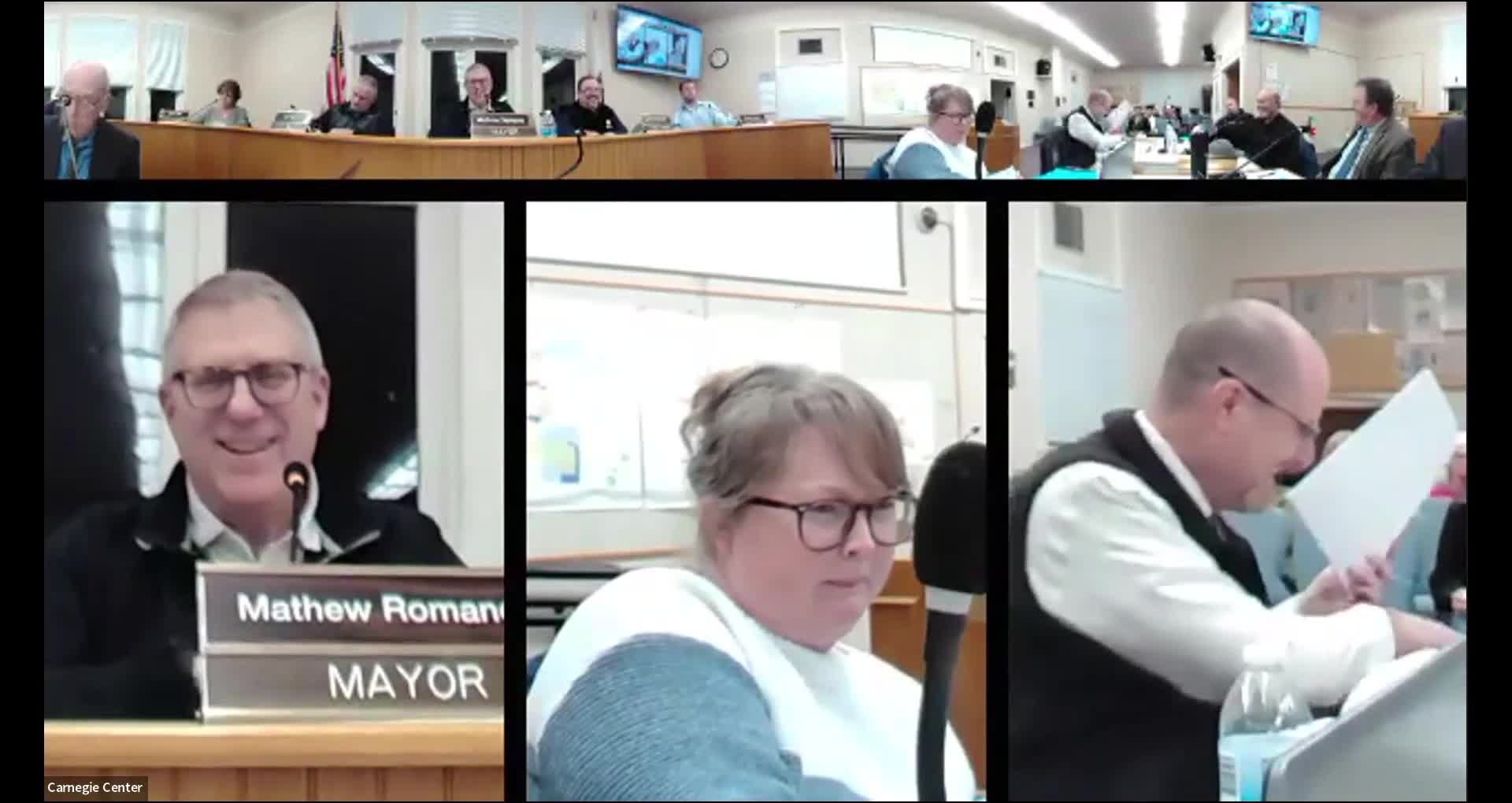
Orlandbuilding officials presented the departmentannual report on Feb. 4, reporting a spike in permits and project costs in 2022 and a recent shift toward in-house plan review to shorten turnaround times and retain fee revenue.
Building official Nicholas Paxton (introducing himself and the department numbers) summarized permit counts from 2021 through 2024, noting a pronounced increase in 2022 tied to post-pandemic construction and solar projects. Project valuations rose in 2022 and leveled off through 2024. Paxton said bringing plan checks in-house reduced plan-review fees charged by external vendors, speeded contractor start times and returned more operating revenue to the local building department. He described faster permit processing for commercial and residential projects and said the department plans to continue capturing plan-check work locally while maintaining emergency and rapid review capacity for priority projects.
Active projects highlighted included residential subdivisions (Chiphausen/West Haven Village), larger solar installations, a Pilot Travel Center and other commercial upgrades. Paxton said improved permit tracking and closing of old records would also increase assessed revenues tied to completed projects.
Why it matters: Faster plan review and local retention of plan-check fees help reduce contractor wait times and put more operating dollars into local department budgets. The report also informs council budget discussions because building-permit activity drives one-time revenues and impacts staffing needs.
Next steps: Staff will continue to refine permit-tracking, close out old permits to recapture unassessed fees and monitor project valuations to inform future budget work.