Get Full Government Meeting Transcripts, Videos, & Alerts Forever!
Get email alerts on the Special Events topic
No spam. Unsubscribe anytime.
Neighbors complain about circus tent lighting and noise; commission asks staff to draft standards
Summary
Residents told the Orland Planning Commission that a temporary circus tent placed next to Benson Drive caused bright lights, loud music and days-long disturbance. Staff acknowledged gaps in the cityspecial-event permit and the commission asked staff to return next month with proposed parameters for notification, buffering and time/manner limits.
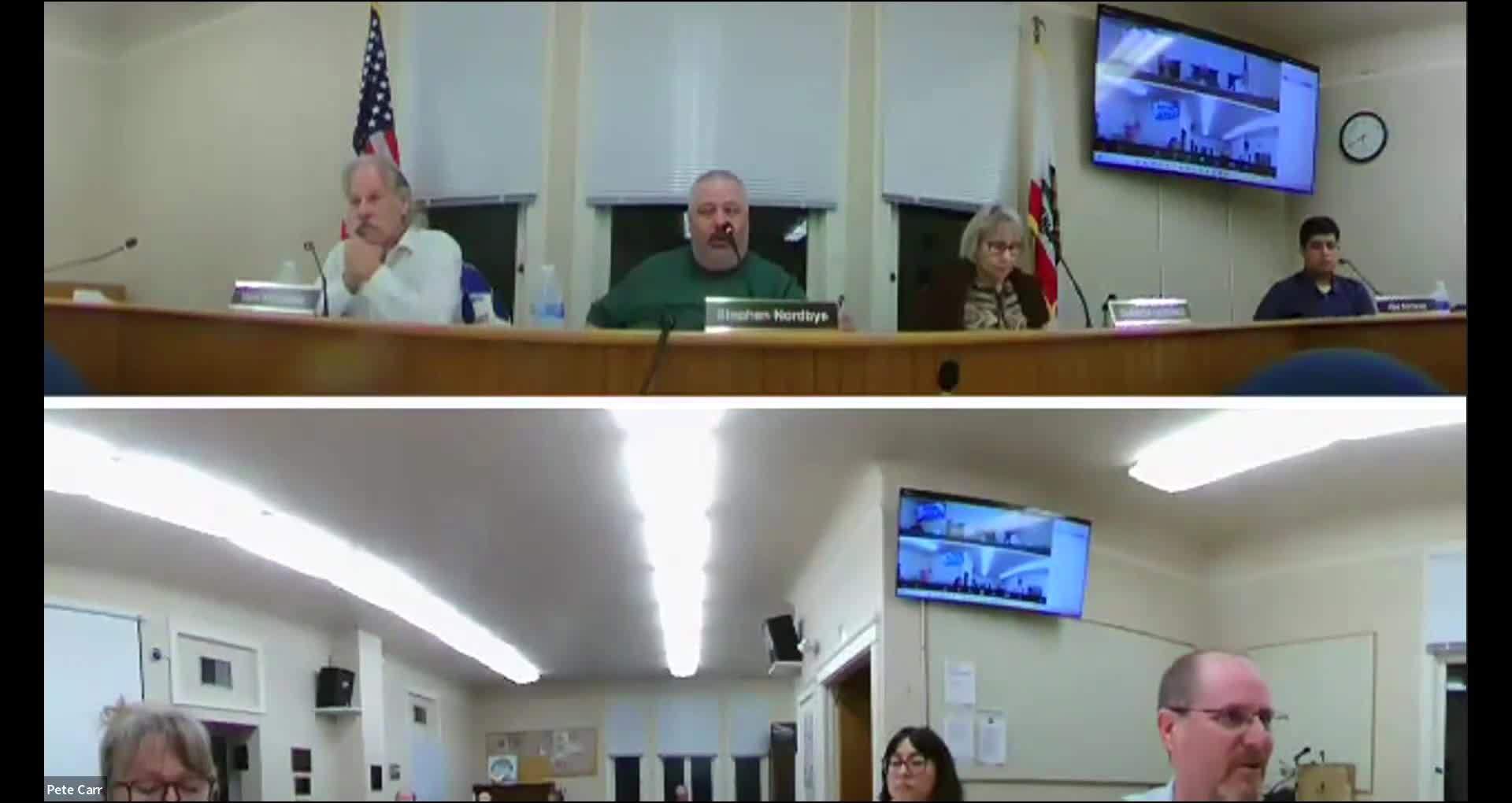
OrlandPlanning Commission members on an unspecified date heard from a Benson Drive resident about a temporary circus-style tent sited next to a residential neighborhood that produced bright lights, loud music and several days of disturbance.
The resident, Mike Lisonbee, told the commission the tent was on-site roughly a week to eight days, that shows ran two times nightly for four nights, and that loud music and intense lighting affected at least a dozen neighbors. Lisonbee said neighbors were not notified in advance and several residents signed a statement to the city describing sleep disruption, bright lights in backyards and difficulty waking early for work.
Commission staff acknowledged the citys special-event permit historically focused on public-safety signoffs (police, fire and public-works) and did not contain detailed standards for notifying nearby residents, buffering events from adjacent homes, or setting firm limits on lights and amplified sound. Planning staff said the special-event application has been revised to add more departmental review but that the municipal code lacks specific time, distance and notification standards.
During discussion commissioners and staff described a range of possible fixes, including adding minimally burdensome checklist items to the special-event application (distance-to-residential thresholds, required lead time for notification), tiering requirements by event size, and simple time/place/manner rules such as lights-off and an evening noise cutoff. Staff noted state law still requires some public notices to appear in a newspaper and that publication schedules complicate short-notice reviews.
The commission directed staff to research local examples, consult with the county fairgrounds and local school district about existing practices, and return to the commission next month with a proposed set of parameters and options (application-form changes vs. municipal-code amendments). Staff said they would examine typical notice radii used by neighboring cities, sample time limits (lights off, amplified sound cutoff), and the logistics of notifying residents in a tight timeline.
The discussion did not produce a formal ordinance or final vote; instead the commission requested follow-up research and a return agenda item so commissioners can consider a draft application form and possible code changes at a future meeting.
The commission also recognized that the city had permitted the event under its current process and that the company that contracted to place the charging stations and the tent had previously entered into contracts and permits; staff and the city manager were said to be involved in follow-up with applicants.
Next steps: staff will gather sample standards from other jurisdictions, ask the fairgrounds and area schools about their event controls, and present draft parameters and an implementation recommendation at the commissions next monthly meeting.