Get Full Government Meeting Transcripts, Videos, & Alerts Forever!
Get email alerts on the Land Use Rezoning topic
No spam. Unsubscribe anytime.
Applicant says two temporary 'glamping' units sit on land he seeks to rezone; neighbors and commissioners raise concerns
Summary
Jonathan Nichols asked to rezone a 5.532-acre portion of a 77.112-acre parcel from C‑1 conservation to A‑1 agriculture. Commissioners and neighbors pressed him over two short‑term lodging units on the site and whether a special use permit is required.
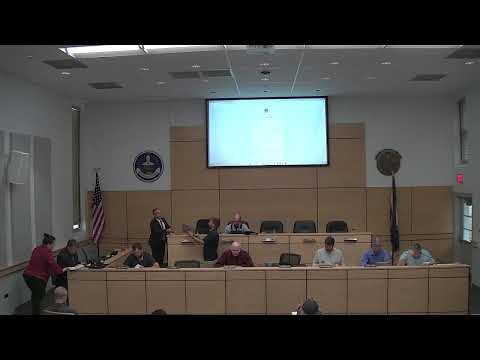
Jonathan Nichols asked the Madison County Planning Commission on March 25 to rezone a 5.532-acre portion of a 77.112-acre parcel (Madison County tax map 44-3) from C‑1 conservation to A‑1 agriculture, saying he intends to subdivide the property if rezoning is approved.
The request drew sustained public comment and questioning from commissioners because two short‑term lodging units (described in the meeting as temporary canvas “glamping” tents) sit on the parcel portion proposed for rezoning. “I actually only have 2 structures there and they're only up for about 3 to 4 months out of the year,” Jonathan Nichols said at the workshop. He told the commission the tents are removed for most of the year and that the health department had inspected the site when the tents were in place.
The commission's planning staff told the panel that under the county ordinance short‑term lodging in the C‑1 district is limited: one short‑term lodging unit is available by right in C‑1; more than one requires a special use permit, and any compensated campsite requires a special use permit or a campground permit from the health department. Commissioners pressed Nichols to clarify whether the tents are located on the 5.5-acre area he seeks to rezone; Nichols confirmed they are. Planning staff also noted a prior zoning administrator had allowed one tent as permitted by the building department but that multiple tents would trigger a special use requirement.
Neighbors and at least one resident who spoke at the workshop opposed rezoning conservation land in the valley, saying it would set a precedent and raise traffic and safety concerns on Kinderhook Road. “I'm concerned about the precedent that's being set on reclassifying conservation land in that area,” Scott Benning, a nearby resident, said during public comment, noting narrow roads and existing sight‑line and safety issues.
Commissioners and staff discussed alternatives with the applicant: carve a 10‑acre lot (an administrative subdivision in C‑1) to avoid rezoning, or remove the short‑term units from the portion to be rezoned. Commissioners also raised technical issues the applicant must address (health department soil approvals, VDOT access, exact topography and septic suitability). Planning staff said the parcel includes a small area of floodplain and steep topography that informed the original C‑1 designation.
No vote was taken at the workshop. Commissioners asked the applicant to provide clearer plats and to resolve whether the existing short‑term units would remain on the subdivided/re‑zoned acreage; staff recommended resolving the short‑term rental status before a final decision to avoid placing a rezoned lot into noncompliance with county code.
If the applicant proceeds with rezoning while short‑term rentals remain on the rezoned portion, staff indicated that the county could require a special use permit to legalize more than one unit or any compensated campsite on that parcel.