Get Full Government Meeting Transcripts, Videos, & Alerts Forever!
Get email alerts on the District Budget topic
No spam. Unsubscribe anytime.
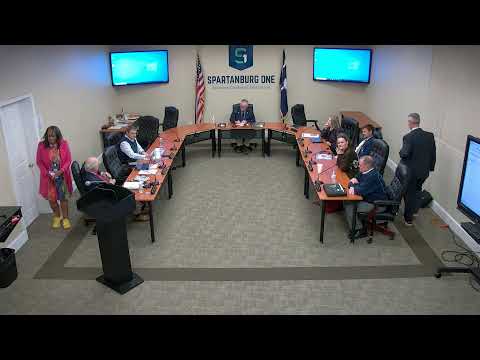
Spartanburg 1 finance staff outlines budget uncertainty as House scales back teacher raise
Summary
District finance staff compared the governor's proposed $3,000 teacher increase with a House Ways and Means $1,500 proposal, flagged a pending health insurance premium increase and set a timeline for the local budget process and public readings.
Finance staff gave trustees a preliminary update on the 2025–26 budget and the variables that will shape local decisions, including a differing teacher pay proposal in the state House and a recently announced state health-insurance premium increase.
"If you remember at our last board work session, we talked about the governor's budget request... and what came out of House Ways and Means was a little bit different," the presenter said, contrasting the governor's $3,000-per-teacher proposal with the House Ways and Means plan that included a $1,500 increase and other changes.
The presenter provided district cost estimates: a $3,000 increase would cost Spartanburg District One about $1.6 million, with the state expected to fund most of that; the House $1,500 figure would lower that local cost to about $820,000 under the presenter’s estimate. She also noted other items in the House draft, including a 2% increase in the statewide minimum bus driver schedule and a state employee health-insurance premium increase of $36.76 per month (about $444 per year), which the district said will reduce the net benefit employees receive from any raise.
Finance staff reviewed additional budget pressures and options: state-mandated step increases for teachers, optional district-wide percentage increases for other staff, employer health-insurance cost timing and one-time absorptions from ESSER funds. The presenter said maintaining the district’s goal of keeping local pay scales roughly 13% above state minimums would cost the district "just over a million dollars" under current scale comparisons.
She laid out the local budget timeline: a revenue/expenditure update at the March 24 meeting, a first reading April 21, a second reading May 12 and a public hearing plus final reading June 9.
Board members asked for clarification on school supply line items that appeared low in the current reports. The presenter said the district had consolidated many site allocations into a single administrative line this year to provide schools more spending flexibility and that she planned to restore more detailed line-item allocations next year to make month-to-month reports clearer.
Why it matters: The size of any state teacher raise and other state budget choices will affect how much additional local funding the board must find, and the timing of revenue estimates will determine what the district can finalize in its April–June budget cycle.
Next steps: Finance staff will update trustees with revenue estimates after the state provides 45-day funding numbers and will return with more specifics at the March 24 meeting.