Get Full Government Meeting Transcripts, Videos, & Alerts Forever!
Get email alerts on the History And Culture topic
No spam. Unsubscribe anytime.
Finding Our Roots museum asks Terrebonne leaders for historic markers, introduces virtual‑reality program for students
Summary
Margie Scovey, founder of the Finding Our Roots African American Museum, described a mobile museum, a new virtual‑reality program with 10 headsets, and asked the committee to consider placing a marker for local Rosenwald schools; board members expressed support.
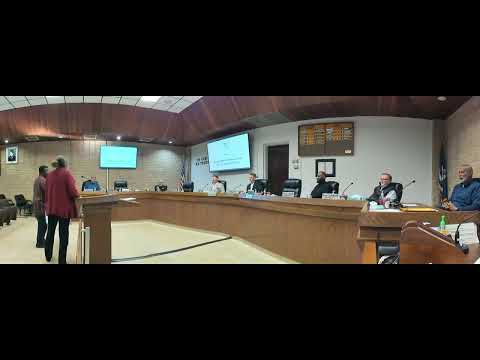
Margie Scovey, founder and president of the Finding Our Roots African American Museum, told the Education Technology and Policy Committee about her mobile museum and a new virtual‑reality program she said has reached more than 3,000 children in the region.
Scovey told the committee the museum brings hands‑on exhibits and, now, a headset‑based virtual‑reality experience that lets students “go in and they can go through those portals and learn so much about the . . . African American experience.” She said the program has 10 headsets provided by South Louisiana Bank and Synergy and that the mobile unit regularly visits schools, community sites and events in Terrebonne Parish and neighboring parishes.
The presentation included a request for Terrebonne Parish officials to place a historical marker recognizing Rosenwald schools: Scovey said the parish once had five Rosenwald schools and asked that one marker be placed with text that would acknowledge all five locations.
Board members and staff praised the program. Mister Ford, committee member, said the museum’s approach is “great” and encouraged coordination with other local groups. Mister Lagarde, committee member, suggested the program “is not just the black history. This is our history. It belongs to all of us,” and said he had visited the mobile museum. Superintendent Ocheron (spelled in transcript as Ocheron) was cited as having spoken with Scovey about booking school visits.
Scovey said the program typically keeps sessions to about 30 minutes per headset; she said a teacher can bring up to 10 students at a time to use the headsets. She also asked the committee to consider funding help so the museum can expand its school visits; she said some outside donors contribute (she cited a recurring $100 yearly donation from “Judge Funky” in the meeting) but that additional support would help reach more classrooms.
Committee members offered practical suggestions: coordination with the district’s existing shuttle service, use of the district’s professional‑development/retreat days to introduce staff to the VR content, and connecting the mobile unit with other local venues such as Gibson.
Scovey concluded by thanking the committee and naming family members in the audience who support the work.
The committee did not take a formal vote on funding during this meeting; Scovey’s presentation was informational and the board indicated general support for exploring logistics and possible accommodations.
The presentation occurred during the committee’s public‑presentation agenda item on the Finding Our Roots African American Museum.