Get Full Government Meeting Transcripts, Videos, & Alerts Forever!
Get email alerts on the Residential Parking topic
No spam. Unsubscribe anytime.
Huntersville staff outlines options for residential parking zone, highlights costs and petition thresholds
Summary
Town staff presented a proposal framework for a residential parking program, describing study requirements, petition thresholds, enforcement options and unresolved costs; commissioners asked about guest access, owner vs. renter eligibility and oversight.
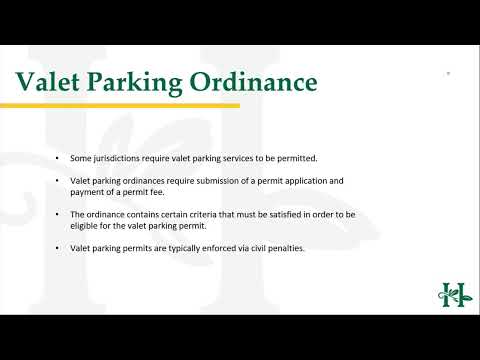
Miss Sleep, a town staff member, presented a brief overview of two ordinance options the board asked staff to research: a residential parking program and a valet parking ordinance, and described legal authority and typical elements of a residential parking law.
The presentation explained why the town could regulate on- and off-street parking, citing “1 68 3 0 1” as the statutory authority referenced and noting a U.S. Supreme Court case that the presenter said upholds the constitutional validity of controlled residential parking regulations. Miss Sleep said the first step for a residential parking program in many jurisdictions is a feasibility and desirability study before a zone is created.
The study, she explained, could be initiated by residents or by the governing board and would use criteria the board would set in the ordinance to decide whether a proposed zone should be created. She listed practical questions the town would need to resolve in the ordinance: who may request a study, whether the petition-signature threshold to request a study should match the threshold to create a zone, who performs the study (in-house engineering/public works versus a contracted consultant), and whether the town should charge a fee to cover study costs.
Miss Sleep summarized practices from nearby cities: Raleigh (presentation referenced a petition threshold of 70% in one slide and later said 78%), Durham (a majority of residents on lots abutting the proposed zone), and Charlotte (threshold not specified in the presentation). She emphasized the need for a verified petition form and verification process, noting the town would need to confirm signatures come from people who live in the proposed zone.
On implementation, the presenter said the town would need signage, updates to the town’s official traffic map (housed in the town clerk’s office and overseen by engineering), online information and outreach. She recommended annual permit renewal to help cover ongoing program costs and noted most jurisdictions now use license-plate–based enforcement instead of decals; she said, “most of the jurisdictions have switched over to a license plate reader system instead of having the decals.”
Regarding enforcement, Miss Sleep said jurisdictions commonly use civil penalties for permit violators, especially repeat offenders, but that other enforcement models exist. She also raised exemptions the ordinance could provide, such as temporary allowances for large nearby events and emergency-vehicle exceptions.
Commissioner Walsh and other board members asked detailed operational questions: how petition thresholds account for renters versus owners, how guest parking or temporary visitor authorization would work, whether private amenity access (clubhouses, pools) would be affected if on private property, and which town office would administer permits and enforcement (she referenced HPD and engineering/public works as likely parties). Miss Sleep said eligibility could be drafted so owners qualify and renters could receive a permit via the owner’s authorization and that temporary guest permits are an option the town could adopt.
No formal motions or votes were taken during the pre-meeting portion on this item. Miss Sleep said staff would take initial feedback and, if the board wished, return with cost estimates and further research.
The discussion closed with staff requesting direction on whether to pursue further cost estimates and ordinance language before the regular meeting.