Granite School District projects $7 million shortfall for 2026; board to weigh cuts, levies and one‑time funds
Loading...
Summary
District finance staff told the Granite School District Board that changes in state funding and expiring one‑time dollars leave a roughly $7 million gap for the 2026 budget. Staff outlined program reductions, levy headroom and deferred‑maintenance needs, and said a tentative budget will be submitted by June 1.
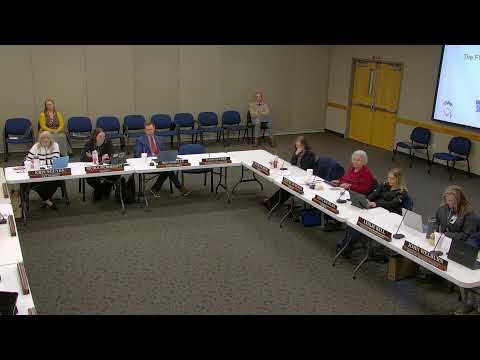
District staff told the Granite School District Board of Education on Wednesday that the district faces an estimated $7 million shortfall for the 2026 budget year driven by state legislative changes, expiring one‑time funds and rising costs.
At a board study session, a district finance presenter said a state statute limits employer contributions to the Utah Retirement System hybrid program at 10 percent while the program’s actual cost is running about 10.8 percent, shifting roughly 0.8 percentage points of cost to employees. “So that difference, the 0.8%, is now the responsibility of the employee to pay into the Utah retirement system,” the staff member said.
The presenter said the district covered a similar gap this year with one‑time funds and now plans to use a combination of the Weighted Pupil Unit (WPU), turnover savings and other ongoing sources to reduce the direct budget impact. Staff projected they can reduce roughly $2 million from the illustrative $7 million gap through internal trimming but said the district would still need to make additional decisions about retaining programs.
Why it matters: the shortfall affects classroom programs, personnel costs, facilities maintenance and long‑term capital plans. Staff listed several programs whose funding is ending — including gang prevention, highly impacted school stipends and the last of the library‑media and nurse‑match dollars — and modeled options for using one‑time funds to continue them.
Key numbers and program impacts
- Estimated 2026 gap (illustrative): $7,000,000, if the district retained all requested programs. - Staff believes roughly $2,000,000 could be trimmed without major disruption based on internal review; further reductions would require board direction. - One‑time funding shortfall to retain listed programs: about $1,600,000 (as modeled by staff). - Other programming requests under review: roughly $3,500,000. - 1% cost‑of‑living adjustment (COLA) for employees equals about $5,000,000; a 2% or higher COLA would increase the gap proportionally. - The district expects a guaranteed $20,000,000 in state money in 2026 that would step down to $14,000,000 in following years, creating additional structural pressure in 2027 and beyond.
State legislation and revenue mechanics
Staff outlined how recent and pending state statutes affect Granite’s revenue picture. The presenter said House Bill 344 changed school‑fee law in ways that reduced the district’s anticipated school‑fee exposure from about $4,000,000 to roughly $2,000,000. Staff also described Senate Bill 37, which the presenter summarized as directing $842,000,000 in property‑tax‑collected dollars to the state general fund while requiring the state treasurer to transfer an equal amount to the State Board of Education as income tax dollars. The staff member cautioned that the accounting change could make those funds more flexible for the legislature in future years and therefore affect long‑term funding stability.
Levies, tax policy and headroom
District staff walked the board through levy mechanics and the difference between tax rate, certified tax rate and taxpayer impact. Staff said the district currently has headroom in its voted and board levies but warned that spending new levy capacity to cover recurring costs would constrain future budget flexibility.
Staff gave these levy figures as context:
- Voted levy headroom: about $61,000,000 (total available capacity described to the board). - Board local levy headroom: about $37,000,000. - Capital levy headroom: about $70,000,000.
Staff also explained that shifting dollars from one levy bucket to another can trigger truth‑in‑taxation processes even when total revenue is unchanged, because statute treats levy buckets separately.
Deferred maintenance and capital needs
The presenter said the district has a backlog of deferred maintenance the staff estimates at about $58,000,000 based on facility condition indices and ongoing capital‑maintenance funding levels. The staff described staged roofing and other projects as examples of operating in a constrained capital environment and said the district must decide how much of the deferred‑maintenance gap to address in upcoming budgets.
Next steps and process
Under statute, the superintendent must submit a tentative budget by June 1. The presenter said staff will incorporate board feedback and return proposals in study sessions and budget negotiations leading to the June adoption hearing. Staff also said they had briefed the governor’s office and some legislators on the district’s fiscal impact following the legislative session and plan further outreach.
The board’s choices include trimming programs now, using one‑time funds to bridge specified programs for another year, adjusting tax policy (which could shift costs to homeowners), or preserving services while accepting tighter capital and levy headroom in future years. The presenter emphasized that some costs are ongoing — such as substitute pay for expanded paternity and postpartum leave and any personnel added for a school‑safety guardian model — and therefore require decisions about ongoing revenue sources.
The board did not take any formal votes during the session; staff said they will develop a tentative budget to present at the required June 1 deadline.