Get Full Government Meeting Transcripts, Videos, & Alerts Forever!
Get email alerts on the School Staffing topic
No spam. Unsubscribe anytime.
Principals press for more teachers, aides and program conversions; committee weighs enrollment-dependent requests
Summary
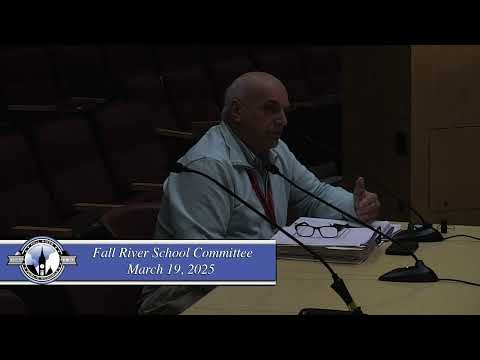
Multiple elementary and K–8 principals presented staffing requests linked to enrollment and ELL needs; committee debated moving some positions to "enrollment dependent" status and whether to fund program enhancements now or later.
Principals from several Fall River elementary and K–8 schools presented staffing requests tied to rising enrollment, multilingual learner (MLL/ELL) populations and work to stabilize school operations.
At Fonseca Elementary, Principal Cobb asked to convert a wellness teacher to a grade-1 teacher, a technology position to a STEM teacher and to add a first-grade paraprofessional, citing a cohort of 50 kindergarten MLL students progressing into first grade. The committee debated whether the new MLL position should be moved from a “not prioritized” list to the district’s enrollment-dependent list; a motion to reclassify that particular ELL position as enrollment dependent failed on a roll call vote.
Green Elementary and Westall principals described large foundational/MLL cohorts and class sizes approaching 28 in some foundational classrooms; administrators and the district MLL director said state guidance no longer requires ELL teachers to provide direct kindergarten services and instead supports consultative models and classroom coaching. Principals asked the committee to consider enrollment and student needs when evaluating positions categorized as “program enhancements” versus “compliance” priorities.
Several principals said they had declined or withdrawn “wish list” requests after conversations with district administrators because they judged other schools to have greater need or to keep the district’s limited $500,000 unallocated fund available for higher-priority items.
Committee members repeatedly raised concern about rising class sizes district-wide and urged administration and principals to prioritize positions that reduce overcrowding or directly support compliance services such as special education and core instruction.
Ending
Administrators agreed to share more enrollment and program data with the committee, and several principals said they will continue to work with district staff to refine which positions should be elevated to the funded list if enrollment thresholds materialize.