Get Full Government Meeting Transcripts, Videos, & Alerts Forever!
Get email alerts on the Indecent Exposure topic
No spam. Unsubscribe anytime.
Senate committee advances bill widening Idaho indecent-exposure law to cover medically or hormonally altered breasts
Summary
The Senate Judiciary and Rules Committee voted to send House Bill 270 to the Senate floor with a due-pass recommendation after supporters said the change will give law enforcement clearer authority and opponents warned the language is vague and could target transgender and cisgender women.
The Senate Judiciary and Rules Committee voted to send House Bill 270 to the Senate floor with a due-pass recommendation after more than an hour of testimony and questions about whether the measure would close a gap in Idaho law or broaden criminal exposure of gender expression.
Representative Jeff Cornelis, sponsor of the bill, told the committee the measure would amend Idaho’s indecent-exposure statute to update the definitions of “willful” and “lewd” exposure and to make clear that breasts that have been medically or hormonally altered to appear female fall within the statute’s scope. “This simply, this bill just simply says, cover up when you're in public,” Cornelis said.
Supporters, including Nampa City Council Member Sebastian Griffin, said officers and local prosecutors have told them they lacked clear statutory authority to act in some recent public‑park incidents. “We have seen individuals exposing themselves in front of children,” Griffin said, recounting an event at Lakeview Park. He told the committee that local police had told him the conduct could not be prosecuted under current language and that adding the clarification would give law enforcement “footing” to act.
Opponents said the bill’s language is vague and risks criminalizing ordinary conduct or enabling bad‑faith complaints. “A cisgender man and I, a proud trans man, could stand in the same place with a chest that looks the same, and only one of us would be at risk for criminal charges,” former Senator Nixon Matthews said. Rachel Pierce, a Boise resident, testified that the bill “equates breasts and representations of breasts to genitalia” and called the measure an “unsubtle attack directed at the transgender and LGBT+ community.”
Representatives of the Idaho Family Policy Center and other supporters said the statute still requires lewd intent for criminal liability. Edward Clark, a policy assistant at the Idaho Family Policy Center, told the committee the bill “requires that the exposure would be lewd conduct,” and said incidental or non‑sexual shirtlessness—“somebody having their shirt off mowing their lawn”—would not necessarily qualify.
Committee members pressed about specific phrases in the text, including a provision that would criminalize displaying “toys or products intended to resemble male or female breasts” in places where another person is present. Senator Ruck (questioner on the record) asked whether that language could sweep in items sold at private parties or retail stores; sponsors and supporters said prosecutors and police have discretion and that the drafters sought to modernize language to match current concerns.
Several senators said they were troubled by the difficulty of distinguishing developed breasts from other chest anatomy in borderline cases. Senator Wintrow said testimony from a transgender witness had raised concerns about unequal application of the law and the practical impossibility of reliably determining who might be subject to enforcement.
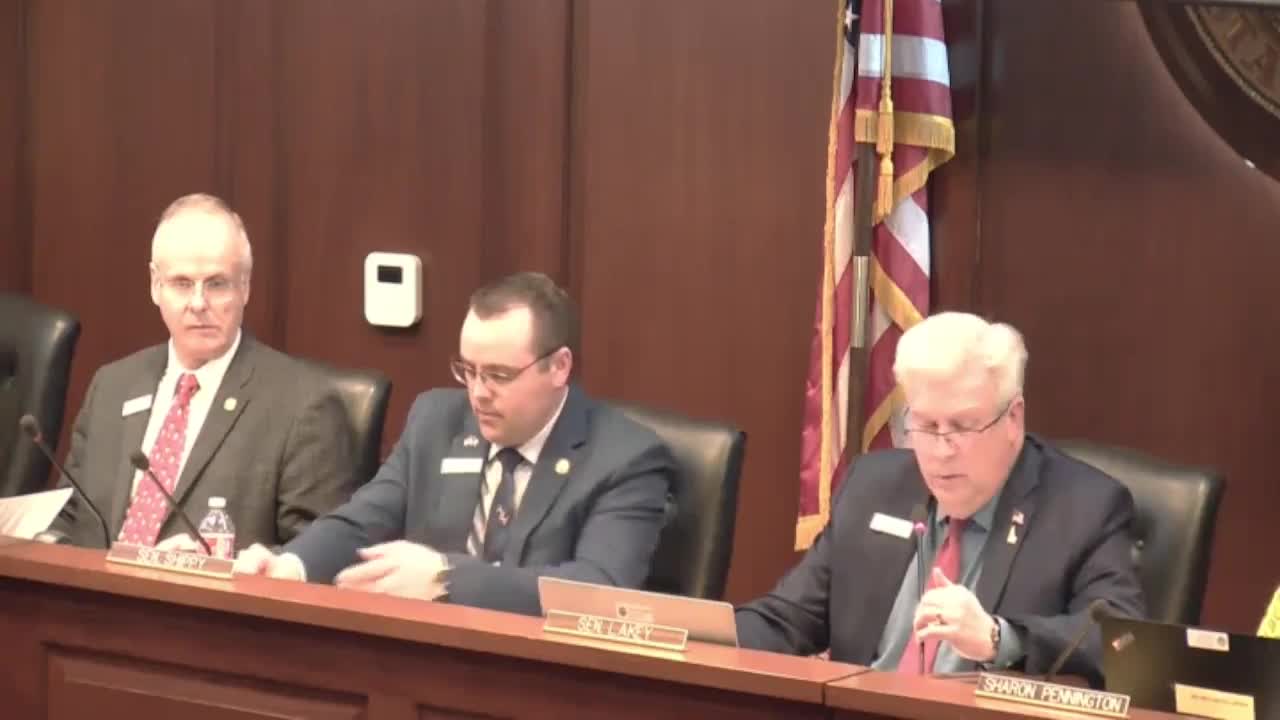
After discussion, Senator Lenny moved and Senator Foreman seconded that the committee send House Bill 270 to the floor with a due-pass recommendation. The motion carried; Senators Shippey and Wintrow recorded their votes as nay.
The bill as presented would amend Idaho Code §18‑4116 (indecent exposure) to clarify that “developed or developing female breasts” that have been medically or hormonally altered are covered when displayed willfully and lewdly in public or where another person is present. The measure’s text also removes an older “annoyed” standard that sponsors said was out of step with modern drafting.
Supporters repeatedly told the committee they sought to target “bad actors” who take deliberate, sexually provocative actions in public spaces rather than to police ordinary gender expression or breastfeeding. Opponents said the measure is overbroad and vague and warned of constitutional challenges and the potential for uneven enforcement.
Committee action moves the bill to the full Senate for further consideration.