Get Full Government Meeting Transcripts, Videos, & Alerts Forever!
Get email alerts on the Crna Scope Liability topic
No spam. Unsubscribe anytime.
Committee advances bill to codify CRNA scope and limit physician liability
Summary
Senate committee recommended due pass for House Bill 289, which would clarify certified registered nurse anesthetists' scope of practice, reaffirm their autonomous role in Idaho and limit physician liability when CRNAs provide anesthesia care; supporters said the change protects rural access and reduces insurance costs.
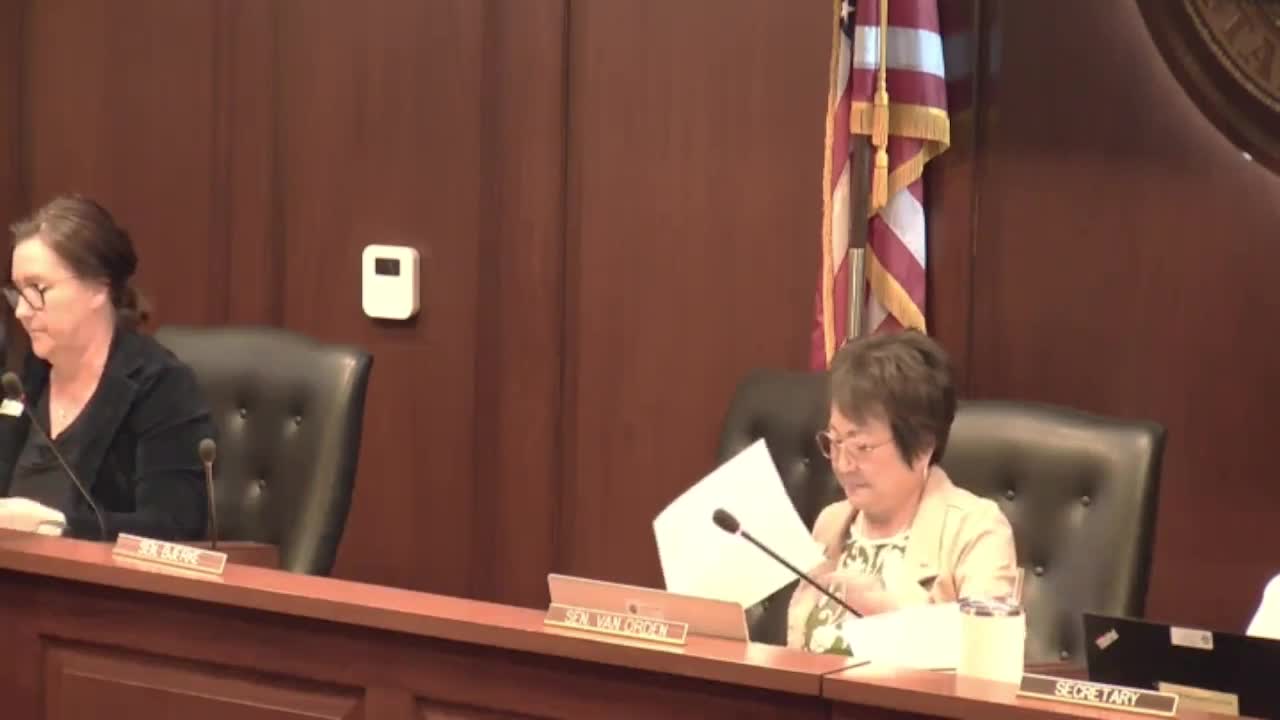
The Senate Health and Welfare Committee voted to send House Bill 289 to the Senate floor with a due-pass recommendation. The bill would codify the scope of practice for certified registered nurse anesthetists (CRNAs) and clarify liability protections for surgeons and facilities when CRNAs provide anesthesia services.
Sponsor Senator Carl Bjerke told the committee the legislation "clarifies the scope of practice responsibilities and liability protections for certified registered nurse anesthetist CRNAs in Idaho" and reaffirms independent practice that has been recognized in Idaho since 2002. Maria Conan, president of the Idaho Association of Nurse Anesthesiology and a practicing CRNA, said CRNAs provide "safe, high quality, cost effective care in every setting where anesthesia is delivered" and noted that codifying the practice helps control insurance costs and preserve access in rural counties.
Shad Westover, a CRNA and program director involved with Idaho State University's nurse anesthesia program, told the committee CRNAs are trained to the same professional standards as physician anesthesiologists and that clarifying liability reduces barriers to competition and keeps costs down. "CRNAs provide professional anesthesia services for a vast majority of the rural hospitals and surgery centers within the state of Idaho," Westover said. Proponents framed the bill as preserving rural access to anesthesia care by reducing potential liability concerns for surgeons and facilities.
Senator Harris moved the motion to advance the bill; the motion carried on a voice vote recorded in the transcript. No formal roll-call tally appears in the hearing record.