Get Full Government Meeting Transcripts, Videos, & Alerts Forever!
Get email alerts on the Hoa Governance topic
No spam. Unsubscribe anytime.
Senate committee sends HOA turnover bill to the floor with a due pass
Summary
House Bill 361, which prescribes staged developer‑to‑homeowner turnover of homeowners association boards and limits proxy voting, was sent to the Senate floor with a due pass after testimony from builders and homeowners.
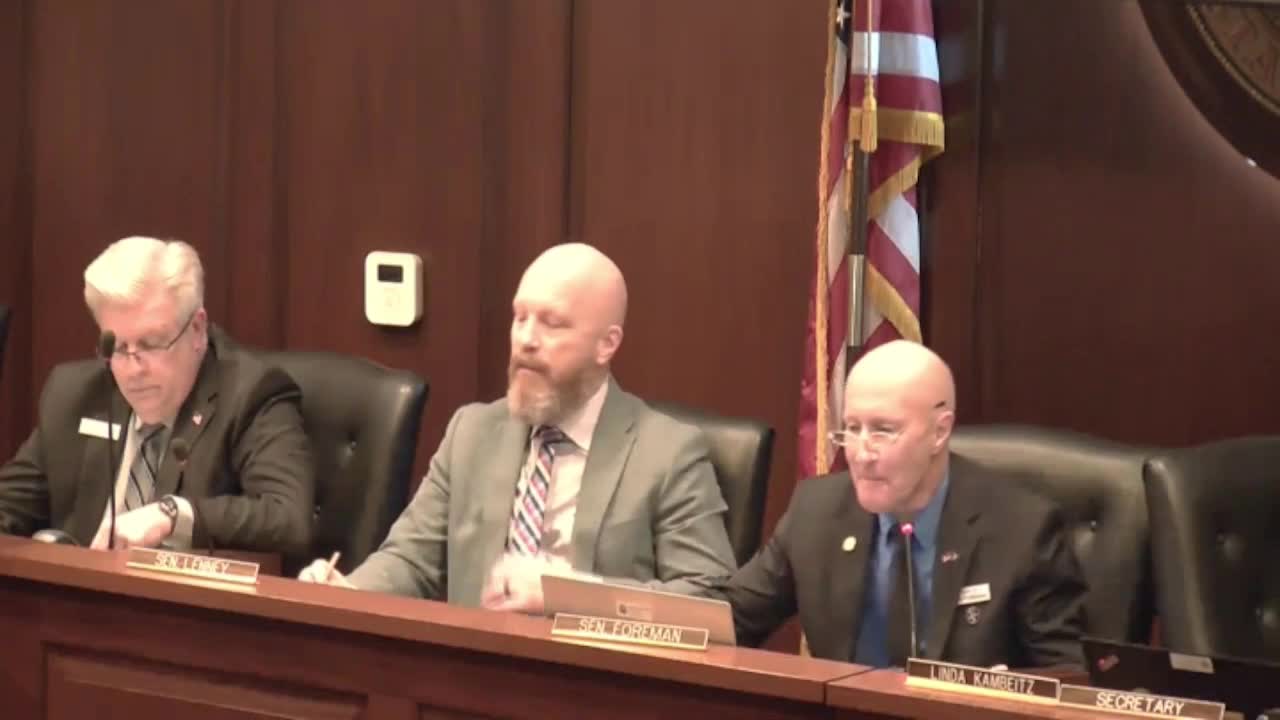
The Senate Commerce Committee voted to send House Bill 361 to the Senate floor with a due pass after hearing testimony from the bill sponsor, a home‑builders representative and a homeowner who opposed the measure.
Sponsor Senator Craig Berndt told the committee the bill requires developers to offer one‑third of homeowners association board positions to owners within 180 days after 75% of lots are conveyed or built out, and to begin full turnover to homeowner control within 12 months after 95% of the development is built and occupied. The draft also would cap proxy voting so no single homeowner could hold proxies representing more than 50% of total votes, Berndt said.
Ken Burgess of Veritas Advisors, testifying for the Idaho Home Builders Association, said the provision prescribes a transition of control as developments mature and that builders expect continued tweaks to Idaho’s HOA law as communities evolve. "At least from the home builders perspective, we support this bill and we would urge you to support it as well," Burgess said.
A resident, Crystal Ivy of District 14, urged the committee to oppose the bill, arguing the measure delays meaningful homeowner control until potentially many years later in long‑buildout developments. "For many large subdivisions in Idaho, this could mean a decade or more," Ivy said, and she listed concerns including fee increases, selection of management companies without competitive bidding, and limited financial transparency.
Committee members noted the bill prescribes specific trigger percentages and timelines and approved a motion to send HB 361 to the floor with a due pass. The motion to advance the bill was made by Senator Lakey and seconded by Senator Ward Engelking; the committee recorded a voice vote and the motion carried.