Get Full Government Meeting Transcripts, Videos, & Alerts Forever!
Get email alerts on the Wildfire Timber Salvage topic
No spam. Unsubscribe anytime.
Loggers and county leaders urge faster salvage of burned timber to fund road and watershed repairs
Summary
Presenters at an Idaho Senate agriculture committee hearing urged quicker salvage logging after large wildfires, arguing that bureaucratic delays reduce timber value, raise rehabilitation costs and slow infrastructure repairs in rural communities.
Adams County Commissioner Vicki Purdy and local loggers told the Idaho Senate Agricultural Committee that federal processing delays are preventing timely salvage of merchantable timber after recent wildfires and are increasing costs for rural communities.
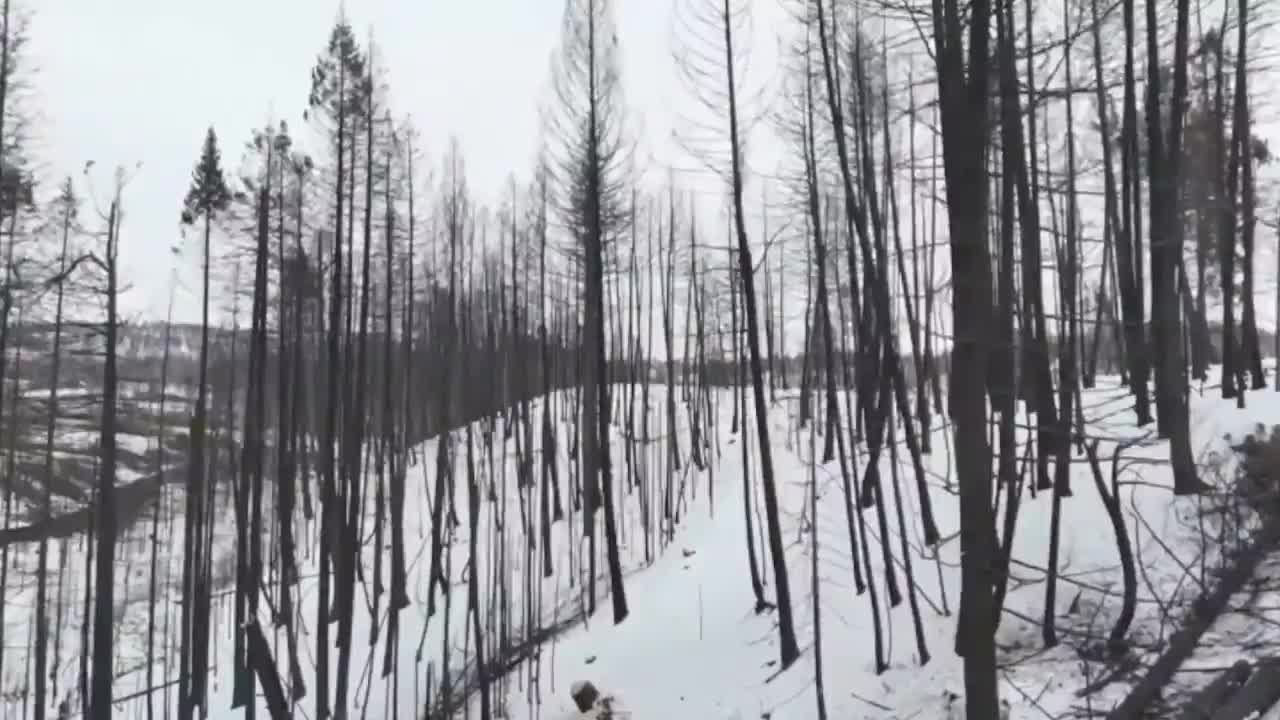
The testimony centered on why timber needs to be removed quickly after a burn to preserve market value and to generate revenue to rebuild roads and bridges lost in the fires. "We need to be salvaging this timber," said Mark Mahon, co-owner of Mahon Logging in Council, Idaho, in a video presented to the committee. Mahon described trees more than a century old and warned that delays of months to years allow insects and blue stain to render logs unsalable.
The witnesses said salvage can also reduce sedimentation risks and create a revenue stream for local infrastructure repairs. Mahon showed examples of large-diameter Douglas fir and ponderosa pine and said mills such as Bennett Lumber in Clarkston, Washington, are attempting to process burned timber. He told the committee that "if we wait 2 years on these logs, it's literally... there's no value in the logs at all."
Commissioner Purdy told members that federal paperwork and policy slow removals. She said optimistic timelines can take six months just to process salvage on federal timber and that, because of current restrictions, loggers often can work only within designated sale boundaries approved before a fire. Purdy described lost bridges and threatened county access routes in her district and argued faster salvage could help fund rebuilds without relying solely on congressional appropriations.
Witnesses described specific technical constraints: burned pine develops blue stain that lowers mill grades; bugs can spread from burned logs if material sits; and some salvage sales remain restricted to pre-existing contract boundaries. Presenters asked for policy changes to allow expedited right-of-way and roadside salvage, and more rapid authorization to harvest merchantable timber reachable from roads.
The committee heard from multiple ranchers and loggers who said timely salvage also matters for public safety where fallen timber and destabilized soils threaten roads and streambeds. No formal action was taken; the testimony was presented for committee consideration.
The committee adjourned after hearing the presentations and may consider follow-up steps on salvage policy or requests to federal land managers at a later meeting.