Eastern York School District reviews proposed 2025-26 budget; cyber-charter costs and one‑time grants flagged

Loading...

AI-Generated Content: All content on this page was generated by AI to highlight key points from the meeting. For complete details and context, we recommend watching the full video. so we can fix them.

Summary

Board and staff discussed the district's initial 2025-26 budget, highlighting an increase in state basic education funding that may not be guaranteed, higher cyber-charter tuition, a $3.2 million charter pass-through figure and planned special-education cost savings to be detailed in April.

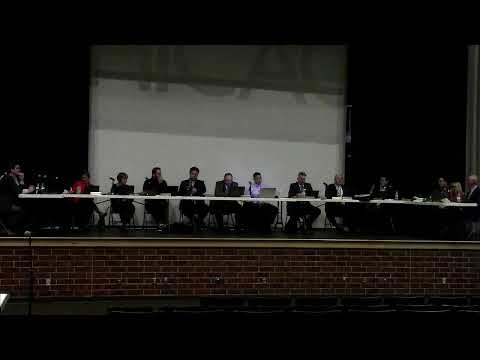
The Eastern York School District Board discussed the proposed 2025-26 budget at a board meeting, with staff outlining revenue shifts, program changes and cost pressures that could affect next year's final numbers.

District Chief Financial staff presented the budget framework, noting a temporary increase from a state "ready to learn" grant and a larger multi-year adequacy gap the district is tracking. "That $147,000 is under what we would be spread out over the $1,100,000 that our adequacy gap is in funding from the state," a district finance presenter said. The presenter added that the $147,000 is the first year of a multi-year distribution and is not guaranteed for future years.

Why it matters: board members and staff emphasized that the district must set a budget before final state numbers are settled and that some increases shown in the draft rely on grants or one-time allocations.

Board members and staff focused sustained attention on cyber-charter tuition and related funding. A presenter said the district currently spends about $3,200,000 a year on students enrolled in cyber charter schools. Board members raised concerns about how caps and program definitions could shift where costs are reported and how cyber providers might classify students to increase per‑pupil payments. "If they just create a cap on regular ed, what we'll see now is more kids and more students being given IEPs at the cyber level to then create that higher [payment]," one board member warned during the discussion.

Special education and program changes were discussed as ways to contain costs. Staff said the district is bringing some programs back from the intermediate unit because most enrolled students live in Eastern York, and they are studying personnel changes that could yield an estimated $250,000 in budget savings, with a detailed plan to return to the board in April.

Other budget notes discussed during the meeting: - Federal program revenue (Title I, II, IV) was described as totaling roughly $608,000 in the current draft; district staff also referenced IDEA (special education) funding figures in the meeting discussion. - The draft estimates an ending fund balance of about $6,000,000 as of June 30, 2025; staff described options to move portions of the general fund into capital reserve for future needs. - Cyber tuition line in the draft was increased to reflect recent tuition inflation; staff said cyber tuition rose 5% last year and 10% this year, driving the budget change.

There were no formal amendments or final votes on the budget at the meeting; staff scheduled a further operations update and a detailed special-education personnel plan for the April operations meeting.

Ending: The board set follow-up briefings and asked staff to return with itemized savings breakdowns and any changes to state funding assumptions before final adoption.