Get Full Government Meeting Transcripts, Videos, & Alerts Forever!
Get email alerts on the Surveillance Privacy topic
No spam. Unsubscribe anytime.
Committee rejects bill that would make nonconsensual tracking a harassment crime; debate centers on parents and custody
Summary
House Bill 1641 would have made using a tracking device to monitor a person without consent a form of harassment. Supporters said it would close a gap and protect victims; opponents and some prosecutors warned the bill's exceptions and parental provisions could create unintended consequences for custody disputes and routine parental tracking.
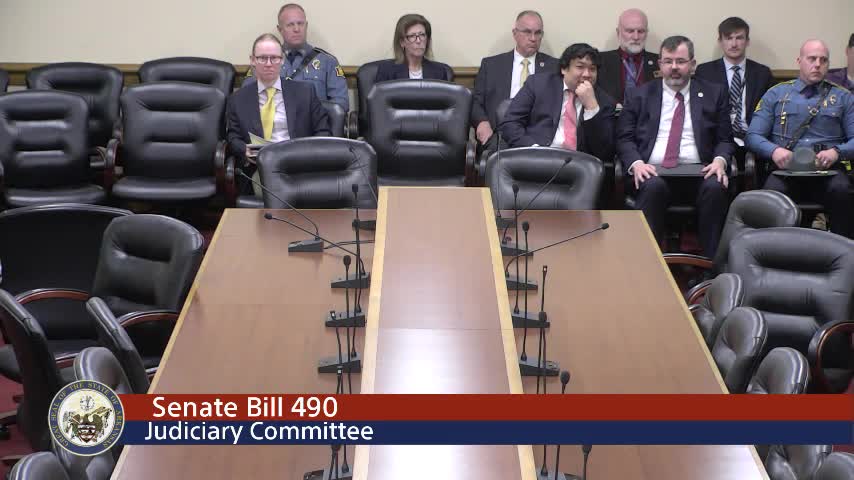
The Senate Judiciary Committee considered House Bill 1641, which would add tracking devices to the state harassment code and make it an offense to "use a tracking device to determine the location or movement of a person without that person's consent." Representative Nicole Clowney sponsored the bill, saying it stemmed from a constituent who discovered a tracking device placed on her car without consent.
Clowney told the committee the bill defines "tracking device" and makes unauthorized tracking a form of harassment while preserving exceptions for law enforcement, licensed private investigators and other authorized uses. "What we ended up doing was changing our state's harassment code," Clowney said while explaining the measure.
A major focus of committee debate was parental use of tracking technology. The bill includes language clarifying the conduct is not an offense "if a parent or legal guardian of a minor uses a tracking device to track the location or movement of the minor." Senators pressed whether that carve‑out would allow one parent to monitor a child while the child was in the care of the other parent and whether the bill would encourage domestic disputes to move into criminal court.
Prosecutors told senators they prefer the bill's existing "good cause or legal authority" framing rather than additional, prescriptive exceptions. David Etheridge, a prosecuting attorney and vice president of the Arkansas Prosecuting Attorneys Association, said the association had concerns about expanding the statute further and that "we think the bill is written appropriately because it talks about good cause."
Senators raised practical concerns about find‑my‑phone and other location features that parents commonly use, and some members said the bill as written could create unintended consequences for parents who forget to disable location sharing during custody exchanges.
Action: On a committee voice vote the motion to pass House Bill 1641 failed. Several senators voted no and the bill did not advance out of committee.
Why it matters: The bill sought to criminalize nonconsensual tracking devices, an issue advocates say is important to protect stalking victims and survivors of domestic abuse. Opponents warned the statutory carve‑outs and the parent/guardian exemption could create ambiguity in custody situations and inadvertently criminalize ordinary parental oversight.
What’s next: The bill did not pass the committee. The sponsor and interested stakeholders may choose to rework the language in a future session.