Get Full Government Meeting Transcripts, Videos, & Alerts Forever!
Get email alerts on the Juvenile Justice Trauma topic
No spam. Unsubscribe anytime.
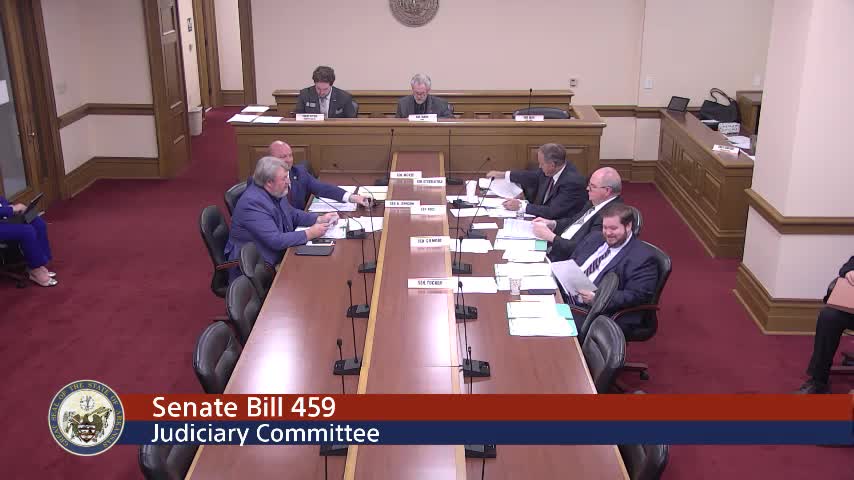
Senate pulls bill that would have required courts to weigh childhood trauma in juvenile transfers and sentencing
Summary
Senate Bill 458, which would have required judges to consider adverse childhood experiences and allowed limited deviations from mandatory minimums with prosecutorial consent, was pulled for further work after extended testimony from juvenile‑justice advocates, judges and prosecutors.
Senate Bill 458, a juvenile justice measure that would have required courts to explicitly consider childhood trauma, foster‑care involvement and human trafficking history when deciding transfers to adult court and when sentencing, was withdrawn from consideration by the sponsor after extensive testimony.
Sponsor State Senator Greg Letting and advocacy group Human Rights for Kids framed the bill as a way to ensure courts account for adverse childhood experiences (ACEs) during transfer hearings and adult sentencing. Emily Virgen, director of advocacy and government relations at Human Rights for Kids, summarized a survey of incarcerated people convicted of crimes committed as children and told the committee that many reported high rates of abuse, neglect and trafficking: "We found... staggering rates of trauma and childhood abuse," she said, and added that the average reported age of first abuse in the survey was 8.
The bill would have added ACEs and related measures to the enumerated factors judges must review during a transfer hearing and would have allowed judges to depart from mandatory minimum sentences where those experiences were discovered — but only with the prosecutor's consent.
Prosecutors objected to the proposed ability to deviate from legislatively set minimum sentences. Tom Tate, a prosecuting attorney for the Fifteenth District, said the legislature sets minimums and maximums for a reason and objected to delegating that authority in individual cases.
Juvenile judges testified that many of the factors the bill would add are already considered under existing transfer statutes. Judge Troy Braswell said juvenile courts already seek comprehensive information about a juvenile's family, education and mental‑health history, and that "what we're looking at now across the state is what you did matters ... but the other thing that we have to do to prevent them from being in the prison later on is to address the why."
Sponsor Letting told the committee he would "huddle up" with prosecutors, juvenile judges and stakeholders to refine the measure and asked the panel to pull the bill so the group could rework the language.
Action: The sponsor withdrew SB 458 for further work; no committee vote on passage was taken.
Why it matters: The bill would have added childhood trauma and ACEs explicitly to the list of factors judges must weigh before transferring juveniles to adult court and would have allowed narrow downward departures from mandatory minimums with prosecutorial consent. That could change transfer outcomes, sentencing, and access to rehabilitative services for young defendants.
What’s next: Sponsor and stakeholders will continue discussions; the bill was pulled from today's calendar.