Get Full Government Meeting Transcripts, Videos, & Alerts Forever!
Get email alerts on the City Budget topic
No spam. Unsubscribe anytime.
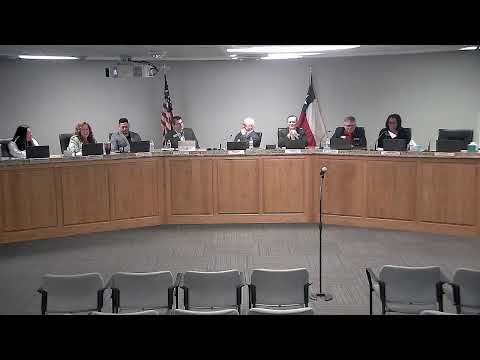
Council workshop: staff previews FY2025–26 budget, seeks priorities on assistant city manager, grants consultant and impact fees
Summary
Budget director Ariana Beckman reviewed the city’s financial position and calendar for adopting the FY2025–26 budget; city manager Ryan Havrila sought direction on creating an assistant city manager role and hiring a grants consultant to manage growing federal and state grant work.
City budget staff presented a preview of the FY2025–26 proposed budget and plan of municipal services during a March 18 workshop, asking council for policy direction on personnel and grant-administration priorities ahead of the formal budget presentation in June.
Ariana Beckman, the city’s director of budget, summarized current financials and fund balances. She showed comparisons of budgeted and actual revenue and expenses across the general fund, water and sewer, and solid-waste funds, and noted that some expenses exceeded current-year revenue because the city carried forward uncompleted purchase orders and capital projects from the prior fiscal year.
Beckman showed preliminary taxable assessed-value estimates and a roughly 3 percent increase in the tax base as of the preliminary calculation, while flagging that certified values are not final until the county appraisal districts’ certification in July. She also summarized sales-tax trends, advising staff currently projects a 3 percent sales-tax increase for budget planning.
On policy questions, Havrila sought council direction on four priorities: (1) creation and funding of an assistant city manager position, (2) advancing a development‑impact‑fee study (staff already have funding in the budget for an RFQ/consultant), (3) hiring a grants consultant to support administration of large, complex grants (for example, an EDA allocation, a State Highway 9 ramps grant and a railroad crossing elimination allocation), and (4) monitoring state legislation that could affect revenue or authority (including disabled‑veteran exemption bills and other proposals that may change revenue or annexation/development rules).
Council expressed support for pursuing a grants consultant in collaboration with the economic development corporation; one councilmember said “absolutely” when the manager asked whether staff should continue pursuing the consultant option. On the assistant city manager post, Havrila noted the position had been discussed previously and that the recent voter‑approved tax-rate change and improved revenue position make the position feasible to consider during the budget process. He cautioned, however, that staffing priorities must be balanced across departments and that council should weigh direct-services staffing against an added executive position.
Beckman said the city’s general fund fund balance is projected above the policy target of three months’ operating expenses and that ARPA funds had contributed to the larger balance in prior years; she advised council that council could choose to use fund balance for one‑time projects but must do so deliberately.
Ending: Staff will incorporate council direction into the proposed budget and return the formal FY2025–26 budget document for public hearings and adoption per the statutory calendar; staff will advance an RFQ for an impact-fee study and pursue a grants-consultant arrangement with the EDC as directed.