Get Full Government Meeting Transcripts, Videos, & Alerts Forever!
Get email alerts on the Student Athlete Nil topic
No spam. Unsubscribe anytime.
Nebraska bill would update NIL law so universities can directly participate in athlete compensation
Summary
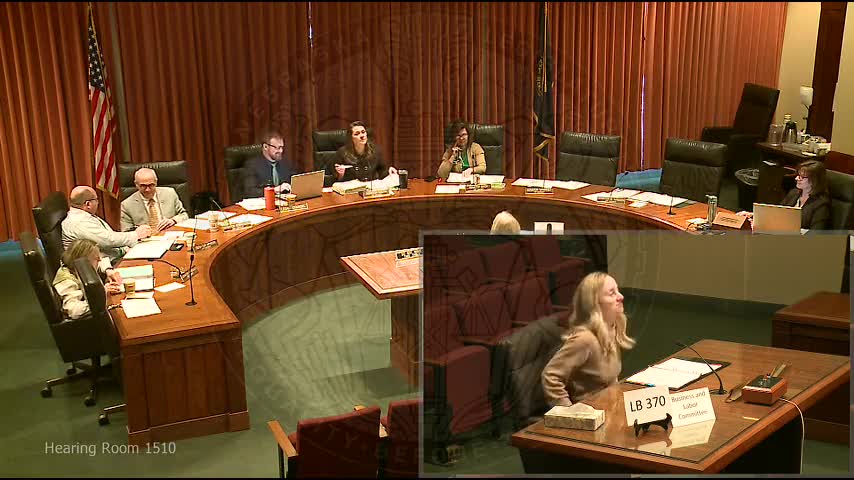
Sen. Megan Hunt introduced LB370 to amend Nebraska’s student athlete name, image and likeness (NIL) statute so universities and conferences can more clearly support and potentially compensate athletes, aligning state law with recent litigation and settlement activity affecting the NCAA.
Senator Megan Hunt introduced LB370, a bill to update Nebraska's student‑athlete name, image and likeness (NIL) law to give athletes and universities clearer authority to enter into NIL agreements and to protect institutions and athletes from penalties under conference or NCAA policies.
Hunt said the bill responds to an evolving national legal landscape, including the U.S. Supreme Court and federal litigation that changed the NCAA’s regulatory environment and a proposed nationwide settlement (House v. NCAA) that could prompt universities and states to adapt statutes so local institutions remain competitive for recruits. The bill would: adopt standards for athlete agents where no certification body exists; protect athlete speech and NIL compensation; require written NIL agreements that spell out terms and remedies; allow universities to provide education to student athletes about NIL; and prohibit the NCAA or conferences from imposing state‑law‑contrary penalties for activity authorized by Nebraska law.
Hunt told the committee she worked with the National College Players Association and University of Nebraska representatives on the drafting; she said the university was monitoring the bill and had not taken an official position for the hearing. She described the bill as intended to preserve recruiting competitiveness and to ensure Nebraska law is aligned with developments in other states that now explicitly permit athletic programs to directly participate in NIL deals and compensation.
Committee members asked whether the bill applies equally to athletes of all genders and to transgender athletes; Hunt replied the bill does not specify gender and applies to athletes generally. Senators also asked about the reach of the bill across divisions; Hunt said NIL opportunities are available to athletes from many institutions and that the statutory changes aim to remove legal uncertainty so schools and athletes are not disadvantaged in recruiting.
No formal committee action occurred at the hearing. Hunt said the University of Nebraska remains a partner in the discussions but had chosen no official position at this time while it reviewed finer details.
Why it matters: the bill would modernize Nebraska’s NIL statute to reflect recent national court rulings and settlement activity that have enabled greater athlete compensation and could expose universities that do not adapt to competitive disadvantages. Proponents framed LB370 as protecting student athletes’ commercial rights and ensuring universities can legally educate and assist athletes without risking sanctions under conference rules; the university indicated ongoing review.