Get Full Government Meeting Transcripts, Videos, & Alerts Forever!
Get email alerts on the Child Support Administration topic
No spam. Unsubscribe anytime.
Attorney General-backed bill would modernize child-support administrative processes; committee hears agency support
Summary
Senate Bill 1403, presented for the Attorney General's office, updates administrative procedures for child support cases—allowing digital notices and clarifying administrative-review timelines and agency discretions. The Attorney General's child-support team testified and the bill remains pending.
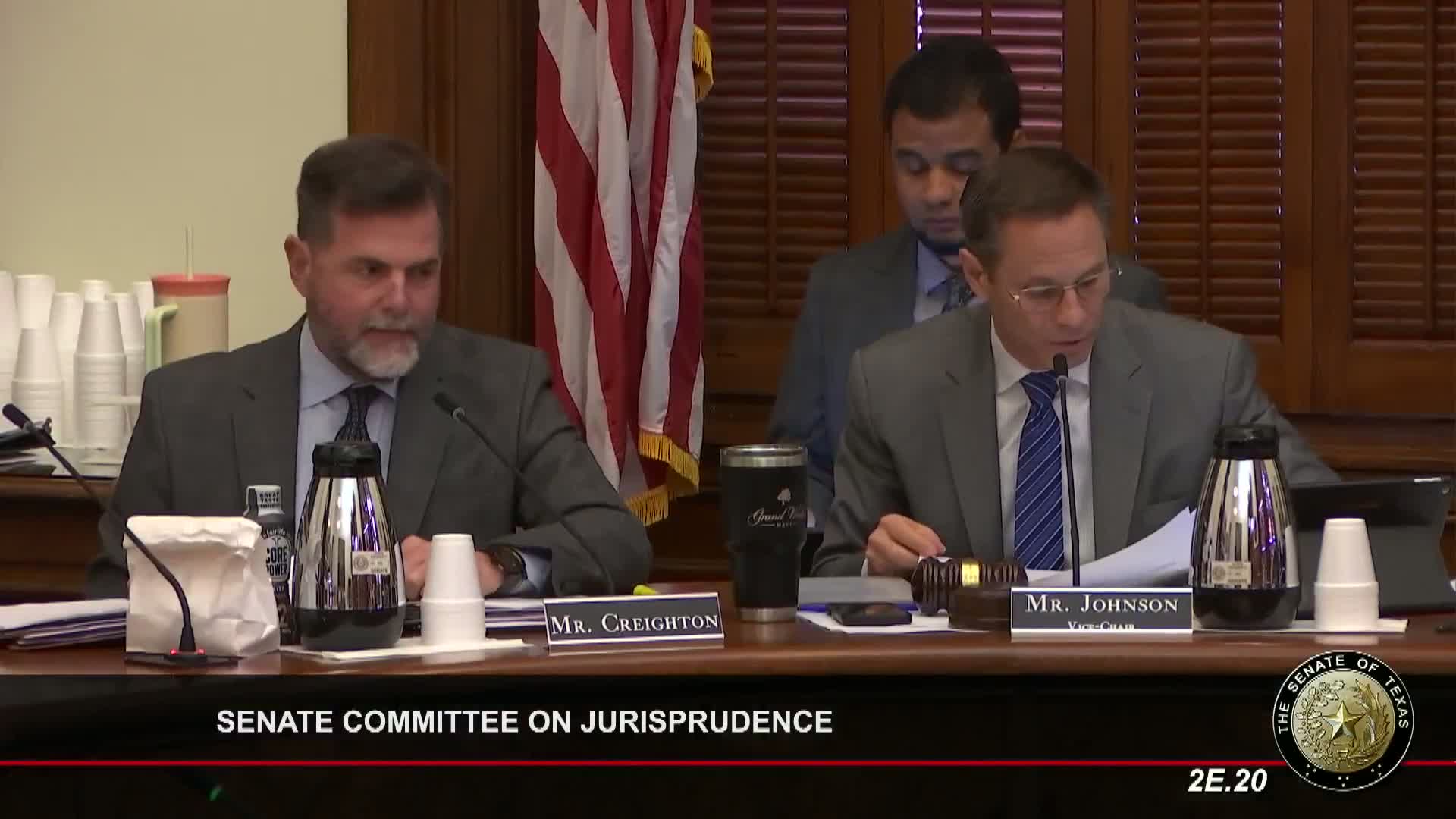
Senate Bill 1403, laid out by Senator Creighton on behalf of Senator West and the Attorney General's Office, would modernize administrative child-support processes by authorizing email and agency-website notices, clarifying review and order procedures for administrative adjustments, and codifying other administrative practices used by the child-support agency.
The bill's layout described several changes: authorizing the Title 40 agency to use email and the agency website for notices and brochures; clarifying notice language and the administrative review process for support adjustments; treating certain administrative orders as judgments for arrearage purposes; clarifying when court proceedings using remote technology are exempt from deposition prerequisites; and allowing the agency to cease enforcement in cases where an obligee is incarcerated for family violence against the child. Senator Creighton said a substitute would be provided to make technical corrections.
Joel Rogers, the Associate Deputy Attorney General for Child Support Legal Services, testified the language fits within existing retroactivity and administrative frameworks and that the modernization would help the agency meet expedited timelines and improve efficiency.
Committee discussion was largely technical and supportive; public testimony closed and the bill was left pending for further work on the substitute language.