Get Full Government Meeting Transcripts, Videos, & Alerts Forever!
Get email alerts on the Artificial Intelligence Policy topic
No spam. Unsubscribe anytime.
Sponsor frames SB 212 as light-touch framework requiring AI risk plans for critical infrastructure
Summary
Senate Bill 212 would create a state framework for private use of computational technologies and require critical infrastructure facilities that deploy decision-making AI to develop risk-management plans. Sponsor said the bill aims to preserve innovation while prompting facilities to plan for failures and human fallback.
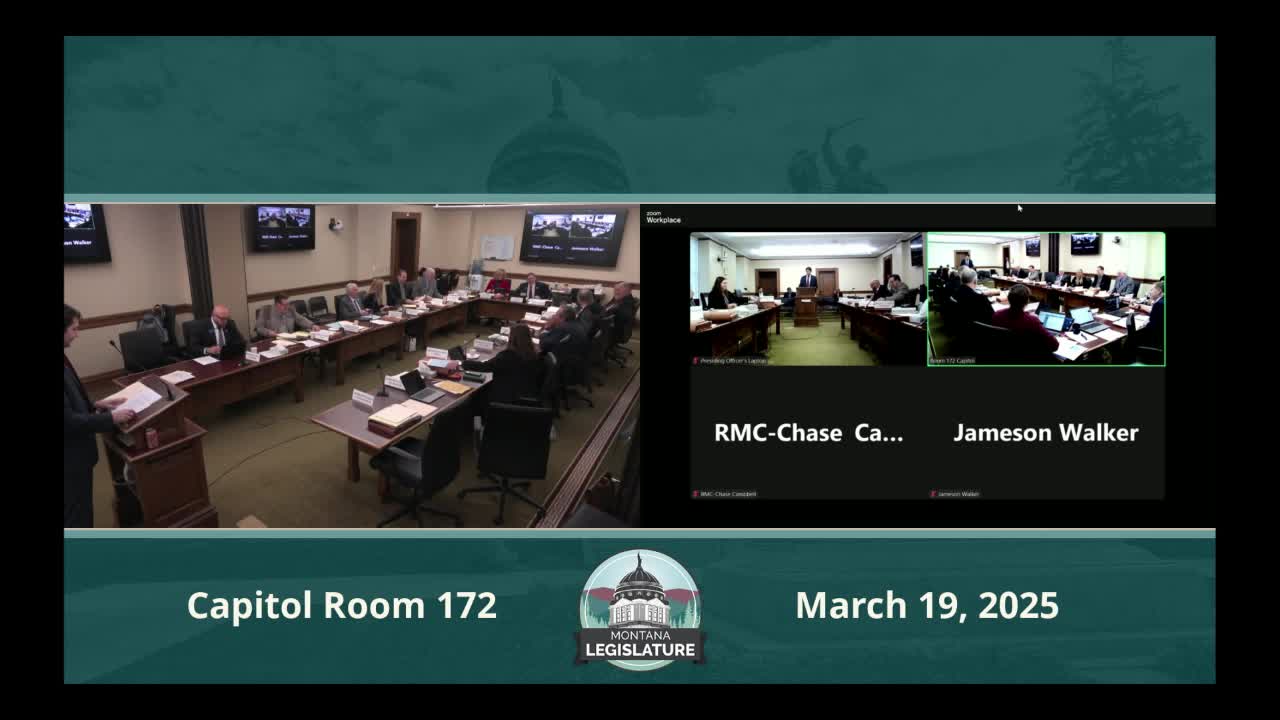
Senate Bill 212, presented by Senator Daniel Zolnikoff to the House Business and Labor Committee, would create a state policy framework for regulating private use of computational technologies including certain artificial-intelligence systems and data-center activity.
Zolnikoff said he wants a "light touch" approach that protects fundamental liberties while defining narrow exceptions for compelling government interests, such as conduct that deceives or defrauds the public, harms minors, or threatens critical infrastructure. A central provision would require critical infrastructure facilities that deploy "critical artificial intelligence systems" — the bill narrows that to decision-making systems that determine important outcomes — to develop a reasonable risk-management policy that considers the latest AI risk-management guidance and standards.
Tanner Avery of the Frontier Institute testified in support and described SB 212 as a policy intended to protect free expression and property while giving Montana a framework to address real harms and attract investment. Kevin Gilbertson, the state chief information officer, attended as an informational witness.
Committee members pressed the sponsor on the breadth of the bill and enforcement. Zolnikoff said the framework is intended to be foundational and that enforcement and more specific measures would come from subsequent legislation or existing enforcement authorities as needed. He emphasized the bill's aim: require planning, backups and human-fallback considerations where AI systems play a role in critical decision making.
Members discussed likely applications in mining, energy and other fields; Zolnikoff said the bill would not ban data centers or AI deployments but would require entities that use decision-making systems in critical roles to plan for failure modes and human intervention.
No votes were taken at the hearing. The sponsor said he would work with interested parties as bills that flesh out enforcement and specific harms are introduced later in the session.