Get Full Government Meeting Transcripts, Videos, & Alerts Forever!
Get email alerts on the Avian Influenza Vet Lab topic
No spam. Unsubscribe anytime.
House committee hears NDSU lab testing, HPAI impacts and requests for toxicology and epidemiology hires
Summary
NDSU staff told lawmakers the diagnostic lab can test for highly pathogenic avian influenza (HPAI) and discussed the financial and emotional costs of depopulation in commercial flocks. The Senate funded a veterinary toxicology resident but did not include an extension epidemiologist the agency had prioritized.
Committee members asked NDSU officials about the veterinary diagnostic lab’s role in testing for highly pathogenic avian influenza and other livestock diseases, and about requests for two positions: a toxicology resident and a livestock epidemiologist.
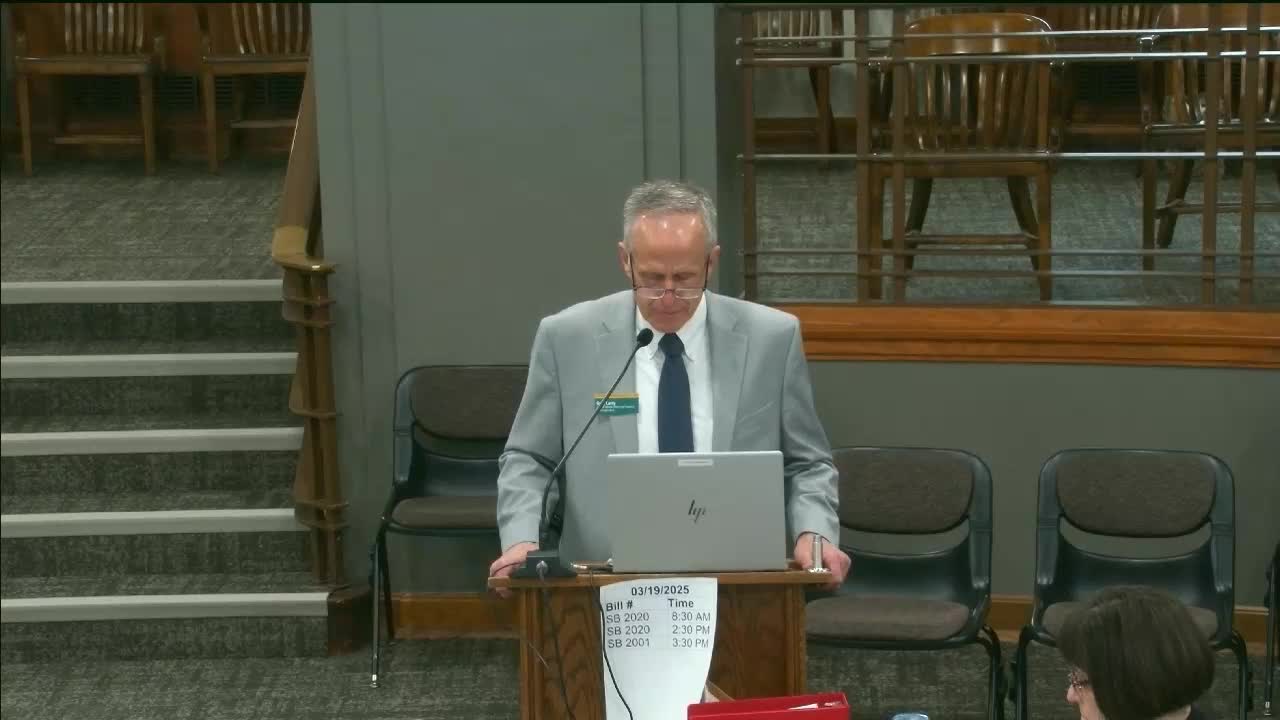
Greg Lardy told the committee the veterinary diagnostic lab does test for avian influenza and that a local non‑negative result must be reported and sent to USDA’s National Animal Health Laboratory Network for confirmation. He explained federal response practice: “the typical, procedure for the federal government when a commercial flock is infected is that they go through a depopulation of that particular flock.” He added that depopulation is followed by cleaning and sanitizing before repopulation can occur, and that depopulation imposes both financial and emotional costs on producers.
The Senate included $275,000 in its version of SB 2020 to fund a veterinary toxicology resident position at the diagnostic lab; Lardy said that position would support assays for mycotoxins, ergot and other toxins and would be located at the lab on the main campus. Lardy also described an epidemiologist request that Extension ranked highly: the epidemiologist would develop educational programs for livestock and poultry disease reduction, and help with population‑level disease studies; that epidemiology position did not receive Senate funding in the bill.
Committee members pressed for clarity about human health risk after HPAI detections. Lardy said human cases to date have been concentrated among people with underlying conditions and reaffirmed that biosecurity and education are the primary mitigation measures for commercial operations and the public.
Ending: The committee signaled interest in the toxicology and epidemiology needs and will weigh operating and hiring costs as budget negotiations continue.