Get Full Government Meeting Transcripts, Videos, & Alerts Forever!
Get email alerts on the Research And Extension topic
No spam. Unsubscribe anytime.
NDSU director outlines research, extension impacts as committee weighs budget cuts and restorations
Summary
NDSU’s Greg Lardy told the House Appropriations Government Operations Division how reductions and targeted hires in Senate Bill 2020 would affect breeding programs, county extension services and long-term research. Lawmakers questioned vacant FTEs, a 3% base budget cut and which positions the Senate funded or left out.
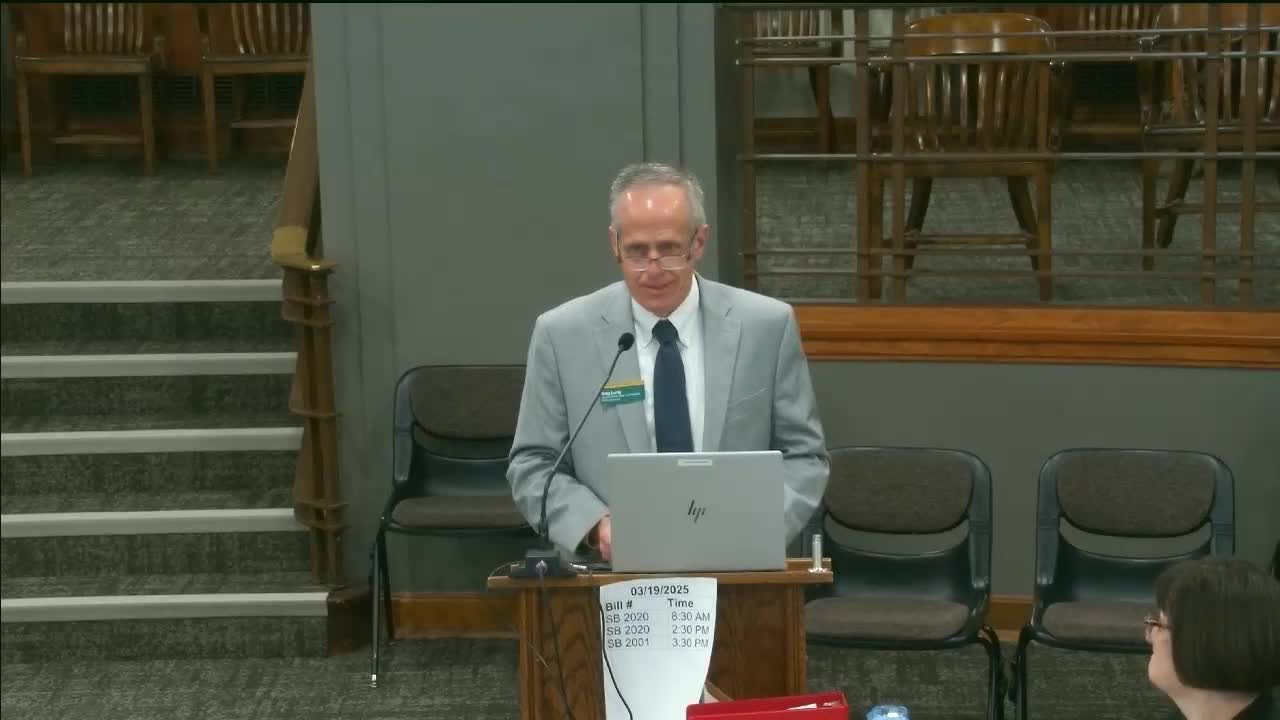
Chairman Munson and members of the House Appropriations - Government Operations Division heard a briefing from Greg Lardy of NDSU Agriculture on Senate Bill 2020, the Research and Extension appropriation package, and how proposed changes would affect the North Dakota Agricultural Experiment Station and NDSU Extension.
Lardy said the experiment station and extension hold long-term programs that underpin crop breeding, pest management and youth education. “In front of you, you have a handout that we prepared, based on the list of questions that were asked last week,” he told the committee, and he highlighted examples such as NDSU-developed Durham wheat varieties and Extension’s pesticide safety trainings.
The committee focused on three budget areas: a 3% base general-fund reduction proposed in the governor’s executive recommendation and reflected in the Senate version, removal of several long-vacant FTEs, and targeted additions the Senate included. Lardy said the 3% reduction and operating cuts would constrain the agency’s ability to respond between legislative sessions, and he asked the committee to consider restoring those general-fund dollars.
Lawmakers pressed for detail about the vacant positions the Senate removed. Lardy said the agency removed 4.98 FTEs that had been vacant more than 24 months; those included scientist and research-support positions across plant science, animal science and soils. He said units are asked every time a vacancy occurs whether a position should be refilled as previously written or repurposed to higher priorities.
The Senate added funding for a veterinary toxicology resident position but did not fund an epidemiologist that Extension ranked highly. Lardy reminded members that many hires and research efforts are stakeholder-driven and that federal grants are an important, but variable, part of the agencies’ portfolios.
Committee members also discussed recent appropriations from 2023 and how the new Field Laboratory (to be completed in 2026) and other facilities will shape future staffing needs. Representative Brandenburg and others said county extension agents remain critical to local programming and 4-H youth outreach.
The committee agreed to restore portions of the general fund at this stage and to carry some items forward for conference work; no formal votes on the bill were recorded during the session covered by the transcript.
Ending: Members said they will also review related requests in the extension worksheet and coordinate funding priorities for FTEs, operating support and one-time equipment or capital requests before final action.