Get Full Government Meeting Transcripts, Videos, & Alerts Forever!
Get email alerts on the Elections Primaries topic
No spam. Unsubscribe anytime.
Lawmakers debate unified primary bill as supporters press open-primary changes
Summary
The House Committee on Rules on March 19 heard extended testimony on House Bill 3,166, a bill to place all candidates for partisan offices on a single primary ballot so that nonaffiliated and party-affiliated voters alike can participate; sponsors and opponents disputed the bill's structure and implementation details.
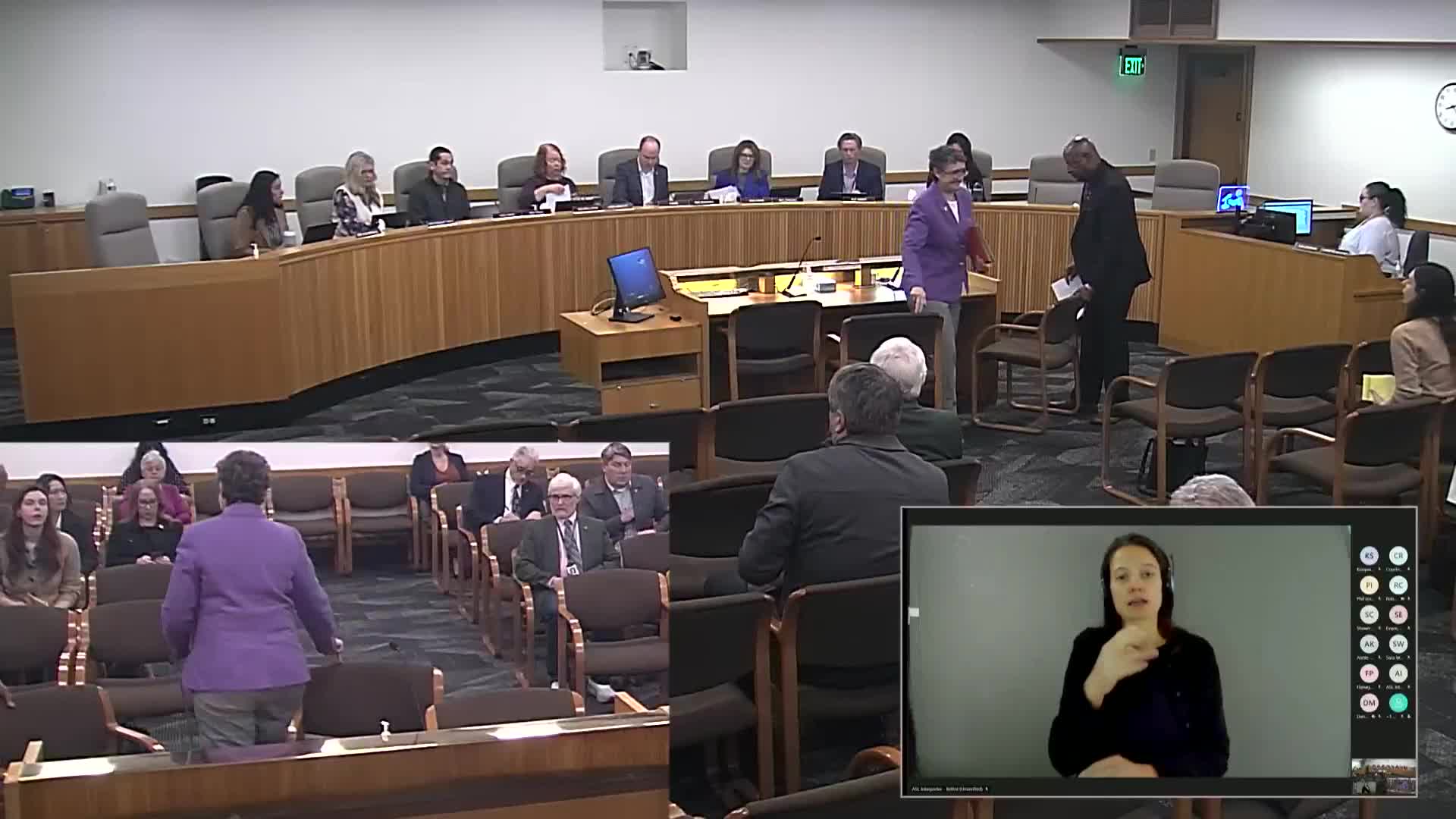
The House Committee on Rules opened a lengthy public hearing March 19 on House Bill 3,166, the "Unified Primary Act," which would place all candidates for partisan offices on a single primary ballot and advance the top finishers to the general election. Melissa, the committee clerk, summarized the base bill and a posted dash-2 amendment before witnesses offered testimony.
Representative John Lively, who testified in support, said the reform would let the large and growing number of nonaffiliated voters take part in primaries. "I believe it's time that we do something with our election system that allows more people to participate more fully," Lively said. Lively and other backers said the dash-2 amendment narrows earlier proposals (which had included ranked voting and top-five advancement) to a simpler model they say county clerks and voters prefer.
Supporters testified the change would include long-term nonaffiliated voters and younger voters who register as nonaffiliated, arguing that adding them to primary ballots will increase participation and produce nominees with broader support. Arnie Roblin, a former state senator, framed it as a fairness and engagement issue: allowing one ballot to all registered voters, supporters said, would encourage candidates to court a wider coalition.
Proponents also said the dash-2 amendment reduces implementation burdens by removing ranked- or rated-voting requirements and by keeping other technical changes out of the immediate proposal. Lani Block Wilker, an attorney with the Oregon Election Reform Coalition, said the amendment was crafted to respect county clerks and voter preferences and to preserve party endorsement roles while letting all registered voters cast a primary ballot.
Opponents urged caution. Phil Eizon, who said he led repeal efforts of ranked-choice systems elsewhere, called jungle or top-two primaries "very expensive" and pointed to Alaska and other states as examples where proponents saw unintended consequences, including reduced turnout or consolidation of incumbents. Anna Munson, who ran for county clerk in Marion County, told the committee that party labels give voters a cue about candidates' basic positions and worried open primaries would discourage party development.
Neutral and technical witnesses flagged implementation details. Preston Mann, political director for Oregon Business and Industry, said his organization was neutral but warned the dash-2 amendment could increase the importance of party endorsements. He cautioned that party leaders, not rank-and-file members, might control endorsements and that voters could misinterpret an "endorsed" label on the single ballot.
Advocates for alternative voting methods asked the committee to be explicit about vote-counting rules if the bill advances. Annie Kalin and Sarah Wolk of Equal Vote Coalition urged either clearer statutory direction or a mandated task force so the state does not leave the choice of ranked or rated voting solely to executive branch rulemaking. Supporters and several academic and civic witnesses suggested a range of alternatives from top-two to top-four or top-five advancement paired with ranked or rated general-election methods.
Committee members pressed a range of policy and practical questions: whether county clerks support the dash-2 amendment, how the bill would affect party organization and minor parties, possible costs to the Secretary of State and election administrators, and how the approach compares to open-primary models used elsewhere. Representative Bossard Davis asked whether county clerks or the Secretary of State had registered to testify; committee staff said clerks had not formally registered in favor or opposition but that sponsors had consulted some county clerks.
Committee members also raised demographic figures cited by witnesses: one witness said nearly 1.3 million Oregonians (about 43 percent of registered voters) are nonaffiliated, and supporters argued that excluding those voters from primaries means a small fraction of voters can determine nominees for many offices.
The committee closed the public hearing on HB 3,166 after hearing dozens of pro, con and neutral witnesses; no committee vote was taken and sponsors said they intend further conversations and potential work sessions to address technical and fiscal questions.
Ending: The committee adjourned the HB 3,166 hearing and moved to the next agenda item without taking action on the bill.