Get Full Government Meeting Transcripts, Videos, & Alerts Forever!
Get email alerts on the Redistricting topic
No spam. Unsubscribe anytime.
Committee reviews bill to count incarcerated Oregonians at home addresses for redistricting
Summary
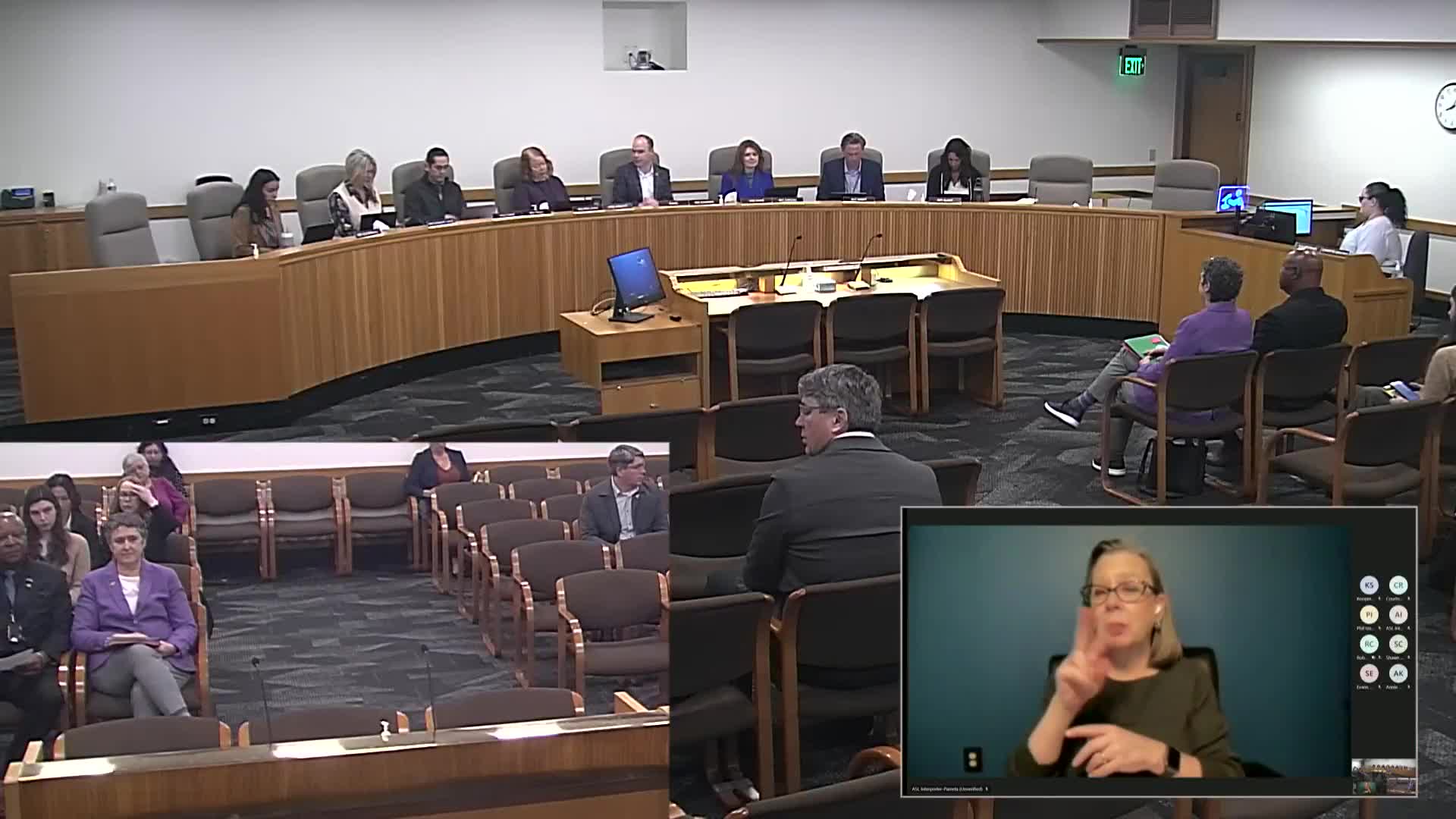
The House Committee on Rules opened a March 19 public hearing on House Bill 2,250, which would require the Department of Corrections to record the pre-incarceration county of residence for adults in custody and share that information with the Portland State University Population Research Center to produce adjusted counts for redistricting.
House Committee on Rules Chair Bowman opened a public hearing March 19 on House Bill 2,250, which would direct the Department of Corrections to record pre-incarceration residence information for adults in custody and share that data with the Portland State University Population Research Center to help adjust census counts used in redistricting.
Representative Lisa Bridal, a sponsor of the bill, told the committee the change is meant to correct what she described as a distortion in redistricting data when people incarcerated in Oregon are counted at the location of the prison rather than at their home communities. "A basic principle of democracy is that representation is distributed equally on the population," Bridal said, arguing the bill would better align redistricting with the Oregon Constitution.
The bill would direct the Department of Corrections to record demographic information for each adult in custody, including the county of residence before incarceration, and share that information with Portland State University's Population Research Center. That center would then adjust population data reported from the decennial census to reflect a person's known resident status for use by the Legislative Assembly in drawing congressional and legislative districts.
Senator James Ivory Manning Jr., listed as a chief sponsor, said the measure seeks equal representation and noted most incarcerated people return to the communities where they came from. "If they don't have a legal residence or something like that then that's a little bit of difference," Manning said, adding the intent is to count people where they are connected to a community if that can be identified.
Committee members asked practical and legal questions. Vice Chair Drazen noted Census Bureau guidelines on point-in-time counting and pressed staff and sponsors on how the bill would treat populations the Census counts where they live on Census Day, such as college students or people in care facilities. The sponsors said the bill is intended to relocate counts only for incarcerated people where a prior residence can be identified, and they emphasized the bill would not change the way federal funding formulas are calculated.
Members also asked about edge cases: Representative Elmer asked whether people serving life sentences or Oregonians convicted in Oregon but who listed out-of-state residence would be handled differently. Sponsors said the bill intends to leave counts at the place of incarceration when a prior, identifiable community cannot be determined. Committee members asked whether the proposal would conflict with federal law; sponsors said they were not aware of a federal conflict and noted that 19 states have adopted similar approaches.
Committee members noted the Secretary of State's office had not yet testified and that the bill would be further examined with additional witnesses, including elections officials, to resolve technical questions before any decision. The committee closed the public hearing on HB 2,250 without taking a vote.
Ending: The committee moved on to the next public hearing on HB 3,166 after closing testimony on HB 2,250.