Get Full Government Meeting Transcripts, Videos, & Alerts Forever!
Get email alerts on the Higher Education Admissions topic
No spam. Unsubscribe anytime.
Committee hears bill to standardize university application process; Southern Oregon University to adopt common application
Summary
Senate Bill 396 would standardize the university application form to ease transitions from high school to higher education; Southern Oregon University confirmed it will move to the common application in time for the 2027–28 academic year.
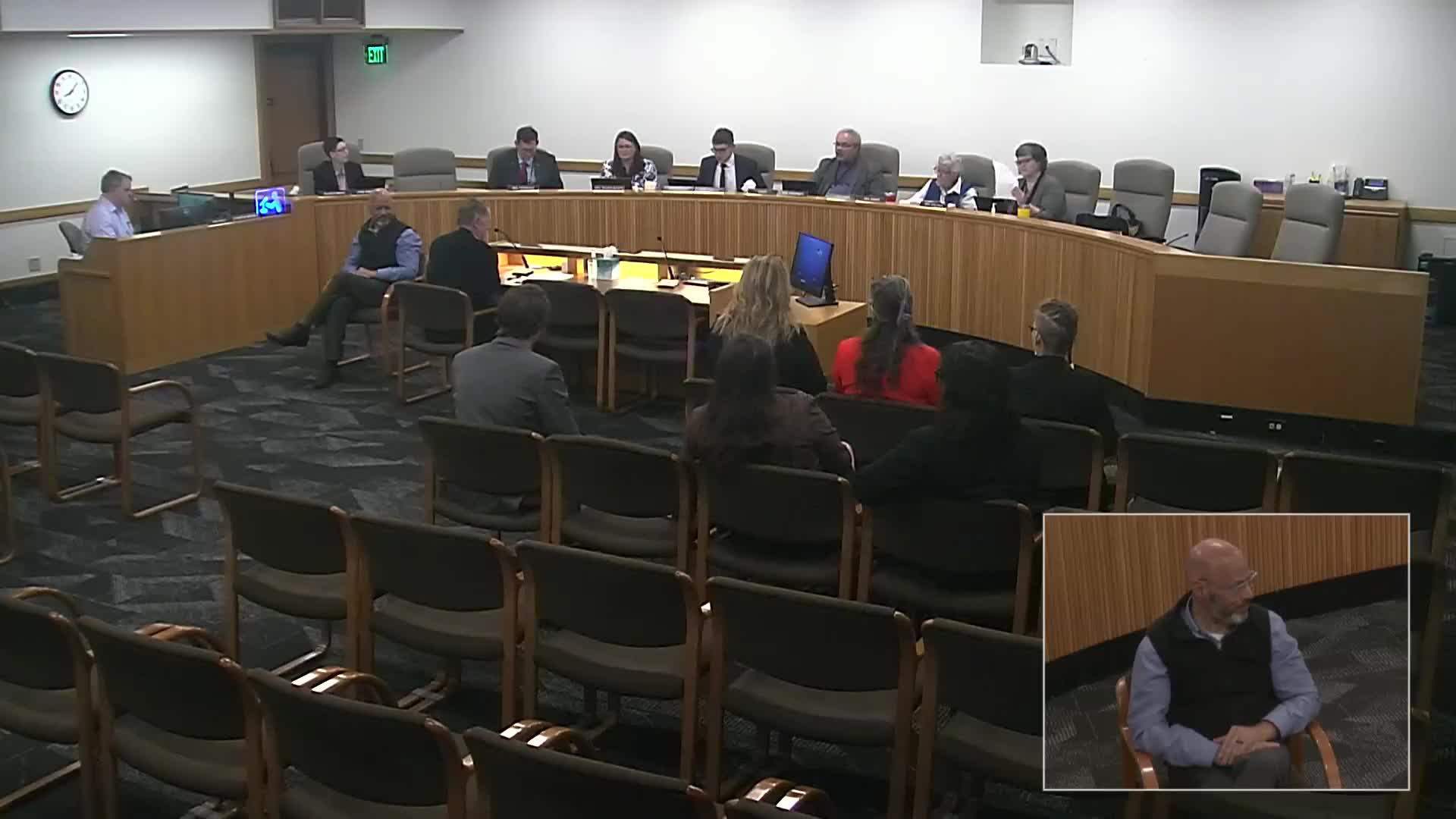
Senate Bill 396, introduced during the March 19, 2025 Senate Education Committee hearing, would standardize the college and university application form used by Oregon public higher-education institutions to make it easier for high school seniors to apply to multiple schools.
Sponsor Sen. Fred Girod said the bill aims to replace a "menagerie" of application platforms and make the application experience more seamless. Girod said he would like the approach extended eventually to community colleges and voiced additional long-term interests including credit coordination and an out-of-state student cap at 35 percent for in-state universities.
Mark Overbeck, director of government relations for Southern Oregon University, confirmed SOU's cabinet voted to adopt the Common Application and that the university will implement the change in time for the 2027–28 academic year. He said the Oregon Council of Presidents and the Statewide Provost Council were neutral on the bill and that institutions are moving individually toward a common platform.
Committee members discussed enrollment patterns for international and out-of-state students and potential budget impacts. There was no committee vote on SB 396 recorded in the March 19 transcript and the chair closed the hearing after testimony.