Get Full Government Meeting Transcripts, Videos, & Alerts Forever!
Get email alerts on the Scope Of Practice topic
No spam. Unsubscribe anytime.
Physical‑therapy scope bill would align Oregon with national practice, including imaging and title protections; physicians voice caution
Summary
Representative Kim Wallen introduced House Bill 3824 to modernize Oregon’s physical‑therapy practice act to align with national model language: authorize PTs to order/interpret imaging, certify disability placards, protect the DPT title and allow procedures such as dry needling. Proponents argued improved access in rural areas; the Oregon Medical
Lawmakers heard testimony on House Bill 3824, a measure to update Oregon’s physical‑therapy practice act to reflect recent national model language and expand certain privileges for physical therapists, including ordering imaging, certifying disability placards, protecting the “DPT” title and clarifying procedures such as dry needling.
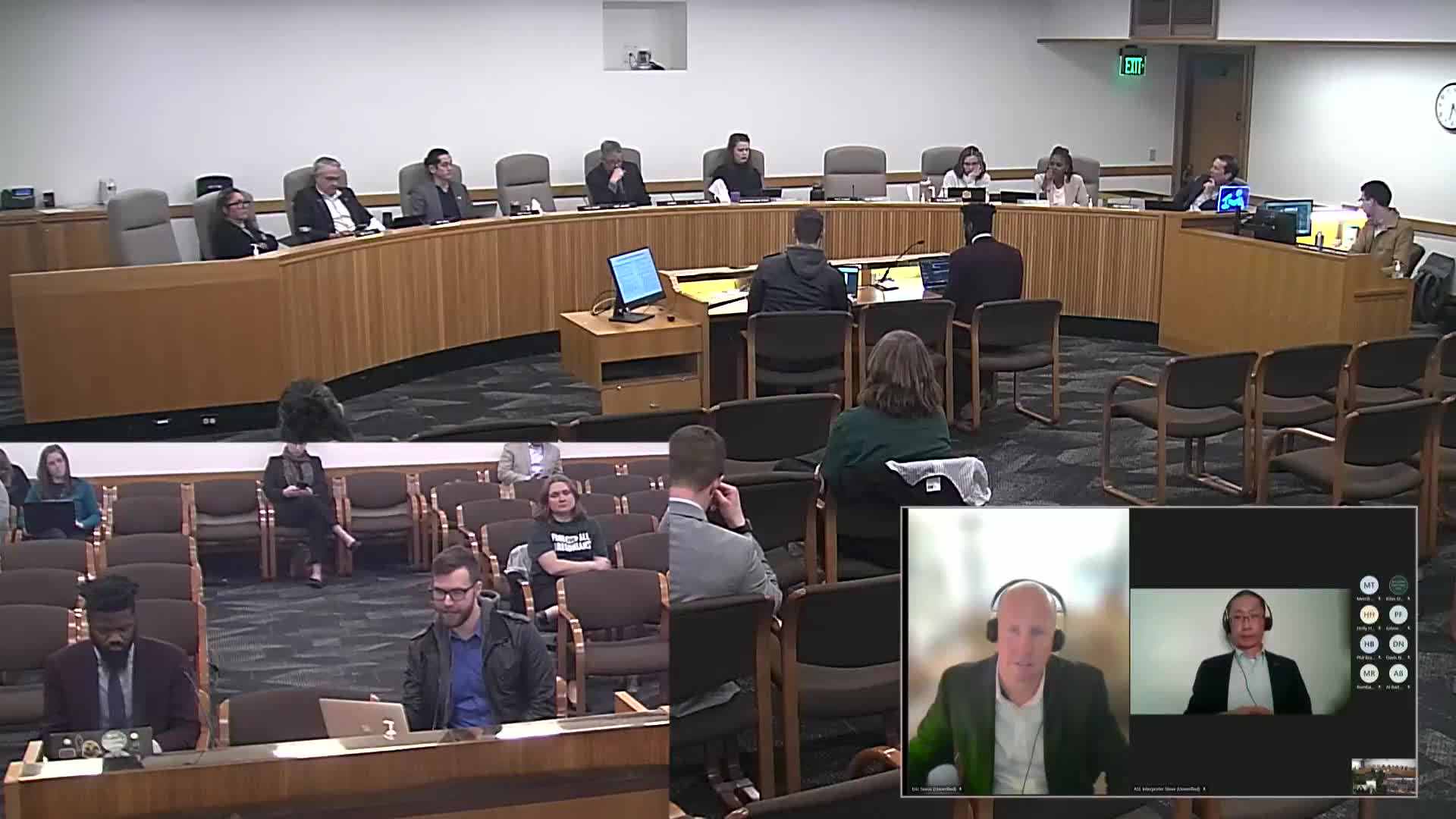
Representative Kim Wallen, sponsor of HB 3824, told the House Committee on Behavioral Health and Health Care that Oregon’s practice act has not been updated since 2005 and that model language used by 46 other states should be adopted to reduce credential confusion and improve patient access.
Why it matters: supporters said aligning state law with modern practice would reduce unnecessary referrals, shorten delays for diagnostics and help rural patients who often travel long distances for specialty care. They described scenarios such as a sole PT in a remote county being the only accessible provider for musculoskeletal and functional care.
Proponents’ testimony
Michael Wong, a PT who uses diagnostic ultrasound in clinical practice, and Gavin McBride, a VA PT with expanded privileges, said PTs in federal systems and many states already order imaging and that evidence shows PTs order imaging less frequently than primary care in some large studies without adverse safety signals. They and other PT witnesses urged the committee to adopt the updated practice act and to protect “DPT” as a title reserved for doctoral‑trained physical therapists.
Jolene Faught described clinical use of dry needling in pelvic rehabilitation and chronic pain: she testified dry needling has reduced medication use for many patients and that entry‑level programs cover most core skills with a smaller set of additional, needle‑specific training.
Concerns from physician group
The Oregon Medical Association told the committee it supported some drafting changes but raised concerns about patient safety, the breadth of scope expansions (for example, wound debridement and vaccinations in standalone settings), and the potential need for clear training/credential requirements. OMA recommended careful review or use of a scope‑of‑practice review process to ensure appropriate safeguards and said the Board of Physical Therapy is engaged in the discussion.
Committee questions and next steps
Committee members asked whether implementing some of the privileges requires new residency or certification, whether boards retain authority to set training requirements, and whether federal practice variants (VA/DOD) should inform state policy. Sponsors said some implementation will occur by rule via the Board of Physical Therapy and that the bill’s language largely reflects national model standards.
Ending: The hearing closed after proponents and a medical‑society representative testified; stakeholders signaled ongoing discussions with the licensing board and legislative offices about rulemaking, training requirements and fiscal impacts.