Get Full Government Meeting Transcripts, Videos, & Alerts Forever!
Get email alerts on the Wildfire Safety Certification topic
No spam. Unsubscribe anytime.
Committee Weighs Wildfire Safety Certification for Electric Utilities; Dash‑1 Amendment Clarifies It Does Not Create Immunity
Summary
The House Judiciary Committee heard testimony March 18 on House Bill 3666 (dash 1), a proposal to create an Oregon Public Utility Commission wildfire safety certification for electric utilities that supporters say would improve auditing and clarity while opponents warn it could prejudice litigation over wildfire damage.
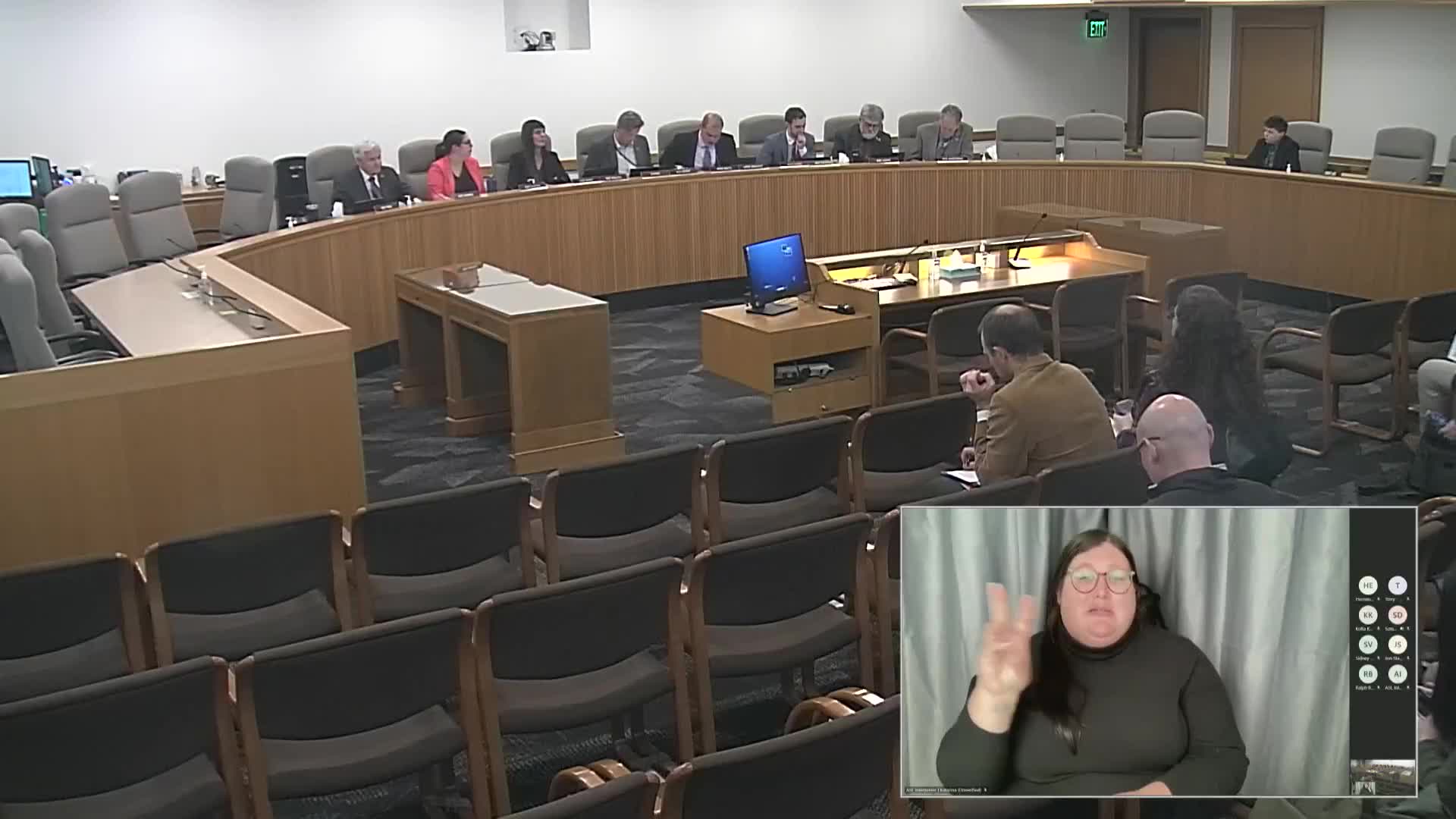
The House Committee on Judiciary conducted an extended March 18 public hearing on House Bill 3666 (dash 1), a measure to create a wildfire safety certification for electric utilities and to set standards and auditing procedures under the Oregon Public Utility Commission (PUC).
Sponsor Rep. Pam Marsh described HB 3666 as a response to escalating wildfire risk and gaps in the existing mitigation process. The bill would require investor‑owned utilities (IOUs) to apply for a safety certification that demonstrates the utility is “prudently and reasonably implementing its wildfire protection plan” and has addressed outstanding deficiencies identified in prior audits; certifications would be valid for 12 months. Consumer‑owned utilities (COUs) may apply but are not required to do so and would be subject to fewer additional PUC requirements. The PUC would be directed to approve or deny an application within 90 days and to adopt rules for audits and reporting. The bill’s dash‑1 amendment clarifies that possession of a certification does not confer legal immunity from claims arising from wildfires.
PUC staff (identified in the hearing as Commissioner Taney) described the agency’s current role and said the commission has an active inspection program but does not currently conduct field verification of every mitigation measure listed in plans. The commissioner said a certification process would add both verification that a utility “did what it said it would do” and assessments of whether those actions actually reduced risk, and would introduce a focus on safety culture from line crews to executives.
Supporters included Portland General Electric (Kristin Sheeran, vice president for public policy and resource planning), which estimated it had spent approximately $200,000,000 on wildfire mitigation since 2020 and said the certificate would “raise and clarify the state’s expectations and enable the PUC to verify that the utility is acting in accordance with its approved wildfire mitigation plan.” The Oregon Rural Electric Cooperative Association (Keith Brooks and Douglas Electric Cooperative) and other community‑owned utilities, Central Lincoln PUD (Eric Chambers), and labor groups (IBEW Local 125, represented by Chris Carpenter) testified in favor. Supporters said a certification would provide clarity for long‑term planning, potentially help with insurance and financing, and create an auditing and continuous‑improvement mechanism.
Opponents included the Oregon Forest Industries Council (Tyler Ernst) and Weyerhaeuser (Betsy Earls), who argued the bill as drafted could create a de facto presumption of reasonableness that would be used in litigation and disadvantage landowners seeking compensation for wildfire losses. Ernst and Earls said they were not part of the informal drafting group, expressed concern that certification could be used as prejudicial evidence in court, and urged further negotiation on language. The Oregon Trial Lawyers Association (Jonathan Manton) said it remained neutral on the dash‑1 amendment but urged stronger PUC capacity for enforcement and emphasized existing statutes and administrative rules that, if enforced, require safe utility operation and reporting.
Other witnesses described operational challenges: Douglas Electric Cooperative said it serves about 11,000 meters across 2,500 square miles and plans $15,000,000 in vegetation work over five years; some PUDs said wildfire mitigation spending now comprises a material share of utility budgets. Several witnesses urged the committee to avoid creating legal immunities while improving oversight and audit capacity.
Committee members questioned sponsors and witnesses about whether the certificate would be viewed as an affirmative defense or create presumption in court; sponsors and the dash‑1 amendment author said the certificate would not create immunity or an affirmative federal defense and is intended to clarify implementation status on the date of issuance.
The hearing drew many stakeholders across utilities, industry, labor, timber and survivors of the 2020 wildfires. No committee vote was recorded at the hearing; the committee closed the public hearing on HB 3666 at the end of testimony.