Get Full Government Meeting Transcripts, Videos, & Alerts Forever!
Get email alerts on the Hospital Oversight Fees topic
No spam. Unsubscribe anytime.
Hospitals oppose proposed licensing‑fee increase as OHA seeks more surveyors and new licensing system
Summary
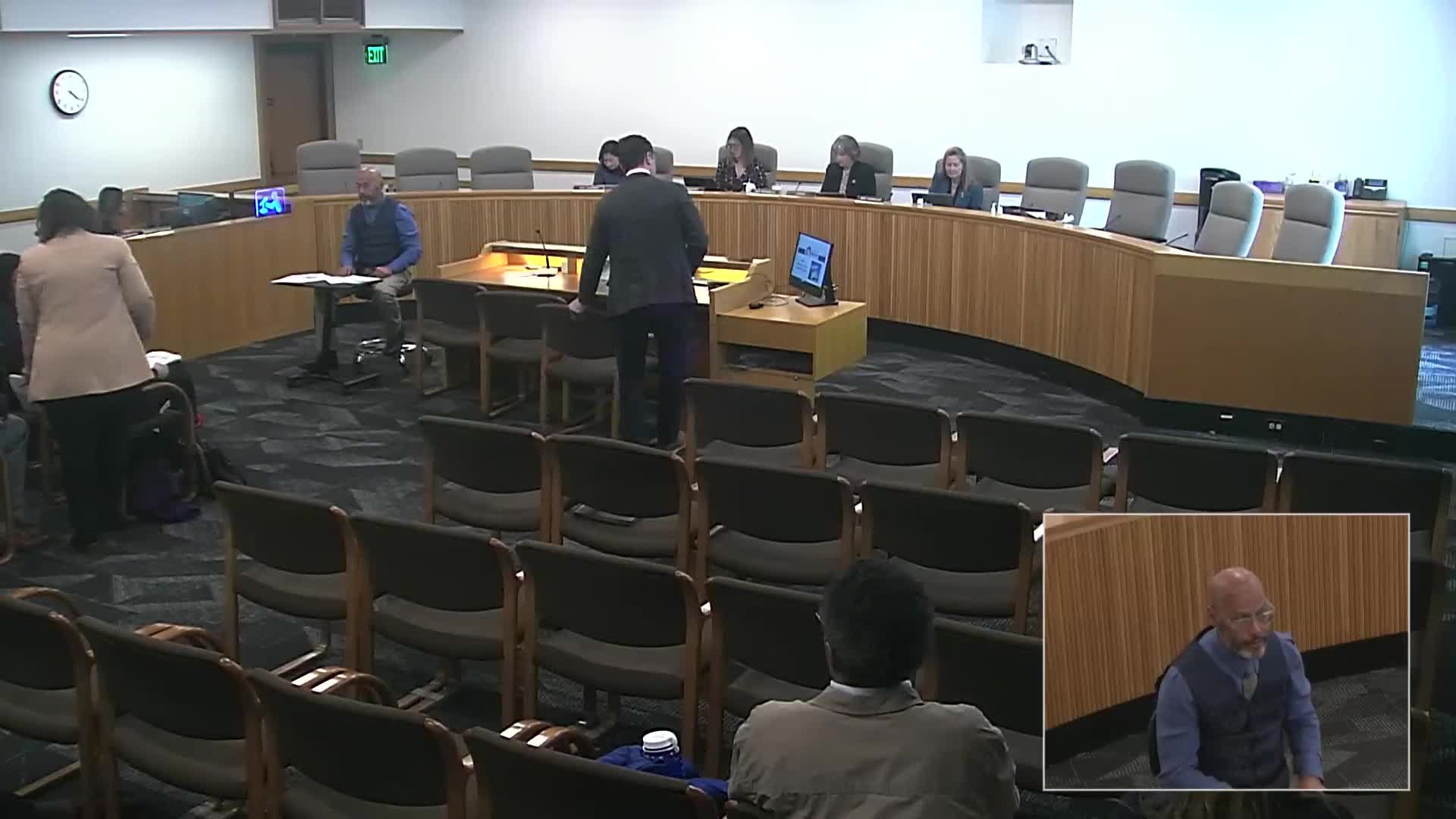
The Senate Health Care Committee heard March 18 on a proposal to raise hospital licensing fees to fund more surveyors and a new licensing portal; OHA argued the fee change responds to rising complaint volume and regulatory duties while hospital representatives opposed the scale and urged process improvements.
Acting Chair Reynolds opened testimony on Senate Bill 842, which would raise hospital licensing fees to support the Oregon Health Authority’s hospital licensing and certification program, hire additional surveyors, and build an online licensing system.
Why it matters: OHA told the committee the program has flat funding since 2009 while complaint volume and regulatory requirements have grown; OHA proposed a fee increase that would substantially raise annual payments to support four additional surveyors, application processing staff and an electronic licensing database. OHA compared proposed fees to higher fees in Washington State for context.
OHA and supporters: Andre Oosa and other OHA officials said the program has seen a large rise in complaints (noting a 140% increase since 2017 and a 367% increase in the highest‑severity complaints since 2021) and that current licensing fees only cover a fraction of the work needed; OHA requested the committee consider the increase to fund timelier investigations and technical assistance.
Hospitals opposed the proposal. Travis Mavison of the Hospital Association of Oregon said the proposed fee increase—about five times current fees for many hospitals—would impose an untenable burden while hospitals face narrow margins and many operate in the red. Saint Charles Health System and individual rural hospitals described repeated, slow, inconsistent OHA review processes that have delayed service openings and equipment replacements; hospital witnesses said adding staff without process improvements and clearer upfront requirements would not fix systemic delays and can increase patient harms (examples included a delayed MRI approval and a dialysis center reopening that required lengthy back‑and‑forth approvals).
Several hospital witnesses urged further discussions with OHA to identify a narrowly targeted solution and timeline for any fee change. No formal action was taken at the hearing; OHA and hospital groups said they would continue to negotiate details.